
Permitting Requirements for Saunas – Navigating Local Laws
More than half of American homeowners encounter major setbacks when building outdoor features due to overlooked local regulations. Urban and suburban communities across the United States rely on permitting requirements to maintain safety, neighborhood harmony, and property values. Knowing exactly what sauna permits demand can help you avoid unexpected obstacles and legal headaches while planning your relaxing retreat.
Table of Contents
- What Permitting Requirements For Saunas Mean
- Types Of Saunas And Permit Differences
- Steps To Secure A Sauna Building Permit
- Local Zoning, Safety, And Environmental Codes
- Common Pitfalls In Sauna Permit Applications
Key Takeaways
| Point | Details |
|---|---|
| Permitting Requirements Are Essential | Understanding sauna permitting is crucial to ensure safety, zoning compliance, and adherence to community standards before starting construction. |
| Types of Saunas Affect Permitting | Different sauna types, such as traditional wood-burning versus portable models, carry varying permitting requirements and regulatory challenges. |
| Documentation Is Key | Proper documentation, including site plans and compliance checks, is vital for successfully securing a building permit for a sauna. |
| Avoid Common Pitfalls | Homeowners should be aware of common mistakes in permit applications, such as documentation errors and misunderstanding zoning restrictions, to prevent costly delays. |
What Permitting Requirements for Saunas Mean
Permitting requirements for saunas represent a critical legal framework that determines how and where homeowners can construct outdoor structures. These regulations serve as guardrails ensuring safety, zoning compliance, and community aesthetic standards. Understanding these requirements is essential before beginning any sauna construction project.
At their core, sauna permitting requirements outline specific guidelines about building size, location, materials, and proximity to property lines. Local municipalities typically categorize saunas as accessory structures, which means they are secondary to the primary residential building. For instance, planning guidelines for log saunas help homeowners navigate the complex landscape of construction regulations.
Most jurisdictions establish clear parameters for sauna construction. Common requirements include:
- Maximum square footage limitations (often around 30 square meters)
- Minimum setback distances from property boundaries
- Restrictions on electrical and plumbing installations
- Compliance with local building codes and energy efficiency standards
- Mandatory site plan submissions demonstrating proposed structure location
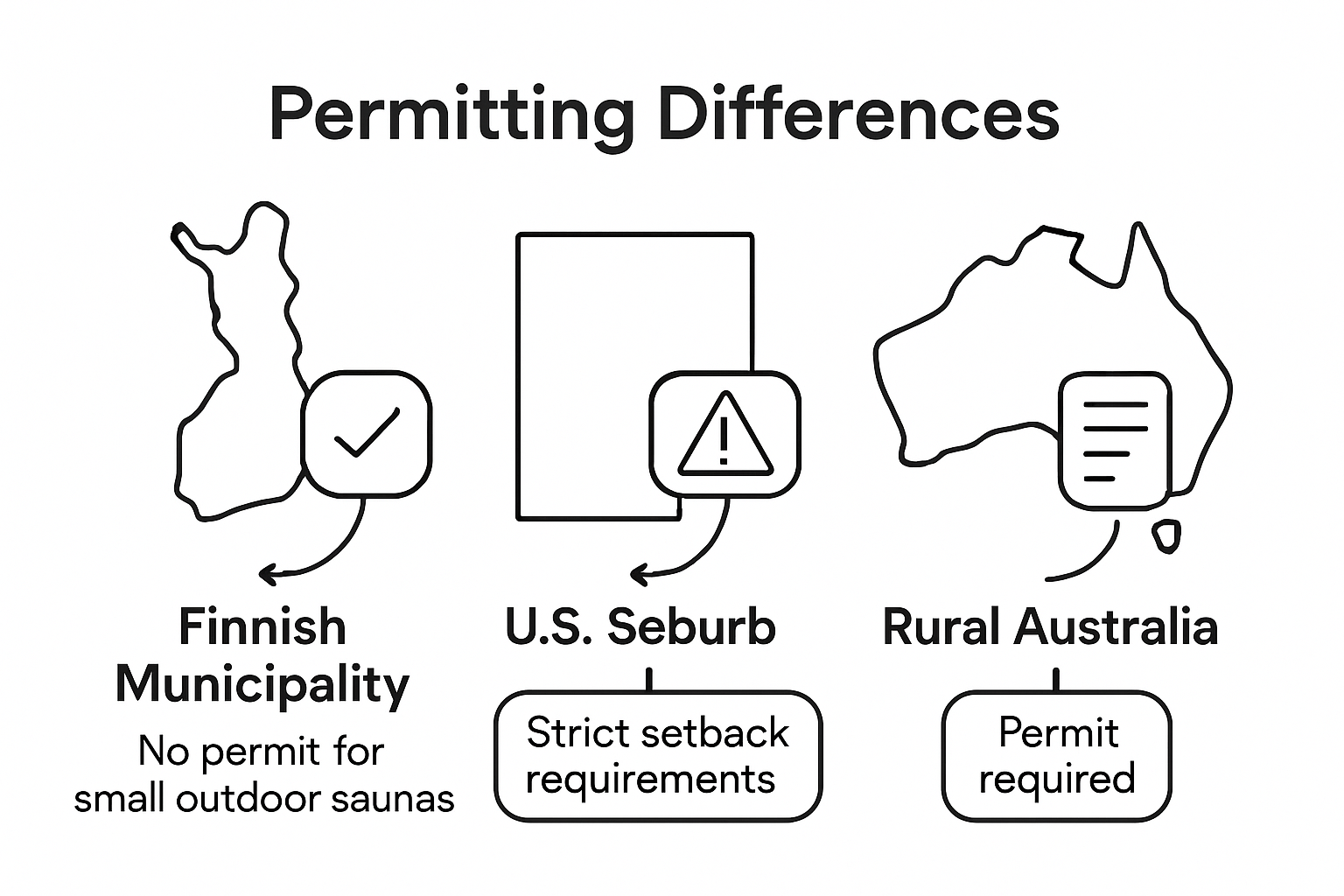
Regulatory approaches can vary significantly between different regions. Some areas, like certain Finnish municipalities, have implemented streamlined processes that exempt smaller outbuildings from extensive permitting. Others maintain strict oversight, requiring comprehensive documentation and professional architectural plans before granting construction approval. Homeowners must research their specific local regulations to ensure full compliance and avoid potential legal complications.
Types of Saunas and Permit Differences
Saunas come in diverse types, and each category presents unique considerations when navigating permitting requirements. Understanding these variations helps homeowners anticipate potential regulatory challenges and plan their construction projects more effectively. Sauna types range from traditional wood-burning designs to modern electric and infrared models, each with distinct structural and installation implications.
Traditional log saunas often require more comprehensive permitting due to their substantial construction and permanent nature. Log sauna construction guidelines highlight the complexity of these structures. Wood-fired saunas typically demand stricter fire safety reviews, including:
- Detailed fireproofing documentation
- Specific chimney and ventilation specifications
- Enhanced structural integrity assessments
- Proof of appropriate materials and construction techniques
In contrast, portable and prefabricated saunas generally encounter more lenient permitting processes. Electric saunas and infrared models, being smaller and less invasive, often qualify as minor accessory structures. These units usually require minimal documentation, typically involving:
- Simple site plan submission
- Electrical connection verification
- Confirmation of setback requirements
- Basic structural compliance checks
Outdoor saunas present unique regulatory challenges compared to indoor installations. Exterior structures must meet additional zoning regulations, including height restrictions, proximity to property lines, and potential neighborhood aesthetic guidelines. Homeowners should consult local building departments to understand specific requirements for their chosen sauna type and intended installation location.
Steps to Secure a Sauna Building Permit
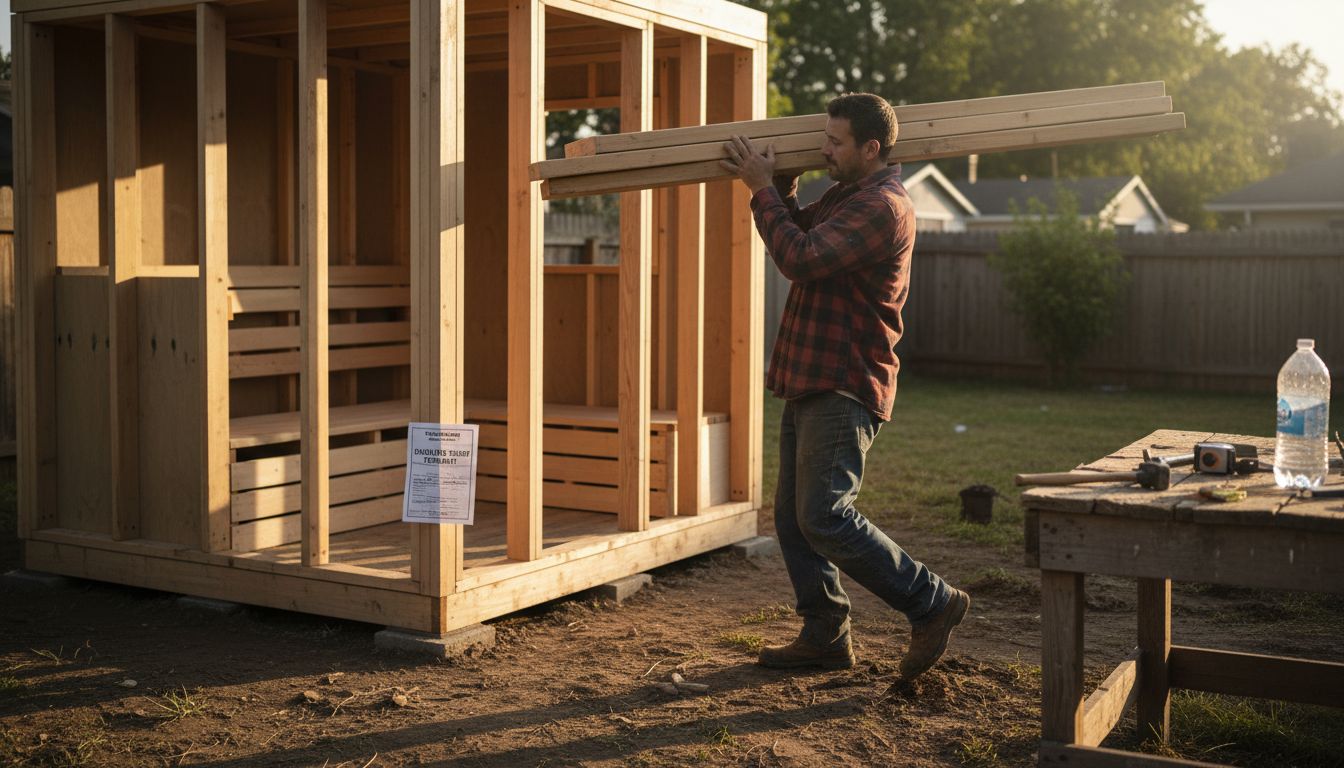
Securing a building permit for a sauna requires careful planning and systematic preparation. Homeowners must navigate a complex process that involves multiple local government departments and detailed documentation. The journey begins with thorough research and comprehensive information gathering about specific local regulations and zoning requirements.
The initial step involves conducting a comprehensive site assessment. This means measuring your property, understanding setback requirements, and determining the precise location for your sauna. Log sauna construction guidelines can provide valuable insights into proper placement and structural considerations. Homeowners should prepare a detailed site plan that includes:
- Exact property measurements
- Proposed sauna location coordinates
- Distance from property lines
- Proximity to existing structures
- Topographical details
Next, you’ll need to compile a comprehensive documentation package. This typically includes:
- Detailed architectural drawings
- Structural engineering specifications
- Materials list
- Electrical and plumbing plans
- Energy efficiency calculations
- Proof of compliance with local building codes
The final stage involves submitting your application to the local building department. This process requires patience and meticulous attention to detail. Expect potential requests for additional information or modifications to your original plan. Some municipalities might require a personal consultation or site inspection before granting final approval. Preparation, thoroughness, and clear communication are key to successfully navigating the sauna building permit process.
Local Zoning, Safety, and Environmental Codes
Local zoning, safety, and environmental codes form a complex regulatory landscape that governs sauna construction. These intricate regulations aim to protect community standards, ensure public safety, and minimize environmental impact. Zoning restrictions can significantly influence where and how homeowners can build their saunas, making comprehensive understanding crucial before beginning any construction project.
Safety regulations represent a critical component of sauna permitting. Log sauna construction guidelines emphasize the importance of adherence to local building codes. Typical safety requirements include:
- Mandatory smoke and carbon monoxide detector installations
- Minimum fire-resistant material specifications
- Proper ventilation and electrical system standards
- Emergency exit and accessibility provisions
- Structural integrity and load-bearing capacity assessments
Environmental considerations play an increasingly important role in sauna construction regulations. Many jurisdictions now implement strict environmental codes that address:
- Waste management and runoff control
- Energy efficiency standards
- Use of sustainable building materials
- Impact on local ecosystems and green spaces
- Restrictions on construction in environmentally sensitive areas
Zoning restrictions can be particularly nuanced, often prohibiting sauna construction in specific land categories. Some areas impose strict limitations on building near water sources, in forest zones, or within designated conservation areas. Homeowners must carefully research local territorial planning documents and consult with municipal authorities to ensure full compliance with all applicable zoning, safety, and environmental regulations.
Common Pitfalls in Sauna Permit Applications
Sauna permit applications are fraught with potential mistakes that can derail even the most carefully planned construction projects. Homeowners often underestimate the complexity of navigating local regulatory requirements, leading to costly delays and potential rejection of their permit requests. Understanding these common pitfalls is crucial for a smooth permitting process.
Documentation errors represent the most frequent challenge in permit applications. Log sauna construction guidelines highlight the importance of comprehensive and accurate submissions. Common documentation mistakes include:
- Incomplete or inaccurate site plans
- Missing structural engineering specifications
- Inadequate electrical and plumbing diagrams
- Failure to demonstrate code compliance
- Incomplete material specifications
Property line and zoning restrictions create another significant challenge for homeowners. Many applicants mistakenly assume their property allows unrestricted construction. Critical zoning-related pitfalls include:
- Overlooking setback requirements
- Ignoring height restrictions
- Failing to account for environmental protection zones
- Misunderstanding local land use regulations
- Neglecting neighborhood aesthetic guidelines
Technical compliance issues can quickly derail permit applications. Municipalities often reject submissions due to insufficient safety provisions, improper material selections, or inadequate structural integrity documentation. Successful applicants invest time in understanding local building codes, consulting with municipal authorities, and preparing meticulously detailed submissions that anticipate potential review board concerns. Patience, thoroughness, and proactive communication are the most effective strategies for navigating the complex sauna permit application process.
Simplify Your Sauna Project with Expert Timber Solutions
Navigating local sauna permitting requirements can be overwhelming with strict zoning laws and detailed safety codes to follow. Whether you plan a traditional wood-burning sauna or a modern electric model understanding these regulations early helps avoid costly delays and permit rejections. At Huvila Seppälä we provide expertly crafted custom log structures designed to meet your unique needs and align with your local building rules. Our 65 years of experience in Finnish timber construction ensure your sauna is not only authentic and durable but also ready for smooth permitting.
Start your sauna project confidently with a trusted partner who understands both craftsmanship and compliance. Explore our range of outdoor saunas and custom timber frames at Huvila Seppälä. Learn more about the prerequisites for starting your project including permits and architectural plans. Get a clear, transparent offer tailored to your requirements today and take the first step toward your perfect sauna with professional support every step of the way.
Frequently Asked Questions
What are the general permitting requirements for saunas?
Permitting requirements for saunas typically include guidelines on building size, location, materials, and proximity to property lines. Homeowners often need to submit site plans, follow local building codes, and meet energy efficiency standards.
How do permitting requirements differ between sauna types?
Different sauna types, such as traditional wood-burning, electric, and infrared saunas, can have varying permitting requirements. Traditional log saunas often require more comprehensive permits due to their construction, while portable or prefabricated saunas usually have a more lenient permitting process.
What steps should I follow to secure a sauna building permit?
To secure a sauna building permit, start with a site assessment, prepare detailed architectural and engineering documentation, and submit your application to the local building department. Ensure you address any specific zoning and safety regulations as part of your submission.
What common mistakes should I avoid when applying for a sauna permit?
Common mistakes in sauna permit applications include incomplete site plans, overlooking setback requirements, and insufficient safety provisions. Ensure thorough documentation and compliance with zoning regulations to avoid delays or rejections.
Recommended
- Hirsisaunan rakentaminen itse – vaihe vaiheelta onnistuneesti – Huvila Seppälä
- Hirsisaunan Suunnitteluperusteet: Kaikki oleellinen tieto – Huvila Seppälä
- Hirsisaunan rakentaminen vaihe vaiheelta – onnistunut lopputulos – Huvila Seppälä
- Mökki-rakennuslupien hankintaohje: Helppo vaiheittainen opas – Huvila Seppälä