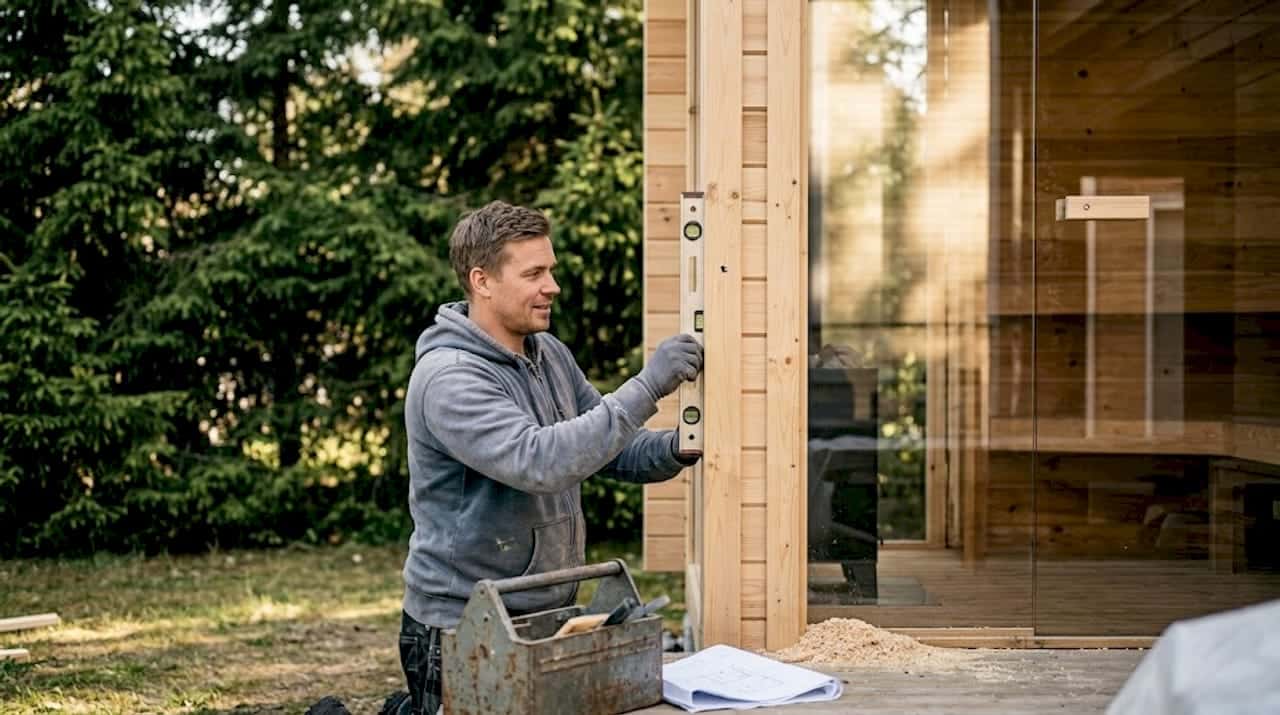
Log Sauna Trends: Modern Design and Eco Materials for 2026
TL;DR:
- Modern log saunas combine Scandinavian design, eco-friendly materials, and energy efficiency for lifestyle upgrades.
- Tracking size, ventilation, and permits ensures a safe, functional, and cost-effective sauna project.
- Eco-conscious choices like responsibly sourced timber and hemp insulation are key trends in 2026.
If you picture a log sauna as a dark, smoky cabin tucked in the woods, 2026 is about to change your mind. Today’s custom log saunas combine clean Scandinavian architecture, responsibly sourced timber, and energy-smart construction into something that feels less like a throwback and more like a lifestyle upgrade. Homeowners across Finland and Scandinavia are investing in saunas that reflect their values, from carbon-conscious material choices to sleek glass panels that frame forest views. This guide walks you through everything shaping the log sauna world right now, so you can build smarter, spend wisely, and enjoy it for decades.
Table of Contents
- Why log saunas are surging in popularity in 2026
- Cutting-edge design trends for custom log saunas
- Eco-friendly building materials revolutionizing log saunas
- Advanced construction and compliance for safety and comfort
- Our perspective: What most guides miss about building your 2026 log sauna
- Ready to build your future-proof log sauna?
- Frequently asked questions
Key Takeaways
| Point | Details |
|---|---|
| Sleek, modern designs | Contemporary log saunas now feature minimalist styling, glass accents, and high-end customization. |
| Eco-friendly materials lead | Hemp insulation and responsibly sourced timber are mainstream for comfort and sustainability. |
| Efficient, safe builds | Success relies on ventilation, professional permitting, and following modern workflow guidelines. |
| Strong market growth | Demand for home and luxury log saunas in Finland drives robust market expansion into 2026. |
Why log saunas are surging in popularity in 2026
Saunas are not a trend in Finland. They are infrastructure. There are over 3 million saunas in Finland alone, roughly one for every two people, and the European sauna market holds approximately 38% of the global share. Growth is not slowing down either. The sector is expanding at a 5 to 6% compound annual growth rate, driven by wellness tourism and a sharp rise in home installations across Scandinavia.
What changed recently is why people are building. Post-pandemic priorities pushed at-home wellness to the top of renovation lists. A private log sauna is no longer a luxury reserved for lakeside summer cottages. Urban homeowners in Helsinki and Stockholm are fitting custom outdoor saunas into compact garden plots, and rural homeowners are upgrading aging structures with modern builds that perform far better.
Key reasons demand is climbing in 2026:
- Rising awareness of heat therapy benefits for sleep, stress, and cardiovascular health
- Growing preference for experiences over material goods, making a home sauna a long-term investment
- Availability of eco-certified Finnish timber and new insulation technologies
- Faster permitting processes in some municipalities, reducing build timelines
- Strong resale value: a well-built outdoor sauna adds measurable property appeal
When it comes to cost, most homeowners investing in custom log sauna planning find that starting with a clear budget prevents the most common overruns. Entry-level custom builds start around €5,000 while fully featured, larger saunas with premium materials and smart heating systems can reach well beyond €20,000.
| Project type | Typical cost range | Build timeline |
|---|---|---|
| Basic outdoor log sauna | €5,000 to €9,000 | 4 to 8 weeks |
| Mid-range custom sauna | €9,000 to €15,000 | 8 to 14 weeks |
| Premium design sauna | €15,000 to €30,000+ | 12 to 20 weeks |
The cultural weight of sauna in Finnish life means the decision to build is rarely impulsive. Families think carefully about size, placement, and how the sauna will function across seasons. That mindset naturally leads to better project outcomes.
With the context set, let’s explore how modern designs are reshaping the classic log sauna.
Cutting-edge design trends for custom log saunas
The visual language of log saunas has shifted significantly. Where traditional builds leaned on heavy, rounded logs and minimal windows, today’s most sought-after designs use tight-fitting square logs, floor-to-ceiling glass panels, and refined interior finishes that feel at home next to a contemporary villa. The sauna is no longer hidden. It is a design statement.
For context on costs: an average Finnish sauna build uses 1 to 2 cubic meters of spruce and runs between €5,000 and €15,000. That budget range gives you serious flexibility when you prioritize the right elements.
Top 2026 design features homeowners are requesting:
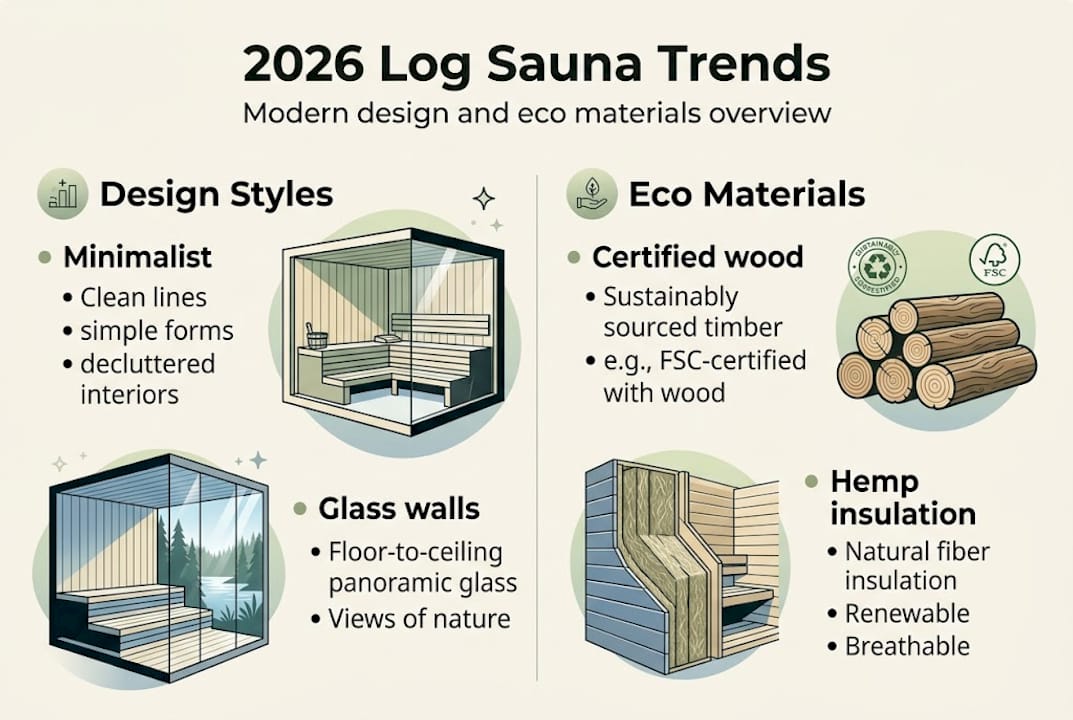
- Glass end walls or panoramic windows to bring in light and natural views
- Integrated LED lighting with adjustable color temperature for different sauna moods
- Dual-purpose layouts that combine a sauna room with a small relaxation lounge or changing area
- Flat or low-pitch rooflines that blend with modern garden architecture
- Dark exterior cladding using thermally modified wood for weather resistance and a sleek look
Size matters more than most people expect. A sauna that fits two people comfortably requires roughly 4 to 6 square meters of interior space. Urban lots often push homeowners toward compact, beautifully detailed builds rather than sprawling ones. Clever bench configurations and multi-level seating help maximize smaller footprints without sacrificing the experience.
Pro Tip: Before finalizing dimensions, spend time considering how many people will use the sauna regularly. Oversizing adds cost and heating time. Undersizing ruins the experience. A 6 to 8 square meter interior is the sweet spot for most Finnish families.
| Design style | Key feature | Best suited for |
|---|---|---|
| Modern minimalist | Glass wall, dark cladding | Contemporary garden setting |
| Traditional Finnish | Rounded logs, small window | Rural or lakeside property |
| Hybrid Scandinavian | Mixed materials, open porch | Urban lot or villa garden |
For deeper guidance on layout options, the Finnish outdoor sauna design approach at Huvila Seppälä covers how to tailor dimensions and features to your plot. And if you prefer a hands-on process, following structured outdoor sauna building steps can help you understand exactly what each phase demands before you commit.
With style and structure in mind, let’s look at how eco-friendly materials are redefining the log sauna experience.
Eco-friendly building materials revolutionizing log saunas
Sustainability is no longer a selling point. It is an expectation. In 2026, Finnish homeowners increasingly choose building materials based on environmental impact, indoor air quality, and long-term performance, not just upfront cost.
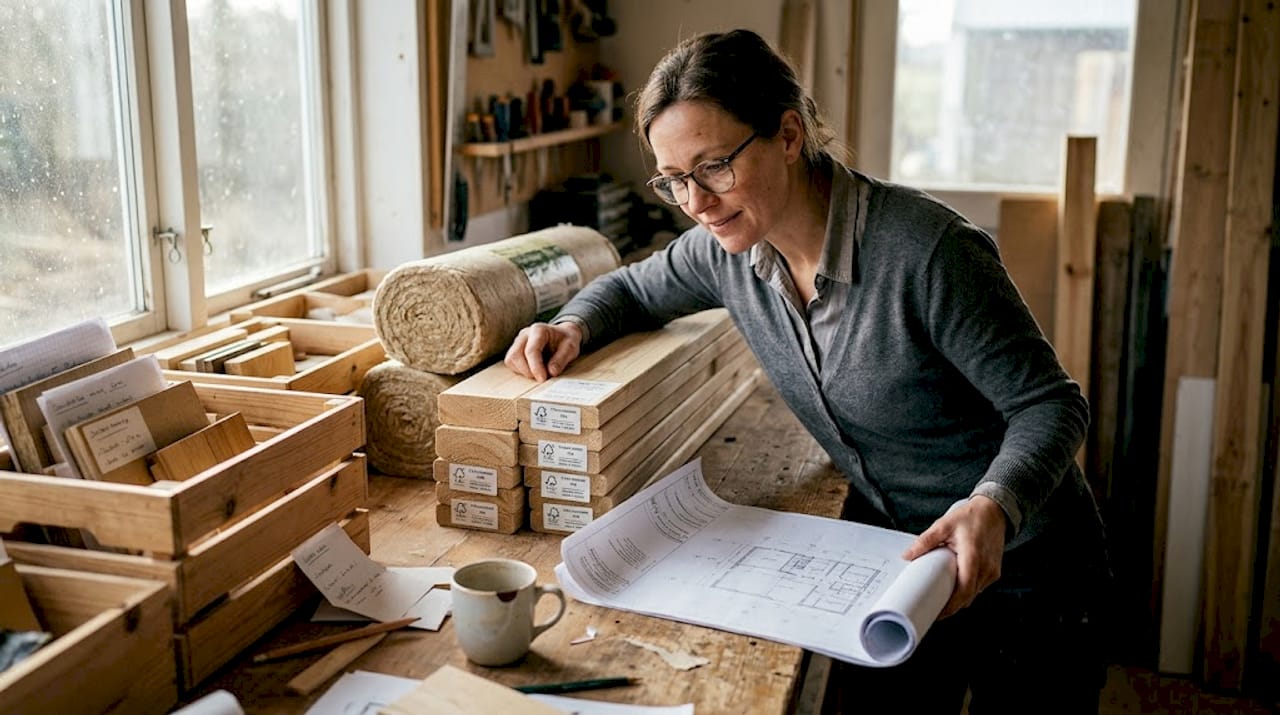
Finnish spruce and pine remain the most popular timber choices, and for good reason. When sourced from responsibly managed forests with PEFC or FSC certification, these woods have an exceptionally low carbon footprint. They are also naturally resistant to humidity fluctuations inside a sauna, which reduces the risk of warping or cracking over time.
Most recommended eco-friendly materials for 2026 log saunas:
- Certified Finnish spruce or pine logs: low embodied carbon, high thermal mass
- Hemp fiber insulation: renewable, moisture-regulating, and mold-resistant
- Zero-VOC interior finishes: protect the wood without releasing harmful compounds in heat
- Thermally modified wood for exteriors: no chemical treatment needed, dramatically extends lifespan
- Recycled mineral wool as a secondary insulation option where hemp is unavailable
Hemp insulation is the material getting the most attention right now, and the reason is concrete. Hemp insulation cuts energy use by approximately 30% compared to conventional options. In a sauna context, that means faster heat-up times, more stable temperatures during use, and noticeably lower electricity bills across a full heating season.
“Using natural, zero-VOC finishes inside a sauna is not just about environmental values. It directly affects the air you breathe at 80 to 90 degrees Celsius. The quality of that air matters more in a sauna than almost anywhere else in your home.”
Interior air quality is one of the most overlooked factors in sauna design. Conventional paints, adhesives, and synthetic finishes off-gas more aggressively at high temperatures. Natural oils like linseed or pure tung oil protect timber beautifully and release nothing harmful in the heat. For deeper reading on how insulation choices affect your build, the log sauna insulation guide covers every layer from vapor barrier to finish.
Pro Tip: When reviewing material quotes, ask your supplier specifically for PEFC or FSC chain-of-custody documentation on all timber. Responsible sourcing claims without documentation are not worth much.
Eco-materials are great, but a high-performance sauna relies on smart construction and compliance. Let’s see how that’s evolving.
Advanced construction and compliance for safety and comfort
Building a great sauna requires more than beautiful materials. The mechanical and regulatory side determines whether your sauna is actually safe, comfortable, and legal to operate long-term.
Ventilation is the most commonly underestimated element. Proper sauna ventilation requires 10 to 20 air changes per hour to maintain fresh air and consistent temperatures. Electric heaters rated at 6 to 9 kW consume approximately 4.5 kWh per session. For a 10 cubic meter room, a stove rated between 9 and 12 kW provides the most stable and responsive heat. Getting these numbers wrong leads to uneven heat, condensation problems, and accelerated wood degradation.
Step-by-step permitting process in Finland:
- Check local zoning regulations before any design work begins
- Submit a building permit application if your sauna exceeds a certain floor area (this threshold varies by municipality)
- Obtain separate electrical permits for heater installation
- If adding a wood-burning stove, a chimney inspector must certify the installation
- Schedule a final inspection before first use
The sauna building codes in Finland are detailed, and shortcuts here create real liability. Electrical and chimney work must be handled by licensed professionals. This is not optional, and attempting DIY electrical connections in a high-humidity environment is both dangerous and illegal.
Pro Tip: Review the sauna permitting laws in your municipality before finalizing your design. Plot boundaries, setbacks, and height restrictions vary significantly and can force redesigns that cost more than the permit fees themselves.
A well-organized build follows a clear sequence. The log sauna building checklist at Huvila Seppälä walks through each phase so nothing critical gets missed. And for a full technical overview, the Finnish sauna setup guide explains exactly when permits come first and why licensed tradespeople are essential for electrical and chimney systems.
Now that you have a technical overview, let’s bring together a big-picture perspective on what truly drives successful sauna projects in 2026.
Our perspective: What most guides miss about building your 2026 log sauna
After more than 65 years of manufacturing log structures, we have seen the same avoidable mistakes repeat across generations. The projects that disappoint almost always trace back to one of three decisions made too early or too casually: choosing the wrong size, skipping proper ventilation planning, or assuming permits can be sorted out after construction starts.
Here is what guides rarely tell you. The most satisfied sauna owners are not the ones who built the biggest or the most visually dramatic structure. They are the ones who matched every detail to their actual lifestyle. A compact, perfectly ventilated, responsibly built sauna that heats up in 30 minutes and requires minimal maintenance will bring more daily joy than an oversized showpiece that costs a fortune to run.
Following proven step-by-step sauna builds processes is not a sign of inexperience. It is the mark of someone serious about getting the result right. The best 2026 log sauna is the one that still performs flawlessly in 2046.
Ready to build your future-proof log sauna?
If this guide has helped you think more clearly about your own sauna project, the next step is connecting with people who can turn that clarity into a real structure built to your specifications.
At Huvila Seppälä, we manufacture custom log saunas and timber structures from Finnish wood, tailored to your drawings and requirements, with transparent pricing and no hidden costs. Whether you are exploring custom wooden villa options alongside your sauna, reviewing sauna cabin comparisons to find the right structural style, or ready to walk through custom timber cottage steps for a larger project, we are ready to help. Reach out for a personalized quote and let’s build something built to last.
Frequently asked questions
What are the most important log sauna trends for 2026?
The top trends are modern minimalist designs with glass features, eco-friendly materials such as hemp insulation, and energy-efficient construction that lowers running costs. Hemp insulation alone cuts energy use by approximately 30%.
How much does a custom log sauna cost in Finland in 2026?
A typical custom log sauna costs between €5,000 and €15,000 depending on size, timber choice, and custom features, with premium builds going significantly higher.
Which eco-materials are recommended for log saunas?
Top choices include PEFC or FSC-certified Finnish spruce or pine and hemp fiber insulation, which reduces energy consumption by roughly 30% versus conventional insulation options.
Do I need permits to build a log sauna in Finland?
Yes, zoning and electrical permits are required before construction begins, and licensed professionals must handle electrical and chimney installations to meet Finnish safety codes.
Recommended
- Outdoor sauna design: 5 keys to authentic Finnish quality – Hirsitalot, pihasaunat ja piharakennukset kotimaisesta hirrestä
- Log Sauna Explained: Finnish Craftsmanship for Wellness – Hirsitalot, pihasaunat ja piharakennukset kotimaisesta hirrestä
- Build your Finnish outdoor sauna step by step in 2026 – Hirsitalot, pihasaunat ja piharakennukset kotimaisesta hirrestä
- What Is Custom Sauna Design? 25% Energy Efficiency Boost – Hirsitalot, pihasaunat ja piharakennukset kotimaisesta hirrestä