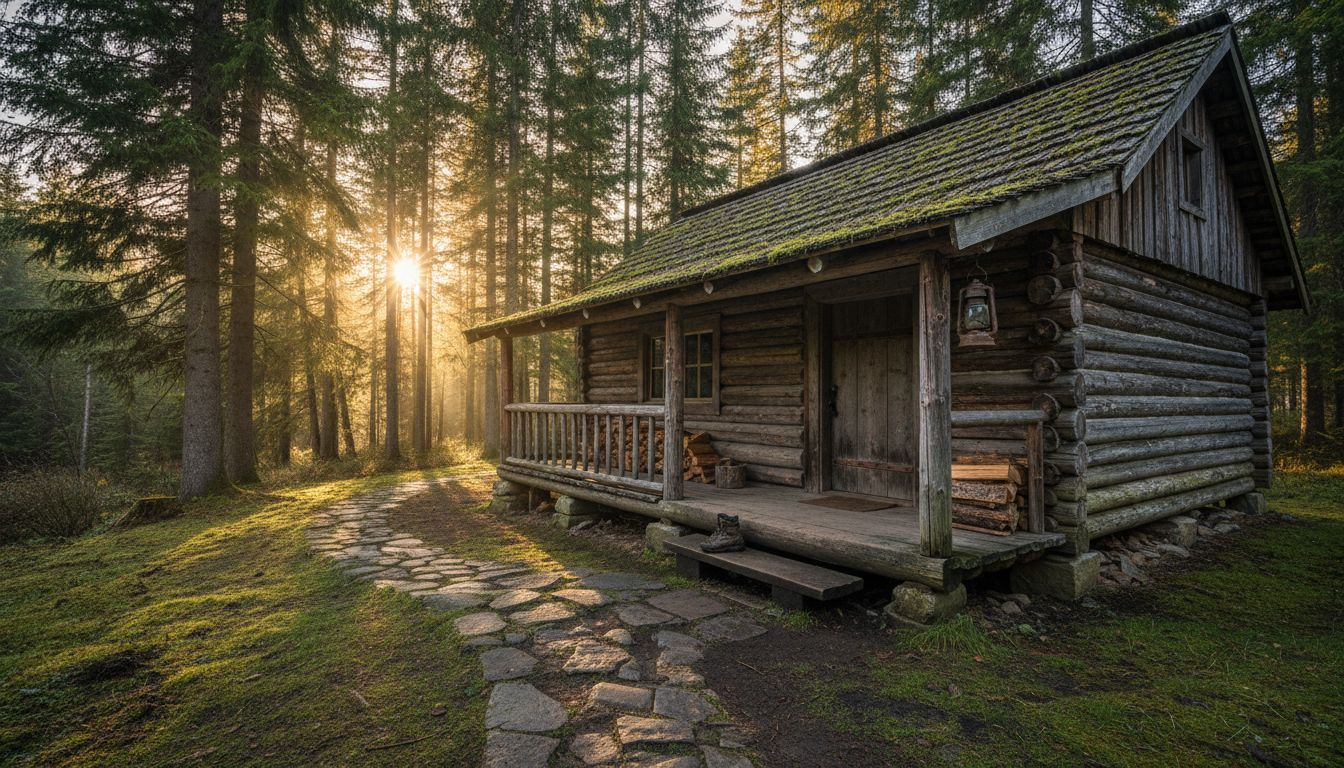
Types of Log Cabins: Choosing the Right Fit
Choosing the right log cabin for your Central European home goes far beyond rustic charm. Many people still believe that these traditional structures are only suitable for mild climates or quick weekend escapes, but centuries of use in Nordic and Finnish traditions prove otherwise. When you understand the differences between authentic log cabin construction styles, you can select a design that matches your lifestyle, withstands tough winters, and offers lasting value.
Table of Contents
- Defining Log Cabins And Common Myths
- Major Styles Of Log Cabin Construction
- Comparing Building Methods And Materials
- Custom Features For Modern Log Cabins
- Cost Factors And Design Mistakes To Avoid
Key Takeaways
| Point | Details |
|---|---|
| Log Cabins are Durable and Versatile | Properly constructed log cabins are strong, weather-resistant, and suitable for harsh climates, making them valuable long-term investments. |
| Understand Construction Styles | Different log cabin styles offer distinct advantages; squared logs generally provide better insulation and durability compared to round logs. |
| Select Quality Materials | Choosing appropriate wood species and ensuring proper treatment during installation are crucial for the longevity and performance of your log cabin. |
| Prioritize Detailed Planning | Careful planning in design, moisture management, and budgeting can significantly reduce future maintenance costs and enhance overall satisfaction with your log cabin. |
Defining Log Cabins and Common Myths
A log cabin is fundamentally a small dwelling constructed by stacking horizontal logs and sealing the gaps between them with materials like moss, creating a structure that is both remarkably strong and weather-tight. The roots of this building method run deeper than most people realize. The tradition originated with Scandinavian and Northern Russian builders during the Bronze Age, around 3,500 BC, and the construction technique spread to North America when Swedish and Finnish immigrants brought their knowledge across the Atlantic in the 17th century. What started as a practical solution for rapid construction using simple hand tools and interlocking corner joints has evolved into a respected building approach that combines cultural heritage with modern engineering.
Here’s where reality diverges from common misconceptions. Many people believe log cabins are flimsy structures suited only for temporary use or recreational purposes, or that they cannot withstand harsh climates. Nothing could be further from the truth. The horizontal stacking method, when properly executed, creates exceptional structural integrity and thermal mass that actually performs extremely well in challenging weather conditions. Central European climates, particularly the cold winters and variable seasons common to the region, are actually ideal conditions for log construction. The material’s natural insulation properties and ability to regulate humidity make these structures durable across decades of seasonal cycles. Another widespread myth suggests that log cabins require constant maintenance or are prone to rot and pest damage. Modern construction standards, combined with proper treatment of the wood and appropriate design details like overhanging roofs and adequate foundation ventilation, virtually eliminate these concerns. The truth is that Finnish log structures, built with quality timber and correct specifications, have demonstrated durability lasting generations.
The confusion around log cabins often stems from mixing different building types together. Not every rustic wooden structure is a true log cabin. Some people use the term loosely to describe any timber-frame house or even conventional homes with log siding applied over a frame structure. A genuine log cabin utilizes full logs as the primary structural element, not merely as aesthetic cladding. Understanding how the building process transforms raw timber into finished structures helps clarify what distinguishes authentic log construction from alternatives. This distinction matters significantly when you’re evaluating durability, performance, and long-term value. The quality of the logs themselves, the precision of the joinery, and the attention to detail during assembly all directly influence how well a cabin will serve you over time.
What makes modern log cabins particularly appealing to Central European homeowners is their versatility combined with proven performance. Whether you envision a primary residence, a weekend retreat, or an outdoor sauna structure, the underlying principles remain consistent. Log cabins adapt to your lifestyle while maintaining the authentic character and environmental benefits that draw people to this construction method in the first place. The building tradition carries real substance, not just aesthetic charm.
Pro tip: When evaluating a log cabin, ask specifically about timber species, wood moisture content at installation, and joinery techniques rather than relying solely on visual appearance, as these factors determine whether you’re getting a structure built to last or one that will disappoint you in five years.
Major Styles of Log Cabin Construction
Log cabin construction has developed distinct regional styles over centuries, each reflecting the climate, available resources, and building traditions of its origin. The evolution from crude round log structures with simple roof openings to sophisticated squared logs with interlocking double notch joints represents significant refinement in engineering and craftsmanship. Understanding these different approaches helps you recognize what works best for Central European conditions and your specific needs. The primary distinction lies in how logs are shaped and joined at the corners, which directly impacts structural performance, appearance, and long-term durability.
Round Log Construction
The most traditional approach uses round logs stacked horizontally with the bark retained or removed. These structures feature overlapping logs at the corners, creating natural strength and excellent weather protection. Round logs offer authentic visual character and work particularly well in contexts where you want that classic cabin aesthetic. However, they require more frequent maintenance and can be less precise during assembly. The gaps between round logs vary more than with other methods, meaning chinking materials need careful attention over time.
Round log cabins perform adequately in Nordic climates but have limitations. The rounded surface means settling can be less predictable, and thermal bridging occurs more readily where logs meet. For Central European winters, you’ll need additional insulation strategies that more refined construction methods handle inherently.
Squared Log Construction
Squared logs represent a significant step forward in precision and performance. These logs are milled to uniform rectangular profiles, allowing them to stack flat and create tighter joints with minimal gaps. The flat surfaces mean less chinking material is needed, and the structure settles more uniformly and predictably. Squared log cabins provide superior thermal efficiency because the tight stacking reduces air infiltration dramatically.
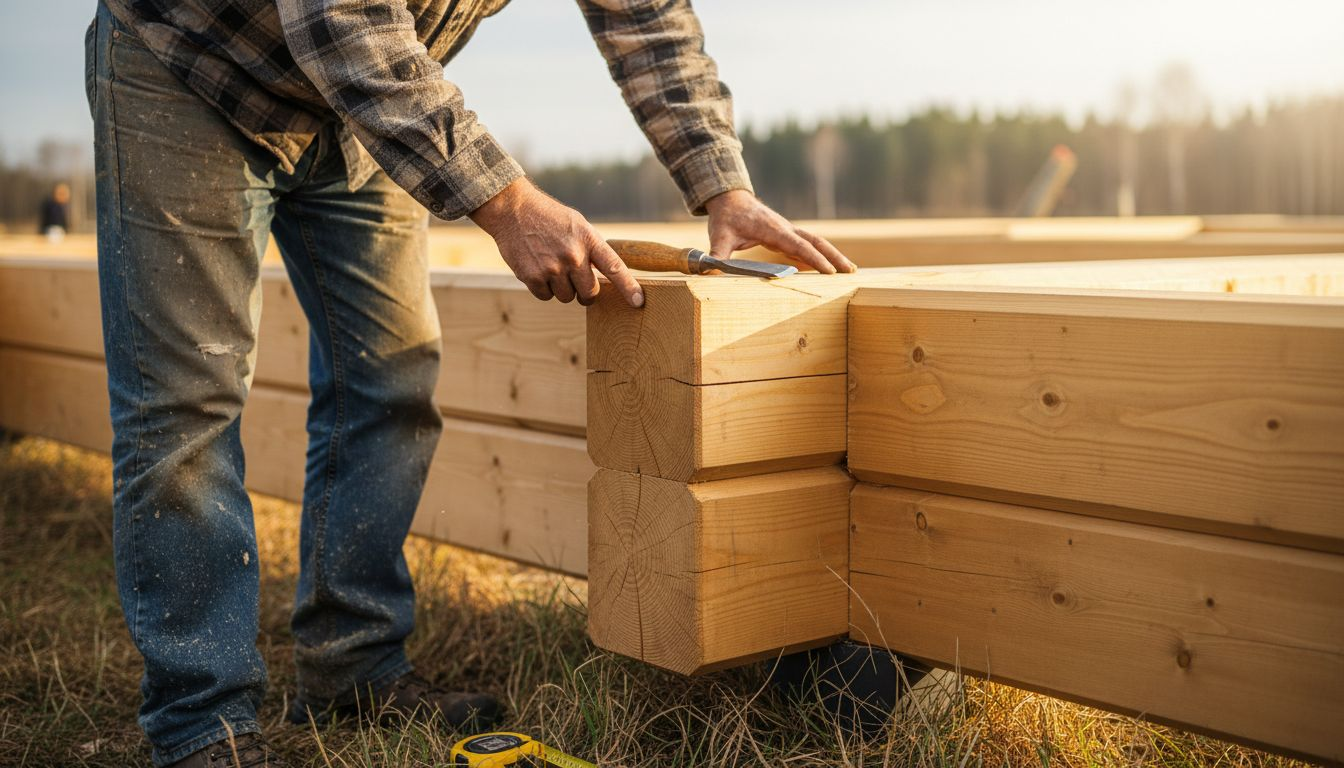
The squared approach accommodates interlocking double notch joints at corners, which lock logs together both horizontally and vertically. This engineering detail creates exceptional structural rigidity and makes the entire frame incredibly stable. You get cleaner interior and exterior lines, more usable interior space since walls take up less thickness, and a more contemporary appearance that still respects traditional building methods. For Central European homeowners who want performance combined with refined aesthetics, squared logs deliver both.
Timber Frame with Log Infill
A third approach combines traditional timber framing with log infill. Heavy timber posts and beams form the primary structure, while logs or log panels fill the spaces between. This hybrid method offers flexibility in layout and design while maintaining log cabin character. It works particularly well when you need open floor plans or large windows that would be impractical with solid log walls.
This style became common across Northern Europe where builders wanted to maximize interior flexibility without sacrificing the durability and appearance of log construction. The exposed timber framework can be visually striking, and the infill logs often run vertically rather than horizontally. Performance depends heavily on how carefully the transition between framework and infill is sealed and insulated.
Comparing Performance Across Styles
When selecting among these approaches, consider your climate zone and usage patterns. For regions with extreme temperature swings and heavy snowfall, squared logs with precise joinery outperform other options because they maintain consistent thermal performance and structural integrity. Round logs require more maintenance but offer authentic character if you’re willing to invest in upkeep. The hybrid timber frame approach suits situations where architectural flexibility matters more than minimalist structure.
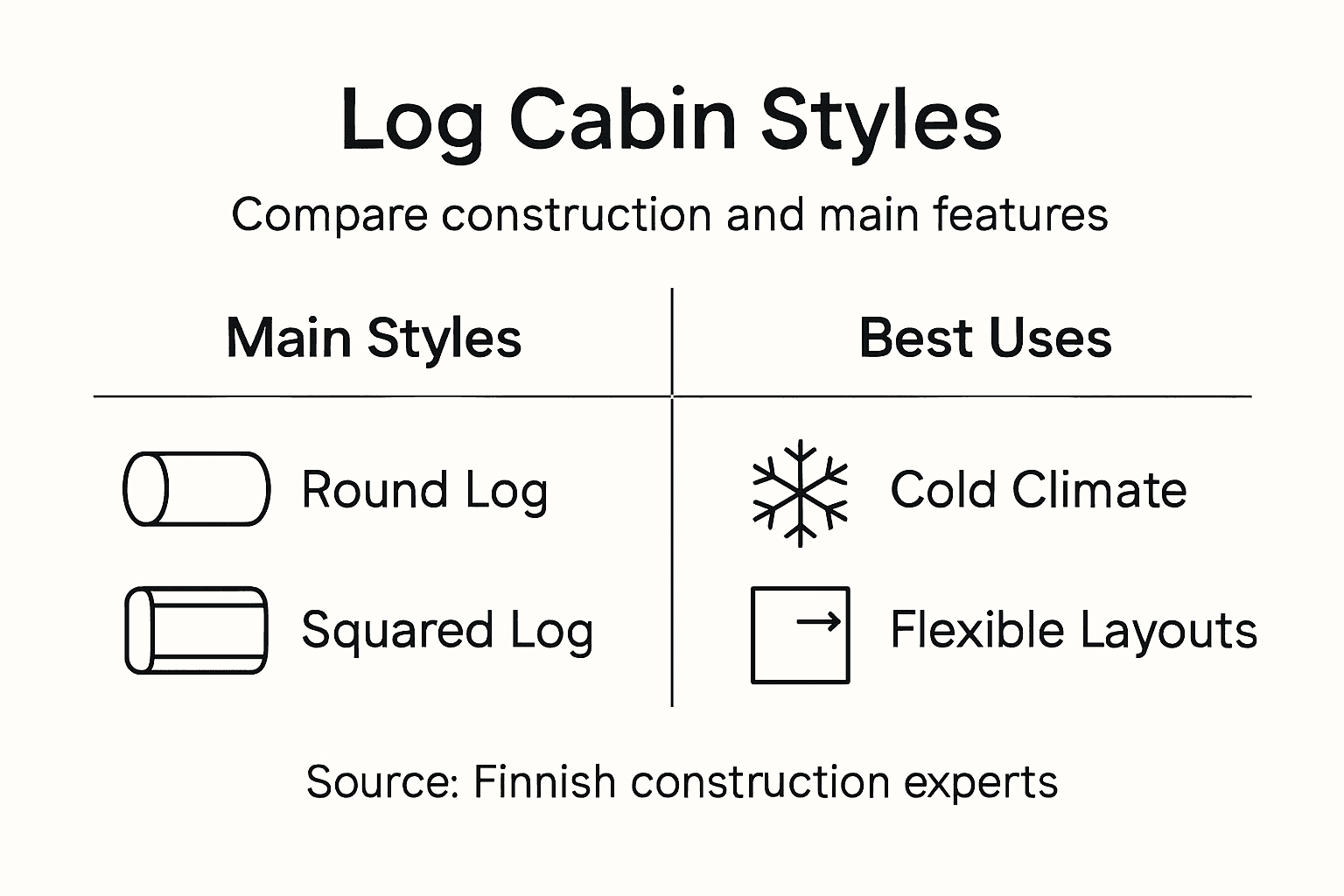
Here’s a side-by-side comparison of log cabin construction styles and their ideal use cases:
| Construction Style | Best Suited For | Key Strengths | Typical Challenges |
|---|---|---|---|
| Round Log | Classic retreats, rustic cabins | Traditional charm, strong corners | Uneven settling, more maintenance |
| Squared Log | Primary homes, harsh climates | Superior insulation, predictable settling | Higher precision needed |
| Timber Frame w/ Log Infill | Modern designs, flexible layouts | Open spaces, design versatility | Complex sealing, insulation |
Understanding why log construction works exceptionally well in Finnish climate conditions clarifies how these different styles adapt to your regional weather patterns. Each construction method responds to moisture, temperature change, and seasonal stress differently. The wrong choice creates problems that compound over years; the right choice becomes more reliable with age.
Regional Variations Worth Knowing
Nordic and Eastern European regions developed slightly different approaches based on local timber available and building traditions. Finnish builders traditionally favored squared logs with precise joinery because of the region’s severe winters and long construction season demands. Swedish and Norwegian variations include distinctive corner details that reflect their specific preferences. These regional styles carry proven performance records spanning generations, which matters when you’re investing in a structure meant to last decades.
Pro tip: Ask your builder specifically about corner joinery details and log moisture content specifications rather than just the overall construction style, as these technical factors determine whether you get a cabin that performs like a fortress or one that develops settling problems and air leaks within a few years.
Comparing Building Methods and Materials
The journey from raw timber to finished log cabin involves critical decisions about both how logs are prepared and which wood species you select. These choices ripple through every aspect of your finished structure—from how it looks and feels to how it performs during harsh winters and how long it will reliably serve you. Log cabins are built through a preparation process that includes debarking and profiling to create different exterior and interior appearances, such as round or beveled logs. The method you choose affects not only aesthetics but also thermal performance, durability, and maintenance requirements. Understanding these options prevents costly mistakes and ensures your cabin matches both your vision and your practical needs.
Wood Species Selection and Performance
The wood species you select fundamentally shapes your cabin’s characteristics. Finnish pine and spruce dominate log cabin construction across Northern Europe because they offer exceptional strength relative to weight, excellent workability, and proven durability in cold climates. Finnish timber specifically provides superior dimensional stability compared to many alternatives, meaning your logs will settle and shift more predictably over time. This stability matters enormously in a structure built to last generations.
Other wood species appear in log construction but come with trade-offs. Larch offers outstanding rot resistance and durability but is harder to work with and more expensive. Birch is beautiful but less ideal for exterior log work due to moisture sensitivity. When Finnish experts emphasize the environmental benefits and durability of log construction, they’re partly recognizing that local species evolved to perform in local conditions. Your Central European climate already matches where these timbers naturally thrive.
The key consideration isn’t just the species but how it’s been treated before delivery. Logs milled to consistent profiles while still slightly green settle more uniformly than wood dried to lower moisture content before profiling. Your builder should specify exact moisture content at installation, typically between 12 and 20 percent depending on your climate zone. This technical detail often gets overlooked but determines whether your cabin settles smoothly or develops gaps and cracks.
Compare how major wood species impact log cabin performance:
| Wood Species | Strength and Durability | Workability | Climate Suitability |
|---|---|---|---|
| Finnish Pine | Excellent, lasts generations | Easy to shape | Cold/variable climates |
| Finnish Spruce | High, stable over decades | Easy to work with | Ideal for northern Europe |
| Larch | Outstanding rot resistance | Difficult, costly | Good for wet regions |
| Birch | Beautiful, less durable | Easy to finish | Best indoors, dry climates |
Horizontal Stacking and Joint Systems
Construction methods vary considerably in how logs are stacked and connected. Traditional methods use simple overlap joints at corners, while modern approaches employ interlocking systems that lock logs together both vertically and horizontally. The joint type you choose directly impacts how well your cabin resists the thermal stress that comes from extreme temperature swings and seasonal moisture changes.
Modern log buildings increasingly use engineered approaches and hybrid constructions to enhance structural and thermal performance. Chinking materials also vary from traditional moss and clay to modern polyurethane and hybrid systems. Traditional chinking offers breathability and aesthetic authenticity but requires more maintenance. Modern chinking seals better and lasts longer but can trap moisture if installed incorrectly. Your choice depends on whether you prioritize authentic character or minimal maintenance.
The Hybrid Construction Advantage
Evolving methods now combine solid log walls with engineered wood products strategically placed to enhance performance. This might mean using solid squared logs for the primary walls while using engineered beams for roof structures or incorporating engineered rim joists where stress concentrates. These hybrid approaches address real challenges like moisture management and the need for consistent thermal performance without compromising the log cabin experience.
The beauty of this approach is that it responds to both ecological and design trends. You get the environmental benefits of log construction, the proven durability that comes from using proven materials, and the performance advantages that modern engineering provides. It’s not a compromise between old and new methods—it’s the intelligent evolution of log cabin building.
Comparing Methods Head to Head
Here’s what matters most when comparing your options:
- Thermal performance: Squared logs with tight joints outperform round logs in extreme climates
- Settlement predictability: Properly milled logs in consistent profiles settle uniformly and reliably
- Maintenance: Modern joint systems and chinking reduce long-term maintenance compared to traditional methods
- Interior space: Squared construction takes up less wall thickness, giving you more usable interior area
- Visual authenticity: Round logs look more traditionally rustic; squared logs appear more contemporary
- Moisture management: Hybrid systems with engineered products often manage seasonal moisture stress better
The best choice aligns your climate needs with your aesthetic preferences and maintenance tolerance. Central European winter conditions favor squared logs with modern joint systems because they perform reliably in temperature extremes. If you prefer authentic round log aesthetics, you can achieve that while still using modern chinking and joint treatments that reduce maintenance dramatically.
At Huvila Seppälä, we always provide a detailed specification sheet to every customer — listing wood species, moisture content at installation (we target 12–18 % depending on the destination climate), joint type, chinking system, and any engineered products used. If your builder cannot provide this on request, that is a warning sign about construction shortcuts later.
Custom Features for Modern Log Cabins
Modern log cabins have evolved far beyond basic shelter. Today’s homeowners expect comfort, functionality, and design flexibility that matches contemporary living while preserving the authentic log cabin character. The good news is that custom log construction makes this entirely achievable. Whether you’re envisioning a primary residence, a weekend retreat, or an outdoor sauna, you can integrate modern conveniences and design elements without compromising structural integrity or the cabin’s fundamental appeal. The key is planning these features early in the design phase rather than attempting to retrofit them later, which creates complications and added expense.
Open Floor Plans and Interior Flexibility
Traditional log cabins featured small rooms with low ceilings, reflecting historical building constraints and heating efficiency concerns. Modern log cabins don’t need to follow that pattern. By strategically using timber frame sections combined with solid log walls, you can create open living spaces with cathedral ceilings that feel spacious while maintaining the log aesthetic. Large windows and glass doors work beautifully in modern log cabins when properly designed to minimize thermal bridges and maintain insulation value.
The flexibility extends to layout options you might not expect. Open kitchen to living room transitions, mezzanine sleeping areas overlooking main spaces, and multi-use rooms all work well in log construction. The structural integrity of properly jointed log walls means you can span larger openings than many homeowners assume possible. During the design phase, your builder can advise on where full log walls are structurally necessary versus where you have flexibility for windows, doors, or open transitions.
Integrated Mechanical Systems
Running electrical, plumbing, and HVAC systems through solid log walls requires more planning than conventional construction, but it’s entirely standard in modern log cabins. The typical approach routes most mechanicals through the rim joists, interior partition walls, or engineered chase ways built into the log assembly. This means your cabin can have all the comfort systems you expect—radiant floor heating, air conditioning, sophisticated plumbing layouts—without creating weak points in the log structure.
Radiant floor heating pairs exceptionally well with log construction because the thermal mass of the logs amplifies the system’s efficiency. Water heated by solar panels or ground source heat pumps circulates through floor tubing, creating comfortable warmth that the log mass helps retain. Many Central European homeowners appreciate this approach for maintaining even temperatures during harsh winters while reducing energy consumption compared to traditional forced air systems.
Customizable Interior Finishes
One significant advantage of custom log construction is the freedom to finish interiors exactly as you want. Some owners prefer leaving logs fully exposed—sanded, stained, or naturally weathered—throughout the entire interior. Others combine log walls with conventional drywall on partition walls, allowing them to integrate contemporary design elements, built-in shelving, or specific aesthetic treatments. Your exposed ceiling structure becomes an architectural feature rather than something to hide.
Kitchen and bathroom finishes can range from rustic to sleek modern, regardless of log construction. Stainless steel appliances, contemporary tile work, and minimalist cabinetry look striking against log walls. Stone countertops in kitchens and natural materials in bathrooms complement the log aesthetic without appearing dated or overly rustic. The key is that custom log construction adapts to your style preferences rather than forcing a particular direction.
Energy Efficiency and Modern Comfort
Modern log cabins can achieve impressive energy efficiency ratings when designed properly. The thermal mass of log walls, combined with modern windows, quality insulation in roof systems, and strategic mechanical design, creates structures that perform reliably in extreme climates. Triple-glazed windows designed for cold climates, exterior wall insulation installed on the outside of the log assembly, and proper ventilation management all enhance performance.
Building regulations in Central Europe increasingly require specific thermal performance standards. Understanding how the complete building process addresses these requirements helps you plan a cabin that meets both current codes and anticipates future standards. Energy efficiency translates directly to comfort and lower operating costs throughout the cabin’s lifespan.
Outdoor Sauna and Recreational Spaces
Many Central European homeowners integrate outdoor saunas with their log cabin projects. The combination of a main log cabin with a separate sauna structure creates a complete retreat experience. Both buildings benefit from consistent design language and materials, with the sauna often constructed using similar log methods. This pairing works especially well in Scandinavian and Nordic traditions, where sauna culture complements the log cabin lifestyle.
Extended porches, covered outdoor kitchens, fire pits, and recreational structures all integrate naturally with log cabin design. These outdoor spaces extend your usable living area and create transitions between the cabin interior and the surrounding landscape. Custom design means planning these features as integrated components rather than afterthoughts.
Smart Home Integration
Yes, you can have smart home technology in a log cabin. Modern cabins increasingly feature climate control systems, security monitoring, and entertainment technology that responds to contemporary expectations. The key is planning electrical and network infrastructure during the design phase rather than retrofitting later. Fiber optic internet connectivity, discrete speaker systems, and integrated lighting control all work seamlessly in modern log cabins when properly planned.
Pro tip: Request a detailed floor plan and elevation drawings from your builder early in the process, then specifically discuss where mechanical systems will run, which walls have flexibility for modifications, and how your desired custom features integrate with structural requirements, because vague planning at this stage creates expensive complications during construction.
Cost Factors and Design Mistakes to Avoid
Building a log cabin costs more than many prospective homeowners anticipate. On average, log cabin construction runs about 30 percent higher than traditional home building because of specialized labor requirements, custom timber materials, and the technical expertise needed to execute proper joinery and weatherproofing. This premium reflects genuine value—you’re getting superior durability, thermal performance, and aesthetic character—but only if you make informed decisions from the beginning. The difference between a well-executed log cabin that serves you reliably for decades and a costly mistake often comes down to how carefully you plan, which mistakes you avoid, and how realistically you budget for actual expenses rather than wishful thinking.
Understanding True Project Costs
The initial build price tells only part of the story. Log cabins require ongoing maintenance costs that differ from conventional homes. Sealing and re-chinking of joints every 5 to 10 years, wood treatments to prevent weathering and pest damage, and regular inspections add up over time. Insurance premiums for log structures often run higher than conventional homes because insurers recognize the specialized repair requirements and potential moisture vulnerability if construction wasn’t done correctly. Heating costs can exceed expectations if your design doesn’t properly account for thermal bridges or if mechanical systems weren’t planned strategically during the building phase.
Moisture management represents the largest hidden cost category. Improper design details that trap water, inadequate ventilation, or poor foundation drainage lead to wood degradation that becomes catastrophically expensive to repair. A roof overhang that’s too short, exterior insulation that wasn’t properly installed, or rim joists without adequate drainage can cost tens of thousands to remediate after problems emerge. The money spent on proper design and careful construction execution during the build phase prevents exponentially larger expenses later.
Critical Design Mistakes That Cost Dearly
One fundamental error involves choosing floor plans that don’t match your actual lifestyle or your climate zone. A cabin designed for mild climates will underperform in harsh Central European winters, requiring expensive modifications to heating systems and insulation. Similarly, a layout that looked good on paper but doesn’t suit how you actually live creates frustration and the temptation to renovate soon after completion. Spend time genuinely considering how you’ll use the space across all seasons before finalizing designs.
Another costly mistake is ignoring local building codes and permit requirements. Different municipalities have specific rules about foundation depths, snow load calculations, fire safety measures, and setback requirements. Discovering these requirements mid-construction means expensive redesigns and delays. Attempting to bypass permitting processes creates liability exposure and future problems when selling or insuring the property. Budget both time and money for proper permitting from the start.
Underestimating construction complexity ranks high among expensive mistakes. Log cabin building requires specialized knowledge that standard carpenters often lack. Hiring contractors without specific log cabin experience typically results in poor joinery, inadequate chinking, moisture management failures, and structural compromises that compound over years. Similarly, attempting DIY construction without the necessary expertise invites disaster. Professional expertise costs money upfront but saves vastly more by preventing mistakes.
Cost Optimization Strategies
Prioritize spending on elements that directly impact performance and durability. Foundation work, moisture management details, and joinery precision deserve your highest budget allocation because these determine whether your cabin remains sound for generations or develops problems within a decade. Exterior sealing systems, window quality, and roofing materials also merit premium investment because they protect everything beneath them.
Areas where you can reasonably economize include interior finishes that you can upgrade later, decorative details you can add over time, and systems you can expand post-construction. Simple cabinetry can be replaced when budget allows. Modest fixtures can be upgraded. But structural issues and moisture problems cannot be easily fixed.
Transparent budgeting from experienced builders prevents surprises. Request detailed breakdowns showing labor costs, material costs, and contingency allocations. Reputable builders provide transparent quotations with no hidden costs, clearly explaining what’s included and what isn’t. If a quote seems suspiciously low compared to others, that’s a warning sign rather than good fortune. The savings vanish when you’re funding unexpected expenses mid-project.
Design Choices That Prevent Problems
Keep designs relatively simple during your first log cabin project. Complex rooflines, numerous interior partition walls, and intricate window arrangements increase cost and construction difficulty without proportional benefit. Simple rectangular or modest L-shaped floor plans execute cleanly, settle predictably, and resist weather-related problems more effectively than complex designs.
Plan mechanical systems and utility routing during the design phase, not during construction. This prevents costly last-minute modifications and weak points in the log structure. Work with your builder to understand structural limitations before finalizing layouts rather than discovering them after you’ve emotionally committed to a specific design.
Oversized roofs with substantial overhangs cost more initially but prevent moisture damage that costs far more to remediate. Slightly undersized interiors with strategic spaces work better than designs that maximize every square foot. Budget for quality workmanship rather than rushing construction to save money.
When you compare quotes from different log cabin builders, ask each one to itemize three things separately: foundation costs, moisture management systems, and labor rates. The bottom line matters less than where each builder allocates spending. A low-price quote that skimps on moisture management almost always becomes the most expensive cabin in the long run.
Find the Perfect Log Cabin Style with Expert Guidance
Choosing the right type of log cabin can feel overwhelming with so many styles like round log, squared log, and timber frame with log infill to consider. The article highlights common challenges such as balancing authentic aesthetics with durability, ensuring proper joinery for thermal performance, and understanding moisture management to avoid costly future repairs. If you are serious about a log cabin that lasts for generations in Central European climates you need partners who understand every technical detail and regional nuance.
At Huvila Seppälä, our 65 years of Finnish craftsmanship experience means we deliver custom log cabins, villas, and outdoor saunas with precision. Using premium Finnish timber and advanced jointing methods, we tailor solutions to your lifestyle and climate demands. Explore how our custom design process transforms your vision into a durable log home or retreat with fast delivery and transparent pricing. Start your journey today by requesting a personalized offer and discover why so many trust us for authentic log construction built to endure. Visit Huvila Seppälä now and secure your perfect cabin solution.
Frequently Asked Questions
What are the main types of log cabin construction?
The main types include round log construction, squared log construction, and timber frame with log infill. Each style has unique benefits regarding aesthetics, structural performance, and insulation efficiency.
How does squared log construction differ from round log construction?
Squared log construction uses milled rectangular logs that stack tightly with minimal gaps, leading to better thermal efficiency and predictable settling. Round log construction, while traditional, often requires more maintenance and can have uneven gaps.
What are the benefits of using timber frame with log infill?
This hybrid approach combines traditional timber framing with logs for infill, allowing for greater design flexibility and the option for open floor plans while maintaining the log cabin aesthetic and durability.
What factors should I consider when choosing the right log cabin style?
Consider your climate, desired maintenance level, aesthetic preferences, and the layout’s intended usage. Each style has unique performance characteristics suitable for different environments and lifestyle needs.