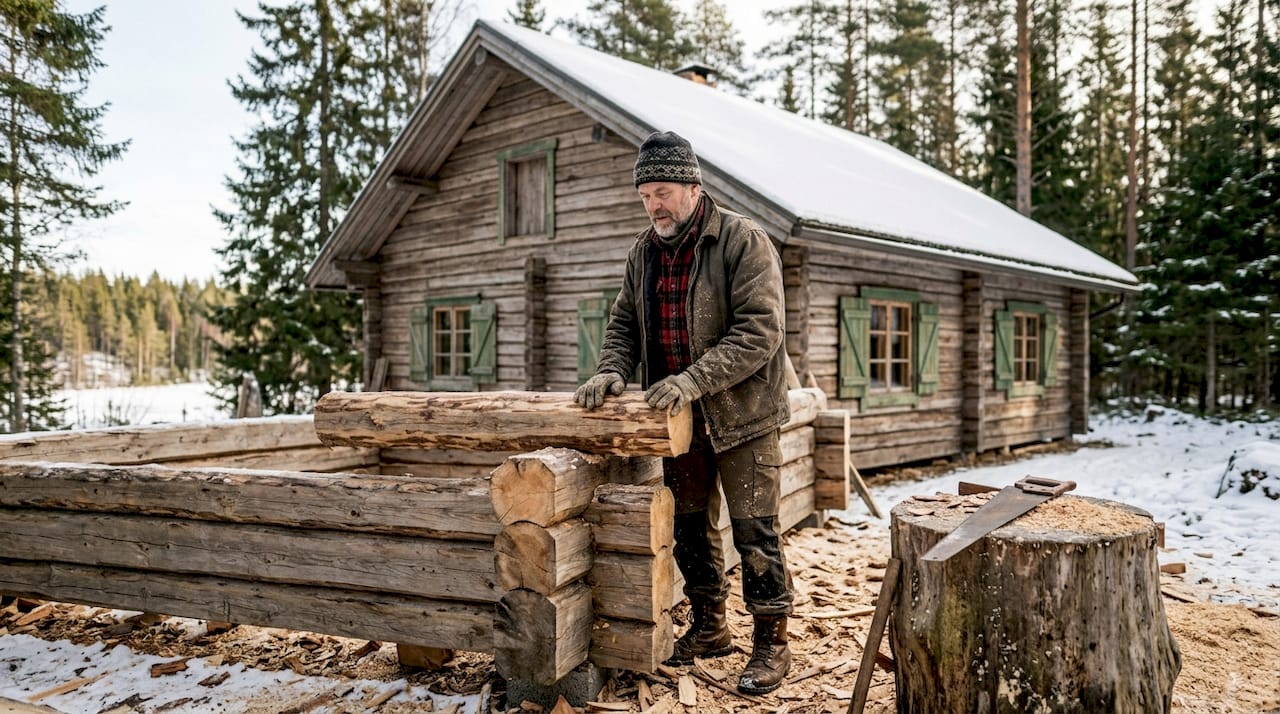
Discover traditional Finnish craftsmanship for timber homes
Many people assume Finnish wooden structures are just simple log cabins stacked together. In reality, traditional Finnish craftsmanship represents centuries of refined woodworking techniques that combine aesthetic beauty with structural integrity. These time-tested methods create custom homes, cottages, and saunas that withstand harsh Nordic climates while maintaining their character for generations. This article explores the heritage techniques, materials, and principles that define authentic Finnish timber construction, helping you understand how these traditional approaches can enhance your custom building project in Finland.
Table of Contents
- Understanding Traditional Finnish Craftsmanship: History And Principles
- Core Techniques And Materials In Traditional Finnish Timber Construction
- Comparing Traditional Craftsmanship With Modern Timber Building Methods
- Applying Traditional Finnish Craftsmanship To Your Custom Timber Home Project
- Explore Custom Finnish Timber Buildings With Huvila Seppälä
- Frequently Asked Questions
Key takeaways
| Point | Details |
|---|---|
| Heritage techniques | Finnish craftsmanship blends centuries-old joinery methods with modern precision for durable timber structures |
| Climate-adapted design | Traditional methods prioritize weather resistance and thermal efficiency suited to Finland’s harsh winters |
| Natural materials | Native pine and spruce provide superior quality, sustainability, and longevity in custom wooden buildings |
| Handcrafted quality | Manual joinery and careful wood selection ensure tight seals and structural integrity without modern fasteners |
Understanding traditional Finnish craftsmanship: history and principles
Finnish timber craftsmanship emerged from centuries of necessity and innovation in a heavily forested landscape. Rural communities developed sophisticated building methods to create homes that could endure long, freezing winters and short, intense summers. These techniques weren’t just functional but evolved into an art form that balanced practical needs with aesthetic sensibility.
The foundation of this craft lies in understanding wood as a living material. Traditional Finnish woodcraft integrates natural materials with precise manual skills that reinforce both durability and beauty. Craftsmen learned to read grain patterns, anticipate wood movement, and select the perfect tree for each structural component. This intimate knowledge of materials separated skilled builders from ordinary carpenters.
Finnish builders traditionally relied on native wood species that thrived in Nordic conditions:
- Pine offered strength, workability, and natural resistance to decay
- Spruce provided lighter weight for upper structures and excellent insulation properties
- Birch served decorative purposes and specialized structural elements
- Larch delivered exceptional durability for foundations and ground-level components
The principles guiding traditional craftsmanship extended beyond mere construction. Sustainability wasn’t a modern buzzword but a practical necessity. Builders harvested timber during winter months when sap content was lowest, ensuring better drying and reduced warping. They positioned logs to maximize natural weather resistance, with growth rings oriented to shed water effectively.
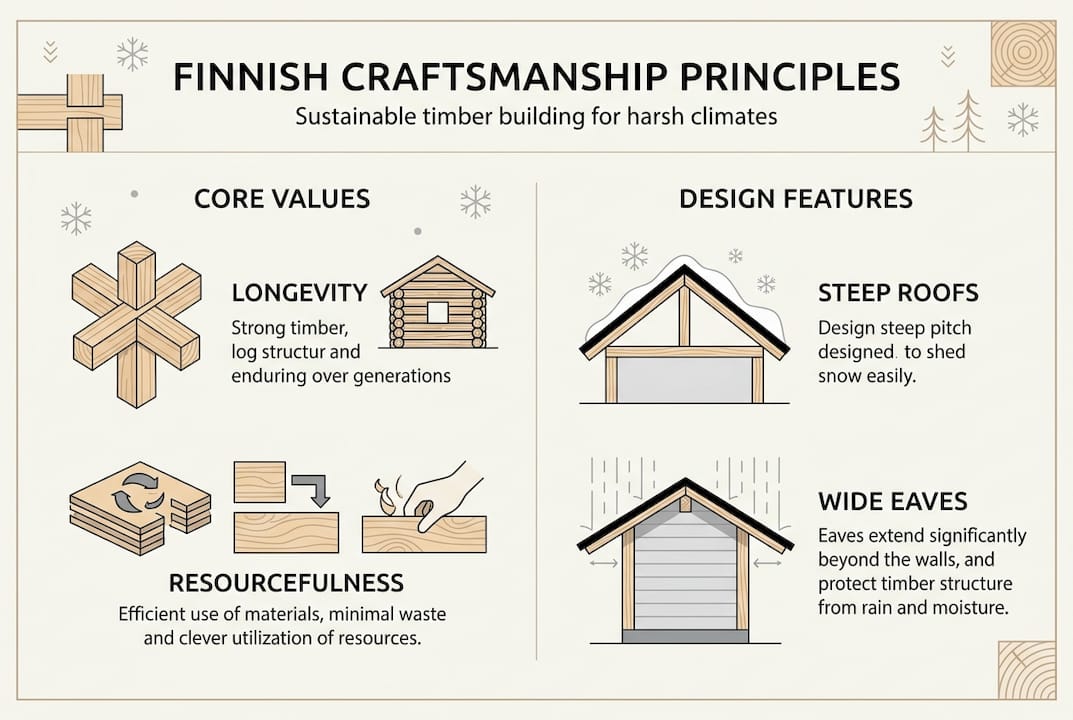
Designs reflected deep understanding of Finland’s climate and landscape. Steep roof pitches shed heavy snow loads. Wide eaves protected walls from rain and ice. Foundation techniques accounted for ground frost and seasonal soil movement. Every design choice served multiple purposes, creating buildings that worked with nature rather than fighting against it. This holistic approach to Finnish craftsmanship in timber buildings continues to influence modern construction methods.
Core techniques and materials in traditional Finnish timber construction
The heart of Finnish log construction lies in precision joinery that requires no nails or modern fasteners. Finnish log construction uses precision-cut joints fitted without nails, ensuring tight seals and structural longevity. These connections rely on gravity, compression, and carefully calculated angles to create buildings that actually strengthen as they settle.
Traditional corner joinery techniques include several distinct approaches:
- Dovetail notches create interlocking corners that resist both vertical and horizontal movement
- Saddle notches form rounded joints that accommodate log settling while maintaining weather seals
- Square notches offer simpler construction with adequate strength for smaller structures
- Blind dovetails provide hidden joints for refined aesthetic appearance
Each joint type serves specific purposes based on building size, wood species, and intended use. Master craftsmen select techniques that match project requirements rather than defaulting to a single method. This flexibility demonstrates the depth of knowledge embedded in traditional practices.
Wood preparation represents another critical aspect of quality construction. Logs must reach optimal moisture content before assembly, typically around 18-20% for exterior use. Rushing this process leads to excessive settling, gap formation, and structural problems. Traditional builders often air-dried timber for 12-18 months, rotating and restacking logs to ensure even moisture loss.
Finnish pine and spruce possess inherent properties that make them ideal for timber construction. Their cellular structure provides natural insulation, reducing heat transfer through walls. Resin content offers protection against moisture and decay. The wood’s flexibility allows buildings to move slightly with seasonal changes without cracking or failing.
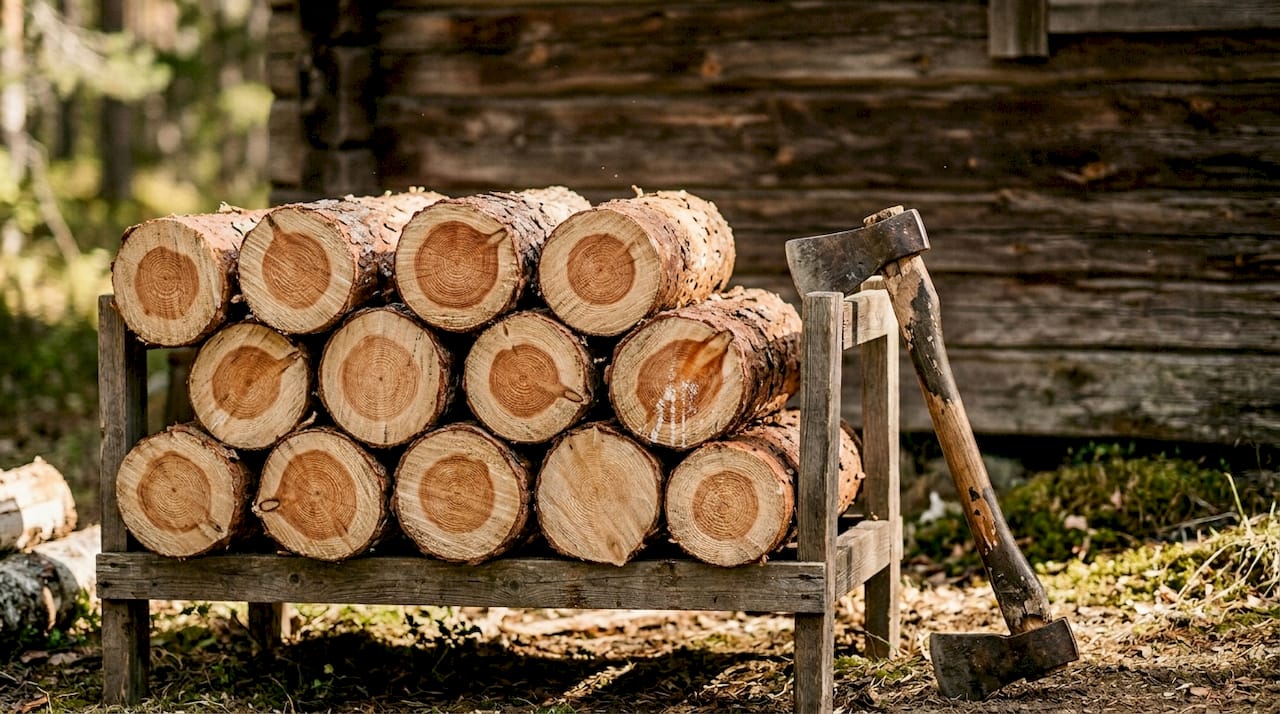
Pro Tip: Apply natural wood oils annually to exposed exterior surfaces during your first five years of ownership. This practice helps timber develop a protective patina while maintaining its ability to breathe, preventing moisture trapped inside walls that could lead to rot.
Tongue and groove connections between logs create continuous weather barriers along wall lengths. These interlocking profiles compress as buildings settle, actually improving seals over time. Traditional builders cut these profiles by hand, ensuring perfect fits that modern machinery sometimes struggles to replicate. Understanding log house terminology helps you communicate effectively with builders about these technical details.
Comparing traditional craftsmanship with modern timber building methods
The evolution of timber construction has created interesting tensions between heritage techniques and contemporary efficiency. Traditional methods prioritize handwork, time-tested joinery, and on-site customization. Modern approaches embrace prefabrication, power tools, and standardized components. Neither is inherently superior, each offers distinct advantages depending on project goals and priorities.
Traditional craftsmanship excels in several areas. Hand-fitted joints can achieve tighter tolerances than machine-cut components because craftsmen adjust each connection individually. Custom solutions address unique site conditions or design requirements that standardized systems can’t accommodate. The slower pace allows for quality control at every step, catching and correcting issues before they become embedded in the structure.
Modern methods bring their own strengths. Factory production occurs in controlled environments, eliminating weather delays and ensuring consistent quality. Computer-aided design optimizes material usage and structural performance. Prefabricated components arrive ready for rapid assembly, dramatically reducing on-site construction time. These efficiencies translate to lower labor costs and faster project completion.
| Aspect | Traditional Craftsmanship | Modern Methods |
|---|---|---|
| Construction speed | Slower, 6-12 months typical | Faster, 3-6 months typical |
| Customization | Highly flexible, unlimited options | Moderate, within system parameters |
| Cost | Higher labor, lower material waste | Lower labor, potential material waste |
| Quality control | Continuous on-site inspection | Factory quality, assembly variables |
| Weather dependency | Significant impact on schedule | Minimal, mostly prefabricated |
Modern Finnish timber building often blends classic craftsmanship with technological advances for efficiency and sustainability. This hybrid approach represents the current state of the industry, where builders select the best tools and techniques for each project phase.
Consider how different methods handle specific challenges:
- Complex roof structures benefit from traditional hand-cutting that accommodates irregular angles
- Straight wall sections gain efficiency from prefabricated panels with consistent dimensions
- Custom windows and doors require traditional fitting skills for proper weatherproofing
- Foundation connections work well with modern precision-engineered anchor systems
The key lies in recognizing that traditional and modern aren’t opposing forces but complementary approaches. Skilled builders understand when hand-crafting adds genuine value versus when technology delivers better results. This discernment separates experienced professionals from those who rigidly adhere to one philosophy. Understanding the master craftsmanship role in Finnish timber building helps you evaluate which approach suits your project best.
Applying traditional Finnish craftsmanship to your custom timber home project
Successfully incorporating traditional craftsmanship into your building project requires planning from the earliest design stages. Waiting until construction begins limits your options and increases costs. Integrating traditional methods from the design phase improves quality, durability, and authenticity of Finnish timber homes while keeping budgets realistic.
Follow these steps to ensure traditional techniques enhance your project:
- Research builders with documented experience in Finnish log construction and traditional joinery methods
- Schedule initial consultations to discuss your vision, budget, and timeline expectations with multiple craftsmen
- Request portfolio examples showing completed projects that demonstrate the specific techniques you want incorporated
- Develop detailed architectural drawings that specify traditional elements like corner types, roof structures, and joinery details
- Establish a realistic timeline that accounts for proper wood drying, hand-fitting work, and seasonal construction considerations
- Plan for regular site visits during construction to observe techniques and make informed decisions about modifications
- Budget for ongoing maintenance that preserves traditional elements and extends building lifespan
Wood selection deserves special attention when pursuing traditional craftsmanship. Visit timber suppliers with your builder to examine log quality, grain patterns, and moisture content. High-quality Finnish pine shows tight growth rings indicating slow growth in harsh conditions. These logs offer superior strength and stability compared to fast-grown alternatives.
Joinery choices should align with your building’s purpose and aesthetic goals. A rustic cottage might feature prominent saddle notch corners that celebrate traditional construction. A refined villa could use blind dovetails that hide structural connections for cleaner lines. Discuss these options during design development, not after framing begins.
Seasonal timing affects construction quality in ways that modern heating and enclosures can’t fully overcome. Traditional builders preferred starting foundations in late spring, allowing summer months for log work when wood is most stable. Fall completion enabled proper settling before winter’s first freeze. While modern techniques offer more flexibility, respecting seasonal rhythms still produces better results.
Site preparation requires attention to drainage, solar orientation, and wind patterns. Traditional Finnish builders positioned homes to maximize southern sun exposure while protecting north walls from prevailing winds. They ensured foundations remained above seasonal water tables and directed runoff away from structures. These principles remain valid regardless of construction methods. Following a comprehensive step by step cottage building guide ensures you don’t overlook critical planning elements.
Pro Tip: Select a builder who can explain the reasoning behind traditional techniques rather than just replicating them by rote. Understanding why certain methods work helps you make informed decisions about where to invest in craftsmanship versus where modern alternatives serve you better.
Maintenance practices for traditionally crafted timber homes differ from modern construction. Wood needs to breathe, so avoid sealing it with impermeable finishes. Inspect chinking and caulking annually, refreshing as needed to maintain weather seals. Check roof drainage to prevent water accumulation that could damage logs. These simple practices preserve your investment for generations. Resources like building a Finnish villa tutorial and build Finnish outdoor sauna guide provide detailed maintenance recommendations for different structure types.
Explore custom Finnish timber buildings with Huvila Seppälä
Bringing traditional Finnish craftsmanship to life in your custom timber home requires partnering with experienced professionals who understand both heritage techniques and modern building science. Huvila Seppälä combines over 65 years of timber construction expertise with deep respect for traditional Finnish methods, creating homes, cottages, and saunas that honor craftsmanship while meeting contemporary needs.
Their approach integrates the precision joinery and material selection principles discussed throughout this article with efficient project management and transparent pricing. Whether you’re planning a lakeside cottage or a full-scale villa, their team works from your designs to create custom timber structures using Finnish wood and time-tested construction methods. Learn more about Finnish craftsmanship in timber buildings and explore detailed guides like their step by step cottage building resource. Discover why building with timber offers unique advantages for Finnish construction projects.
Frequently asked questions
What defines traditional Finnish craftsmanship in timber building?
Traditional Finnish craftsmanship refers to heritage woodworking techniques developed over centuries for constructing log homes, cottages, and saunas. These methods emphasize hand-fitted joinery, careful wood selection, and climate-adapted designs that create durable structures without modern fasteners. The craft combines practical building knowledge with aesthetic sensibility rooted in Finland’s forest culture.
What is a saddle notch in log construction?
A saddle notch is a rounded corner joint where logs interlock by fitting into curved cuts made in perpendicular logs. This traditional technique creates weather-tight corners that accommodate natural wood settling while maintaining structural integrity. The rounded profile sheds water effectively and allows logs to compress evenly as the building settles during its first years.
Why are pine and spruce preferred for Finnish timber homes?
Finnish pine and spruce offer ideal properties for timber construction including natural resin content that resists moisture and decay, cellular structure providing excellent insulation, and flexibility that allows buildings to move with seasonal changes without cracking. These native species grow slowly in harsh Nordic conditions, producing tight growth rings that indicate superior strength and stability compared to fast-grown alternatives.
How do I maintain a traditionally crafted wooden home?
Maintain timber homes by applying natural wood oils to exterior surfaces annually during the first five years, inspecting and refreshing chinking or caulking between logs each year, ensuring proper roof drainage to prevent water accumulation, and avoiding impermeable sealants that prevent wood from breathing naturally. Regular inspections catch small issues before they become structural problems, preserving your investment for generations.
What distinguishes traditional craftsmanship from modern timber construction?
Traditional craftsmanship relies on hand-fitted joinery, on-site customization, and time-tested techniques passed through generations of builders. Modern construction embraces prefabrication, power tools, and standardized components for faster assembly. The best contemporary approach blends both, using traditional methods where hand-crafting adds genuine value and modern techniques where technology delivers superior efficiency or consistency.
Recommended
- Master craftsmanship’s role in Finnish timber building – Hirsitalot, pihasaunat ja piharakennukset kotimaisesta hirrestä
- Finnish Craftsmanship in Timber: Lasting Quality and Design – Hirsitalot, pihasaunat ja piharakennukset kotimaisesta hirrestä
- Why Use Finnish Forestry for Log Homes – Hirsitalot, pihasaunat ja piharakennukset kotimaisesta hirrestä
- Role of craftsmanship in saunas: Finnish timber guide – Hirsitalot, pihasaunat ja piharakennukset kotimaisesta hirrestä