Energy Efficiency in Saunas – Real Savings for Owners
Most American sauna owners do not realize that inefficient setups can waste as much as 40 percent of the heat they generate. When energy slips away, it means higher bills and unnecessary strain on the environment. Understanding energy efficiency in saunas helps American families save money while enjoying reliable warmth and comfort. This guide highlights smarter ways to design and use your sauna, so you maximize relaxation without wasting power.
Table of Contents
- What Energy Efficiency in Saunas Means
- Types of Sauna Heating and Efficiency Levels
- Insulation and Material Choices for Saunas
- Smart Usage Tips to Lower Operating Costs
- Common Pitfalls That Waste Energy in Saunas
Key Takeaways
| Point | Details |
|---|---|
| Energy Efficiency Importance | Energy efficiency in saunas minimizes electricity consumption while ensuring optimal comfort and performance. |
| Heating Technology Choices | Selecting efficient heating technologies, such as infrared systems, can significantly reduce electricity use and enhance heating speed. |
| Insulation Quality | High-quality insulation materials are crucial for heat retention and reducing energy waste in sauna design. |
| Operational Practices | Implementing smart usage strategies, like programmable thermostats and maintenance checks, helps lower operating costs and improve energy efficiency. |
What Energy Efficiency in Saunas Means
Energy efficiency in saunas represents a strategic approach to minimizing electricity consumption while maintaining optimal performance and comfort. At its core, this concept involves designing, operating, and maintaining your sauna in ways that reduce unnecessary energy expenditure without compromising the core therapeutic and relaxation benefits.
The primary components of sauna energy efficiency encompass several critical technical and design considerations. These include high-quality thermal insulation, intelligent heat management systems, advanced heating technologies, and thoughtful construction techniques. Modern sauna owners recognize that efficiency isn’t just about reducing electricity bills – it’s about creating a sustainable and environmentally responsible wellness experience.
Key elements that contribute to superior sauna energy efficiency include:
- Proper wall and ceiling insulation with high R-value materials
- Selecting energy-efficient heating elements like electric or wood-fired stoves designed for minimal heat loss
- Installing tight-sealing doors and windows to prevent heat escape
- Using programmable thermostats and timers to control heating cycles
- Choosing smaller, more compact sauna designs that require less energy to heat
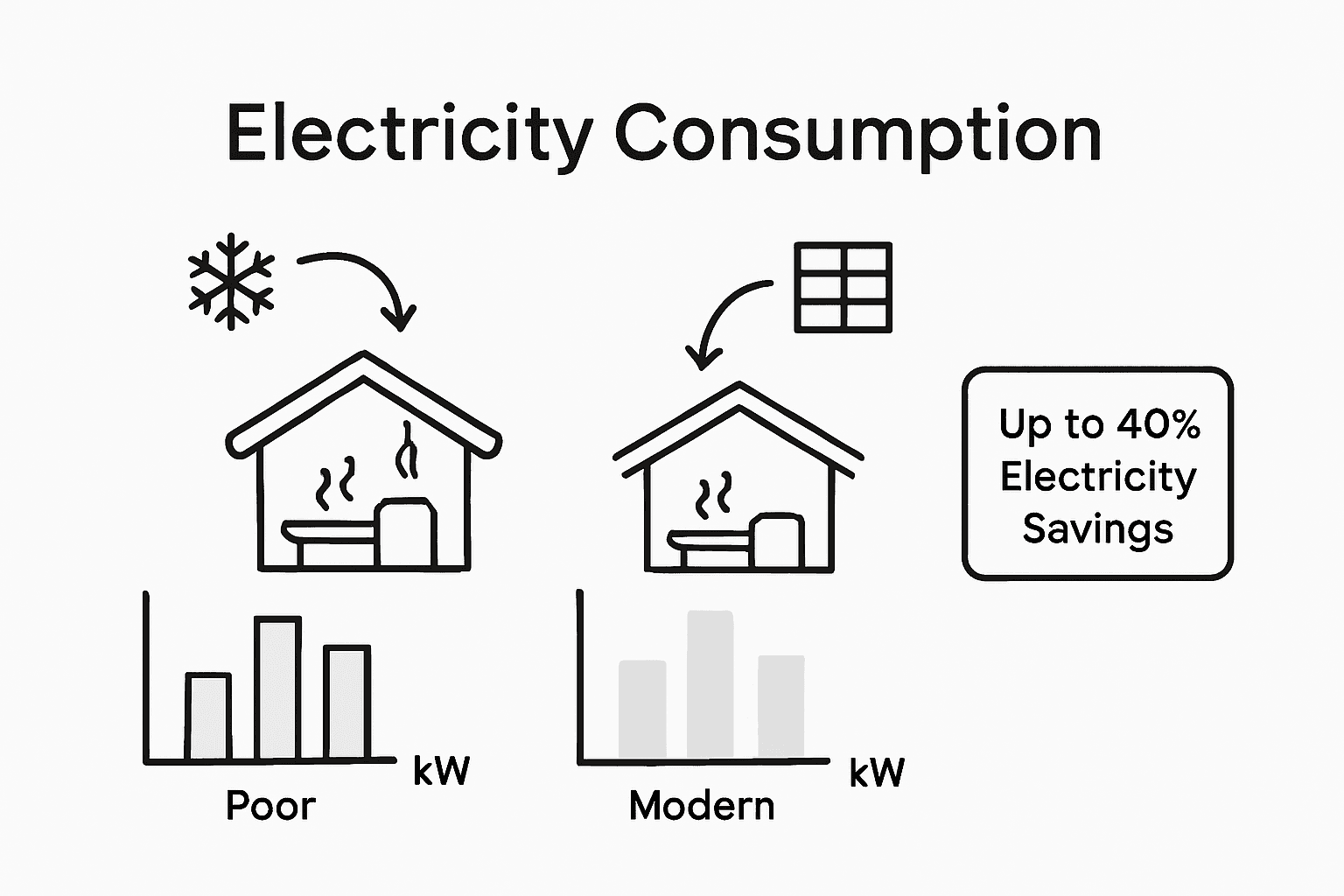
Electricity consumption in saunas can vary dramatically based on design choices, with inefficient models potentially consuming 2-3 times more power than well-engineered alternatives. Factors like room size, insulation quality, heating method, and usage frequency all play significant roles in determining overall energy performance.
Pro Tip: Thermal Performance Check – Annually inspect your sauna’s insulation and seal any potential heat leaks to maintain maximum energy efficiency and reduce unnecessary power consumption.
Types of Sauna Heating and Efficiency Levels
Sauna heating technologies have evolved significantly, offering diverse options that dramatically impact energy consumption and overall performance. Three primary heating systems dominate the market: traditional electric heaters, wood-fired stoves, and innovative infrared heating systems, each presenting unique efficiency characteristics and operational considerations.
Traditional electric heaters remain the most common sauna heating method, utilizing electric heating elements to warm the space and stones. These systems typically consume more electricity, with standard models requiring 4-6 kilowatts per hour during operation. In contrast, infrared heating technologies represent a revolutionary approach, consuming approximately one-third the electricity of traditional electric heaters while providing faster and more targeted heat distribution.
Key characteristics of different sauna heating technologies include:
- Electric Heaters
- High power consumption (4-6 kilowatts/hour)
- Slower heat-up times
- Uniform heat distribution
- Infrared Heating
- Low power consumption (1-2 kilowatts/hour)
- Rapid heat-up times
- Direct body heat penetration
- Wood-Fired Stoves
- Variable energy efficiency
- Traditional heating experience
- Dependent on wood quality and burning technique
Modern sauna heating systems increasingly incorporate smart control technologies that optimize energy usage. These advanced systems learn user preferences, implement zone heating strategies, and automatically adjust temperature and power consumption based on actual usage patterns. Such intelligent design can reduce overall energy expenditure by up to 25% compared to traditional fixed-setting heating elements.
Here is a comparison of how common sauna heating systems impact both energy use and user experience:
| Heating System | Typical Power Usage | User Experience | Energy Efficiency Impact |
|---|---|---|---|
| Electric Heater | 4-6 kW per hour | Even, slow warming | Higher consumption, steady comfort |
| Infrared System | 1-2 kW per hour | Direct, quick warmth | Low consumption, efficient heat |
| Wood-Fired Stove | Varies by wood/size | Natural, traditional | Variable efficiency, rustic feel |
Pro Tip: Heating System Selection – Carefully evaluate your specific usage patterns and space requirements before choosing a sauna heating technology, as the right selection can significantly impact long-term energy efficiency and operational costs.
Insulation and Material Choices for Saunas
Insulation represents the critical backbone of energy-efficient sauna design, directly impacting heat retention, electricity consumption, and overall thermal performance. Selecting the right materials and insulation strategies can dramatically reduce energy waste while creating a more comfortable and sustainable sauna experience. Sauna construction techniques play a crucial role in determining how effectively a sauna maintains its internal temperature.
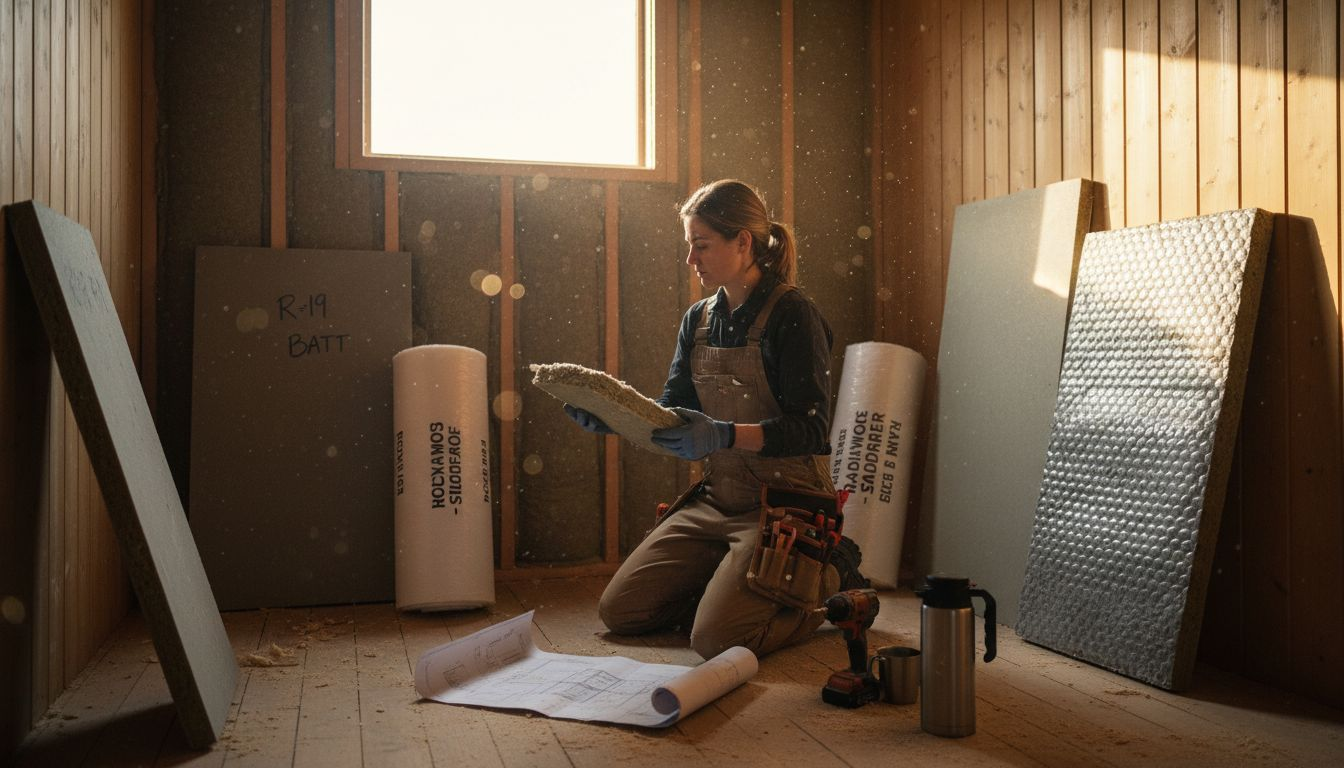
Traditional thermal insulation materials like fiberglass, mineral wool, and specialized foam boards offer distinct advantages for sauna construction. These materials provide excellent heat resistance and moisture management, critical factors in maintaining energy efficiency. Wood remains the most popular sauna construction material, with options like cedar, pine, and spruce offering natural insulating properties and moisture-resistant characteristics that complement thermal performance.
Key considerations for sauna insulation and material selection include:
- Thermal resistance (R-value) of insulation materials
- Moisture-handling capabilities
- Natural resistance to heat and humidity
- Durability and long-term performance
- Compatibility with different sauna heating systems
Advanced insulation technologies now incorporate reflective barriers and specialized air gaps that further enhance thermal efficiency. These innovative approaches can reduce heat loss by up to 30%, significantly lowering energy consumption and creating a more consistent internal temperature. Proper wall and ceiling insulation, combined with high-quality sealing techniques, transforms a standard sauna into an energy-efficient wellness space.
Pro Tip: Material Compatibility Check – Before selecting insulation materials, verify their heat and moisture resistance ratings to ensure optimal performance and longevity in your specific sauna environment.
Smart Usage Tips to Lower Operating Costs
Reducing sauna operating costs requires a strategic approach that combines intelligent usage practices, technological insights, and proactive maintenance. Energy-conscious sauna owners can significantly minimize electricity consumption by implementing targeted strategies that optimize heating efficiency and minimize unnecessary power expenditure. Sauna construction techniques play a crucial role in establishing a foundation for energy-efficient performance.
Temperature management represents a critical factor in controlling operational expenses. Most users unnecessarily heat saunas to excessively high temperatures, consuming substantial electricity without proportional benefits. Experts recommend maintaining temperatures between 150-180 degrees Fahrenheit, which provides optimal therapeutic benefits while minimizing energy consumption. Smart programmable thermostats can automatically regulate temperature, preventing wasteful overheating and enabling precise energy control.
Effective energy-saving strategies for sauna usage include:
- Preheating for minimal duration (15-20 minutes maximum)
- Using timer functions on heating systems
- Maintaining consistent ambient room temperatures
- Sealing potential heat escape points
- Implementing routine maintenance checks
- Choosing shorter, more frequent sauna sessions
Additional cost-reduction techniques involve strategic usage patterns and technological interventions. Infrared saunas, for instance, consume approximately 30-40% less electricity compared to traditional electric heaters, offering significant long-term savings. Modern sauna designs increasingly incorporate energy-management technologies that learn user preferences, automatically adjusting heating cycles and minimizing unnecessary power consumption.
Pro Tip: Efficiency Tracking – Install a dedicated electricity meter to monitor and track your sauna’s precise energy consumption, enabling data-driven optimization of your heating and usage strategies.
Common Pitfalls That Waste Energy in Saunas
Sauna energy inefficiency often stems from overlooked design and operational mistakes that silently drain electricity and compromise thermal performance. Energy waste can accumulate through multiple channels, transforming what should be an efficient wellness experience into an expensive and environmentally unfriendly process. Sauna construction techniques play a critical role in preventing these common energy-draining scenarios.
Poor insulation represents the most significant energy-wasting pitfall for sauna owners. Inadequate wall, ceiling, and door sealing can result in heat loss rates of up to 40%, forcing heating systems to work exponentially harder to maintain desired temperatures. Thermal bridges – areas where insulation is interrupted or ineffective – create invisible energy leaks that dramatically increase electricity consumption, often without the owner’s immediate awareness.
Key energy-wasting pitfalls in sauna design and usage include:
- Improper door and window sealing
- Oversized sauna spaces beyond actual usage needs
- Inconsistent or degraded insulation materials
- Neglecting regular maintenance of heating elements
- Using outdated, inefficient heating technologies
- Leaving saunas in standby mode for extended periods
- Failing to implement programmable temperature controls
Frequent operational errors further compound energy inefficiency. Many users repeatedly make fundamental mistakes like preheating saunas far longer than necessary, maintaining excessively high temperatures, or using heating systems without understanding their specific energy consumption patterns. Modern sauna technologies now offer intelligent monitoring systems that can track and optimize energy usage, providing real-time insights into potential waste points and suggesting efficiency improvements.
The following table summarizes the most frequent energy-wasting mistakes in sauna design and operation, along with their typical outcomes:
| Common Mistake | Typical Cause | Energy Loss Impact |
|---|---|---|
| Poor insulation | Low-quality or degraded materials | Up to 40% heat lost |
| Oversized sauna space | Overestimating capacity needs | Excessive power usage |
| Outdated heating technology | Not upgrading older systems | High ongoing costs |
| Lack of routine maintenance | Ignoring heating element care | Inefficient heating |
Pro Tip: Thermal Performance Audit – Conduct an annual comprehensive review of your sauna’s insulation, sealing, and heating systems to identify and address potential energy-wasting vulnerabilities before they become costly long-term issues.
Achieve True Energy Efficiency with Custom Finnish Sauna Solutions
The article highlights how critical energy efficiency is for sauna owners aiming to reduce electricity consumption while maintaining optimal comfort. Common challenges like poor insulation, outdated heaters, and excessive heating times lead to wasted energy and higher costs. If you want a sauna that combines authentic Finnish craftsmanship with smart design choices that boost thermal performance and reduce power use, you need a custom solution built with precision and the right materials.
At Huvila Seppälä, we specialize in creating tailored timber frames and log saunas crafted from premium Finnish wood. Our expert designs focus on effective insulation, compact sizing, and compatibility with modern, energy-saving heating technologies. With over 65 years of experience, we ensure your sauna not only looks beautiful but also performs efficiently to save you money every day. Explore our custom sauna designs and discover how to reduce operational costs without sacrificing your wellness ritual. Start your energy-smart sauna project now and enjoy a warm, sustainable retreat built just for you.
Frequently Asked Questions
What contributes to energy efficiency in saunas?
Energy efficiency in saunas is achieved through factors like high-quality thermal insulation, intelligent heat management systems, energy-efficient heating elements, tight-sealing doors and windows, and compact sauna designs that require less energy to heat.
How do different heating systems affect sauna energy efficiency?
Heating systems such as traditional electric heaters consume 4-6 kilowatts per hour, whereas infrared heating systems use only 1-2 kilowatts per hour. Infrared systems provide quicker heating and lower energy consumption, while wood-fired stoves have variable efficiency based on wood quality and burning techniques.
What are some effective tips for reducing sauna operating costs?
To reduce costs, maintain temperatures between 150-180 degrees Fahrenheit, preheat for a minimal duration, use timer functions, check for heat leaks, and perform routine maintenance. Implementing smart technology for better temperature control can also help minimize electricity usage.
What common mistakes lead to energy waste in saunas?
Common mistakes include poor insulation and sealing, using oversized sauna spaces, neglecting maintenance of heating elements, and failing to use programmable thermostats. These issues can lead to significant energy loss and increased operational costs.
Recommended
- Hirsisaunan Suunnitteluperusteet: Kaikki oleellinen tieto – Huvila Seppälä
- Blogit – Huvila Seppälä
- Hirsisaunan rakentaminen itse – vaihe vaiheelta onnistuneesti – Huvila Seppälä
- Ympäristövaikutukset Hirsirakentamisessa: Täydellinen Opas – Huvila Seppälä