What Is a Sauna Stove and Why Choice Matters
Choosing the right sauna stove can feel like the most important decision when building your dream outdoor retreat in Central Europe. For many homeowners, the stove is more than a heat source—it is the heart of the sauna, shaping every aspect of warmth, humidity, and overall comfort. With Finnish craftsmanship setting the standard, this guide will help you understand the critical features that define sauna stoves and ensure your custom build delivers an authentic and enjoyable experience.
Table of Contents
- What Defines A Sauna Stove And Its Role
- Different Types Of Sauna Stoves Explained
- How Sauna Stoves Work: Key Features
- Choosing Between Wood-Burning And Electric Stoves
- Safety, Installation, And Maintenance Essentials
Key Takeaways
| Point | Details |
|---|---|
| Sauna Stove Functions | Sauna stoves generate penetrating heat, regulate humidity, and create a focal point for rituals, enhancing the traditional sauna experience. |
| Types of Sauna Stoves | The main types include wood-burning for tradition, electric for convenience, and infrared for targeted therapy, each offering unique user experiences. |
| Safety and Maintenance | Proper installation and maintenance protocols are essential to ensure safe operation and longevity for all types of sauna stoves. |
| Selection Criteria | Consider factors like energy sources, installation context, and personal preferences when choosing a sauna stove to optimize performance. |
What Defines a Sauna Stove and Its Role
A sauna stove is far more than a simple heating apparatus—it represents the central thermal engine transforming a wooden room into an authentic Finnish bathing experience. Unlike conventional heating systems, these specialized units are engineered to generate and distribute radiant heat that creates a unique atmospheric environment essential for traditional sauna practice.
The core functions of a sauna stove extend beyond basic temperature regulation. These sophisticated heating devices perform several critical roles:
- Generate consistent, penetrating heat across the entire sauna space
- Create thermal mass through heated stones that release moisture and warmth
- Regulate humidity levels through strategic steam generation
- Provide a focal point for the traditional Finnish sauna ritual
The design and placement of the sauna stove dramatically influence the overall sauna experience. In traditional Finnish saunas, the stove represents more than mechanical equipment—it embodies cultural heritage and thermal engineering precision. Proper stove selection determines not just temperature, but the entire sensory quality of the bathing environment.
The sauna stove is the beating heart of the bathing experience, transforming a simple wooden room into a sanctuary of warmth and wellness.
Modern sauna stoves come in multiple configurations, each tailored to specific architectural and heating requirements. Wood-burning models connect users to traditional heating methods, while electric versions offer precise temperature control. The choice depends on multiple factors including available energy sources, installation context, and personal preference.
Pro tip: When selecting a sauna stove, prioritize thermal efficiency and compatibility with your specific sauna design to ensure optimal heat distribution and performance.
Different Types of Sauna Stoves Explained
Sauna stoves represent a diverse technological landscape, with each type offering unique heating characteristics tailored to specific environments and user preferences. Understanding these variations is crucial for selecting the right thermal solution for your sauna experience.
The primary categories of sauna stoves can be classified into three distinct types:
- Wood-Burning Stoves: Traditional heating method providing authentic thermal experience
- Electric Sauna Heaters: Modern, convenient option with precise temperature control
- Infrared Panels: Innovative technology focusing on direct body heat absorption
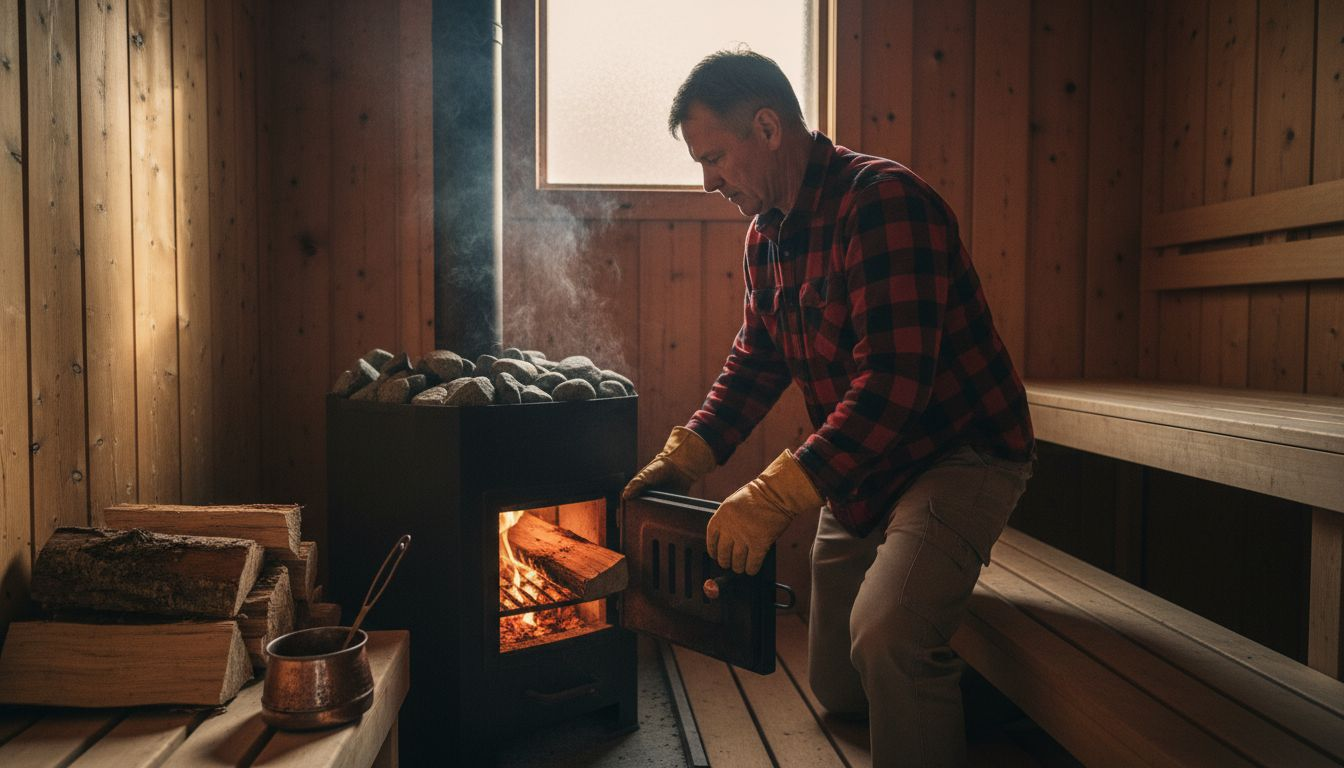
Wood-burning stoves remain the most traditional option, especially in outdoor sauna setups. These classic stoves connect users to centuries-old Finnish heating traditions, generating radiant heat through direct combustion. They require manual wood loading and offer a sensory experience that electric alternatives cannot replicate.
Traditional wood-burning stoves transform sauna heating from a mechanical process into a ritualistic thermal journey.
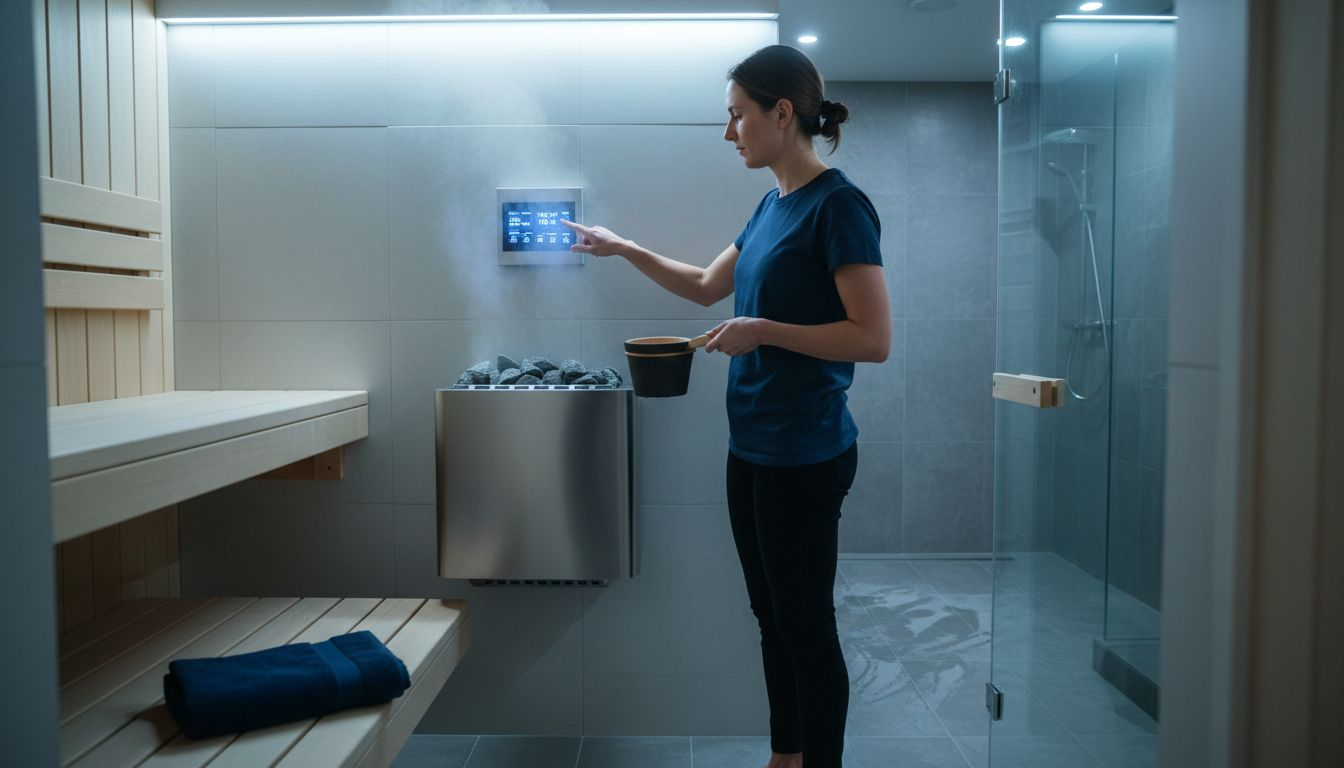
Electric sauna heaters have gained significant popularity in urban and indoor settings. These units provide precise temperature management, quick heating capabilities, and minimal maintenance requirements. They typically feature stone compartments that allow users to generate steam by pouring water, mimicking the traditional thermal experience while offering modern convenience.
Infrared panel heaters represent the most technologically advanced option, operating differently from conventional sauna stoves. Instead of heating the surrounding air, these panels emit infrared radiation that directly warms human body tissues. This approach offers a unique therapeutic experience, particularly beneficial for individuals seeking targeted heat therapy.
Here’s how the main sauna stove types differ in operation and experience:
| Stove Type | Heat Generation Method | Typical Use Case | User Experience Highlights |
|---|---|---|---|
| Wood-Burning | Combustion of logs | Outdoor, rustic saunas | Deep radiant heat, ritualistic |
| Electric | Electrical elements | Indoor, urban saunas | Precise temperature, fast setup |
| Infrared Panels | Infrared radiation | Modern, therapy-focused | Direct body warming, quick start |
Pro tip: Evaluate your specific sauna location, energy access, and heating preferences before selecting a stove type to ensure optimal performance and user satisfaction.
How Sauna Stoves Work: Key Features
The thermal dynamics of sauna stoves represent a sophisticated interplay between heat generation, distribution, and user experience. These specialized heating units transform simple wooden spaces into therapeutic environments through carefully engineered mechanisms that go far beyond basic temperature control.
Key operational characteristics of sauna stoves include:
- Heat generation through direct thermal conversion
- Strategic stone placement for optimal heat retention
- Temperature range typically between 70°C and 100°C
- Precise thermal distribution across entire sauna space
In energy-efficient sauna designs, the stove’s construction materials play a critical role in performance. Steel and cast iron remain the preferred materials, offering superior heat conduction and long-lasting durability. These materials absorb and radiate heat efficiently, creating a stable thermal environment that mimics traditional Finnish heating principles.
The sauna stove transforms raw thermal energy into a holistic wellness experience, bridging engineering and human comfort.
The steam generation process represents another crucial functional aspect of sauna stoves. When water is carefully poured over heated stones, it creates a rapid temperature and humidity shift. This momentary burst of steam—known as loyly in Finnish—provides an intense sensory experience that differentiates authentic saunas from simple heated rooms.
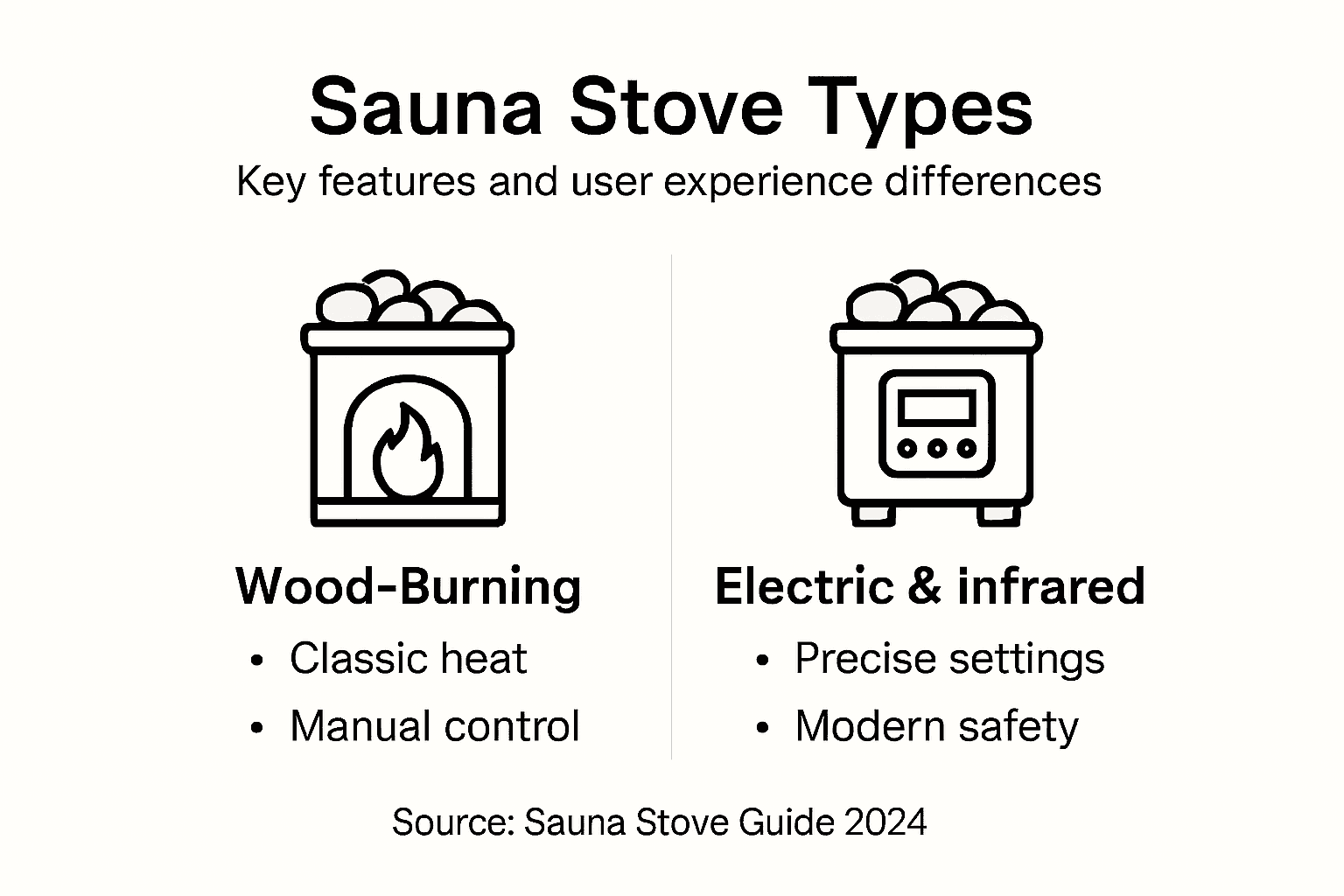
Modern sauna stoves incorporate advanced safety and control features, including precise temperature regulators, automatic shut-off mechanisms, and integrated ventilation systems. These technological enhancements ensure consistent performance while maintaining the fundamental thermal principles that have defined sauna experiences for generations.
Pro tip: Invest in a sauna stove with robust thermal mass and high-quality materials to guarantee consistent heat performance and longevity.
Choosing Between Wood-Burning and Electric Stoves
Selecting the right sauna stove represents a critical decision that profoundly impacts the entire thermal experience. The choice between wood-burning and electric stoves transcends mere heating mechanisms, reflecting personal preferences, architectural constraints, and cultural traditions.
Key comparison points between wood-burning and electric stoves include:
- Installation Requirements
- Wood-burning: Requires chimney, ventilation, and more complex setup
- Electric: Simpler installation, minimal structural modifications
- Heat Characteristics
- Wood-burning: Deep, penetrating radiant heat
- Electric: Precise, consistent temperature control
- Operational Complexity
- Wood-burning: Demands active management, wood procurement
- Electric: Push-button convenience, minimal maintenance
In custom sauna construction, wood-burning stoves offer an unparalleled sensory experience. The crackling wood, distinct aroma, and ritualistic loading process connect users to centuries-old Finnish heating traditions. These stoves generate a more organic heat pattern, creating deeper thermal penetration and a more immersive sauna environment.
Wood-burning stoves are not just heating devices—they’re portals to a centuries-old wellness ritual.
Electric stoves, by contrast, represent modern convenience and technological precision. They excel in urban settings, indoor installations, and environments with strict regulatory requirements. These units provide instantaneous heat, exact temperature management, and significantly reduced maintenance compared to their wood-burning counterparts.
The decision ultimately hinges on personal priorities. Wood-burning stoves suit traditionalists, outdoor enthusiasts, and those seeking an authentic experience. Electric stoves appeal to urban dwellers, those prioritizing convenience, and individuals with limited installation options.
Pro tip: Assess your specific space, lifestyle, and heating preferences before committing to a sauna stove type to ensure maximum satisfaction and optimal performance.
Safety, Installation, and Maintenance Essentials
Navigating the safety landscape of sauna stoves requires meticulous attention to installation protocols, regulatory compliance, and ongoing maintenance. The intricate balance between thermal performance and operational safety demands a comprehensive understanding of critical protective measures.
Key safety considerations for sauna stove installation include:
- Structural Requirements
- Non-combustible floor base
- Minimum clearance from walls and combustible materials
- Proper ventilation and air circulation
- Electrical Safety
- Dedicated circuit installation
- Professional electrical connections
- Grounding and surge protection
- Thermal Protection
- Heat-resistant barriers
- Automatic temperature shut-off mechanisms
- Protective screens or guards
In building code compliance for saunas, professional installation becomes paramount. Certified technicians understand the nuanced requirements for safe stove placement, ensuring proper thermal insulation, structural integrity, and adherence to local building regulations. These experts assess factors like room dimensions, material compatibility, and potential heat transfer risks.
Safety in sauna design is not an option—it’s an absolute necessity that protects both users and infrastructure.
Maintenance protocols differ significantly between wood-burning and electric stoves. Wood-burning models require regular ash removal, chimney inspection, and stone replacement. Electric stoves demand periodic electrical system checks, stone surface cleaning, and component wear assessment. Both types benefit from annual professional inspections to ensure optimal performance and safety.
Below is a summary of key installation and maintenance distinctions for sauna stoves:
| Stove Type | Installation Needs | Maintenance Routine | Safety Considerations |
|---|---|---|---|
| Wood-Burning | Chimney, ventilation | Ash removal, chimney checks | Heat-resistant base, clearances |
| Electric | Electrical circuit | System inspection, stone clean | Surge protection, professional wiring |
| Infrared | Simple mounting | Panel surface cleaning | Grounded installation, thermal guards |
Understanding thermal expansion, material stress, and potential wear patterns helps sauna owners prevent potential hazards. Regular visual inspections, cleaning routines, and proactive component replacement can dramatically extend the lifespan of your sauna stove while maintaining a safe, enjoyable heating environment.
Pro tip: Schedule annual professional inspections and maintain a detailed maintenance log to catch potential safety issues before they become critical problems.
Discover the Perfect Sauna Stove for Your Custom Finnish Sauna
Choosing the right sauna stove is essential to creating an authentic sauna experience that blends tradition, comfort, and safety. Whether you prefer the deep radiant heat of a wood-burning stove or the precise control of an electric heater, understanding how your stove influences heat distribution, humidity, and atmosphere will transform your sauna into a true sanctuary. At Huvila Seppälä, we leverage over 65 years of expertise in crafting custom saunas and timber structures designed to enhance every aspect of the sauna ritual.
Take advantage of our tailored design services to select or integrate sauna stoves that align perfectly with your space, energy availability, and heating preferences. Our fast delivery and transparent quotations ensure you can realize your dream sauna without unnecessary delays or hidden costs. Explore how our authentic Finnish craftsmanship and customizable options can help you build a sauna that captures the full essence of traditional heat, whether planning a new build or upgrading your existing setup. Visit Huvila Seppälä to learn more about our custom log houses and saunas and begin creating your personalized Finnish wellness retreat today.
Frequently Asked Questions
What is a sauna stove and how does it work?
A sauna stove is a specialized heating unit that generates radiant heat to create a traditional Finnish bathing environment. It works by converting thermal energy from wood combustion or electricity into a consistent, penetrating heat that warms the sauna space and allows for steam generation when water is poured over heated stones.
What are the main types of sauna stoves available?
The primary types of sauna stoves include wood-burning stoves, electric sauna heaters, and infrared panels. Wood-burning stoves offer a traditional heating experience, electric heaters provide precise temperature control, and infrared panels focus on direct body heat absorption for therapeutic benefits.
How do I choose the right sauna stove for my needs?
Choosing the right sauna stove depends on several factors including installation requirements, heating preferences, and energy sources. Consider whether you prefer the authentic experience of wood-burning stoves, the convenience of electric heaters, or the innovative technology of infrared panels.
What safety measures should I consider when installing a sauna stove?
Safety measures for sauna stove installation include ensuring a non-combustible floor base, maintaining minimum clearances from walls, ensuring proper ventilation, and following electrical safety protocols for electric stoves. It is also essential to schedule annual professional inspections to ensure safety and performance.
Recommended
- What Is a Finnish Sauna and Why It Matters – Huvila Seppälä
- 7 Essential Sauna Planning Tips for Your Dream Retreat – Huvila Seppälä
- Why Invest in Outdoor Saunas for Wellness and Value – Huvila Seppälä
- Outdoor Saunas: Enhancing Home Wellness Naturally – Hirsitalot, pihasaunat ja piharakennukset kotimaisesta hirrestä