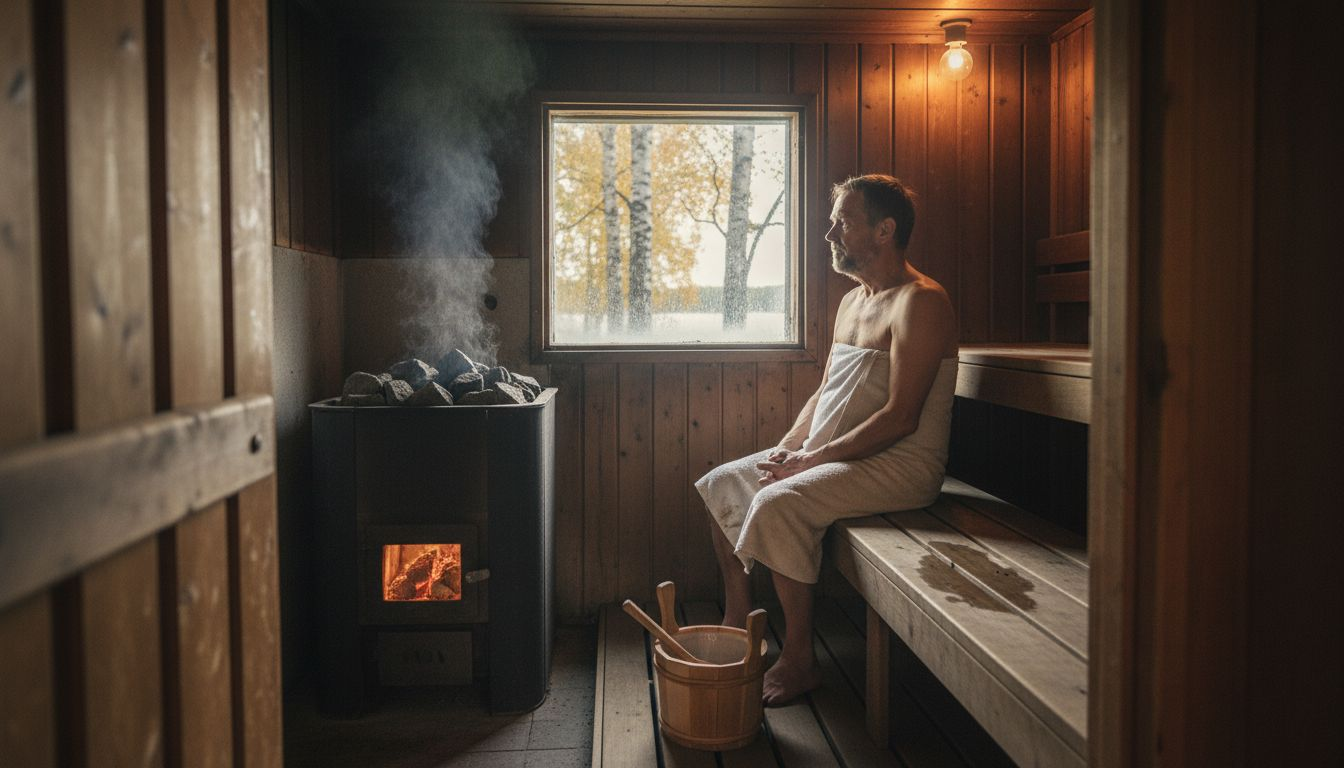
What Is a Finnish Sauna and Why It Matters
Most Central European homeowners dream of transforming their backyard into a wellness retreat but few understand what truly sets a Finnish sauna apart from a typical american spa. The secret lies in centuries-old Finnish wood craftsmanship, blending tradition, technical precision, and local expertise. Discover how authentic sauna design delivers not just relaxation but a unique ritual built around community, well-being, and harmony with nature.
Table of Contents
- Defining A Finnish Sauna Experience
- Key Features Of Traditional Finnish Saunas
- Exploring Types: Smoke, Wood-Burning, And Electric
- Health Benefits And Cultural Importance
- Construction Essentials And Finnish Wood Craftsmanship
- Common Pitfalls And Central Europe Regulations
Key Takeaways
| Point | Details |
|---|---|
| Cultural Significance of Saunas | Finnish saunas represent a profound cultural heritage that promotes relaxation and social bonding while embodying core values of equality and connection. |
| Health Benefits | Regular sauna use is linked to improved cardiovascular health, reduced stress, and enhanced emotional well-being, highlighting its role as a holistic wellness practice. |
| Construction Essentials | Focus on quality wood selection and understand both traditional craftsmanship and modern building regulations to create an authentic sauna experience. |
| Heating Methods | Choose the sauna type—smoke, wood-burning, or electric—based on personal preferences, available space, and commitment to traditional practices. |
Defining a Finnish Sauna Experience
The Finnish sauna represents far more than a simple bathing ritual – it is a profound cultural experience deeply rooted in national identity and personal wellness. Cultural heritage transforms an ordinary steam room into a sacred space of physical and spiritual renewal, connecting generations through generations of tradition.
At its core, the Finnish sauna embodies a holistic approach to relaxation and purification. Unlike typical spa experiences, Finnish wood craftsmanship creates an environment where individuals can disconnect from external pressures and reconnect with themselves. The practice involves specific techniques like löyly – the art of throwing water onto heated stones to generate steam – which creates an immersive sensory experience that goes beyond physical cleansing.
The UNESCO-recognized sauna culture emphasizes several key elements that distinguish it from global bathing practices. These include:
- Ritualistic steam generation
- Community and social bonding
- Respect for natural materials
- Commitment to inner peace and personal reflection
- Harmony between human experience and natural environments
Traditionally, saunas represent more than architectural structures. They are spaces of profound psychological and social significance, where personal boundaries dissolve and authentic human connections emerge. Whether situated in private homes or public spaces, these wooden chambers serve as equalizers – places where social hierarchies temporarily disappear.
Pro tip: When experiencing a Finnish sauna, focus on breathing deeply and embracing the moment of stillness, allowing the steam and warmth to guide you toward complete mental and physical relaxation.
Key Features of Traditional Finnish Saunas
Finnish saunas are architectural marvels of simplicity and intentional design, embodying centuries of cultural tradition and functional craftsmanship. Unlike modern spa experiences, these wooden sanctuaries prioritize authenticity, focusing on precise environmental conditions that transform a basic steam room into a holistic wellness ritual. Finnish wood craftsmanship plays a critical role in creating spaces that are both structurally sound and spiritually meaningful.
At the heart of a traditional Finnish sauna are several distinctive architectural and experiential features. The stove, typically constructed with carefully selected stones, serves as the central heat generator, capable of reaching temperatures between 65–100°C. These stones are not merely functional but ritualistic, enabling the practice of löyly – the sacred art of generating steam by precisely throwing water onto superheated rock surfaces. The wooden interior, often constructed from high-quality timber like spruce or cedar, creates a natural insulation that maintains consistent heat and provides a sensory connection to the surrounding environment.
Traditional Finnish saunas are characterized by several key structural and cultural elements:
- Tiered wooden benches allowing multiple heat zones
- Strategic ventilation systems for air circulation
- Minimal interior design emphasizing natural materials
- Precise temperature and humidity controls
- Integration of sensory experiences beyond temperature
Beyond physical construction, Finnish saunas embody deep cultural practices. The use of birch whisks (vihta), ritualistic washing protocols, and an emphasis on silent, meditative experiences distinguish these spaces from typical bathing environments. They represent more than physical cleansing – they are spaces of spiritual renewal, social bonding, and personal reflection, where individuals can disconnect from external pressures and reconnect with inner tranquility.
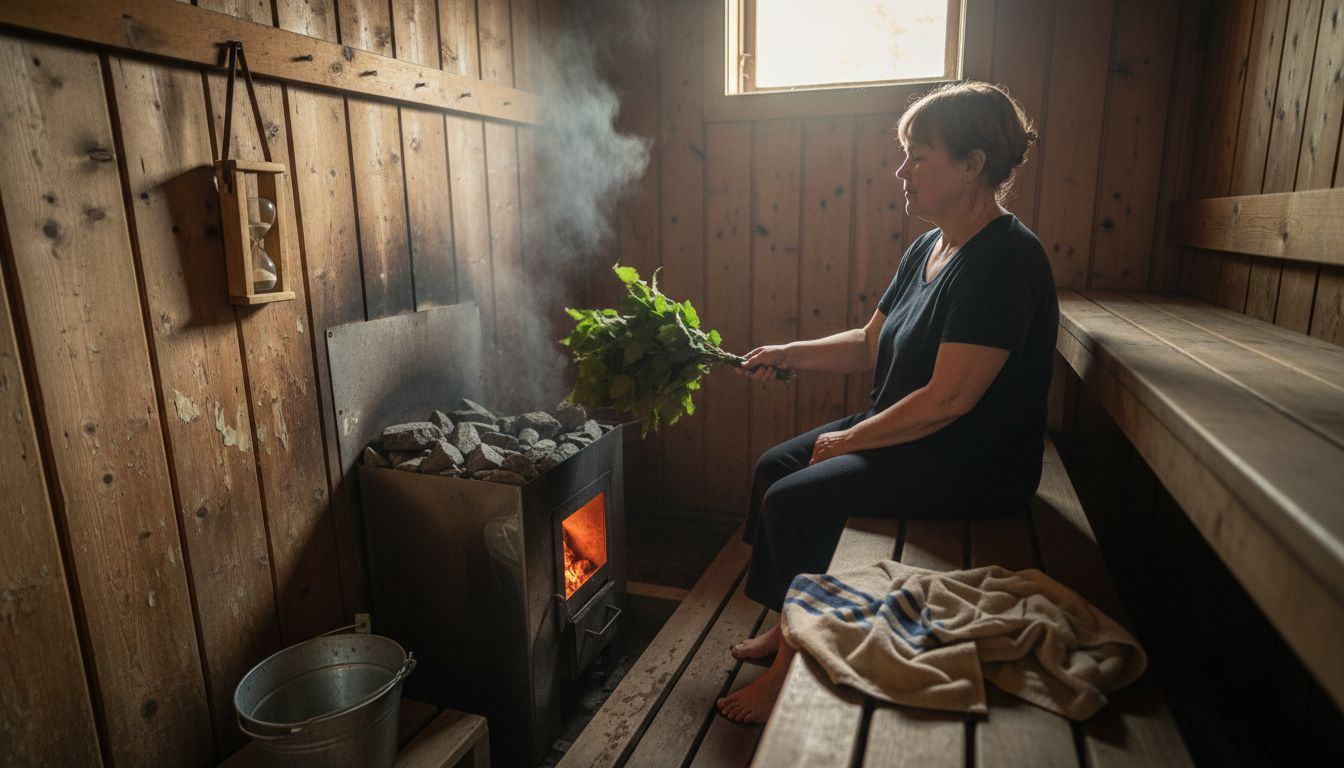
Pro tip: When designing or experiencing a traditional Finnish sauna, focus on natural materials, precise heat management, and creating an atmosphere of quiet introspection that honors centuries of cultural wisdom.
Exploring Types: Smoke, Wood-Burning, and Electric
Finnish sauna traditions encompass three distinct heating methods, each representing a unique approach to creating the quintessential thermal experience. These variations – smoke saunas, wood-burning saunas, and electric saunas – reflect the cultural evolution of Finnish thermal bathing practices, demonstrating how technological innovation can coexist with deeply rooted cultural traditions. Finnish wood craftsmanship plays a crucial role in maintaining the authenticity of these different sauna types.
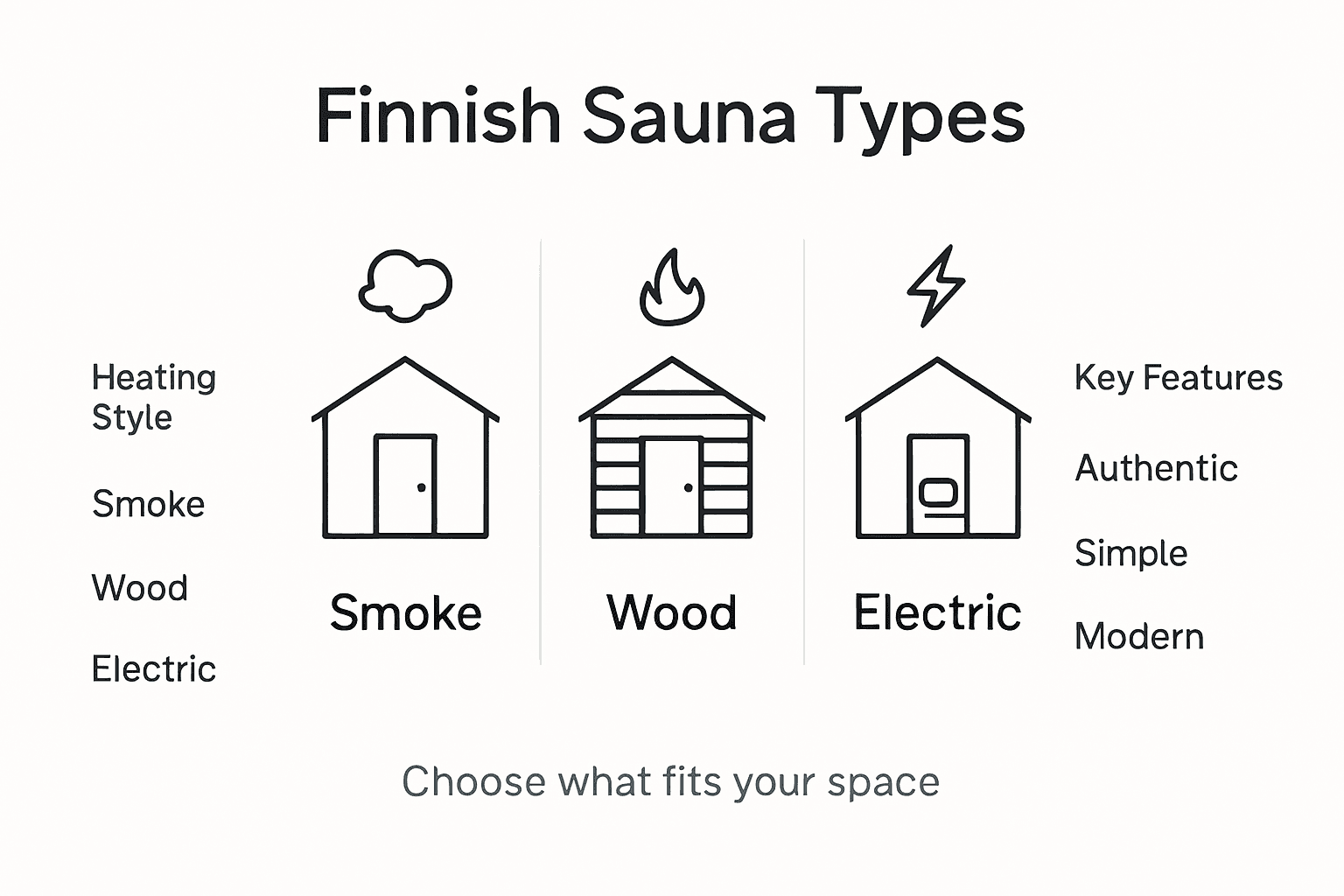
The smoke sauna (savusauna) represents the most traditional and archaic form, characterized by its chimney-free design where stones are heated directly by wood fire. This method creates a unique sensory experience, with smoke permeating the space before being completely ventilated, imparting a distinctive earthy aroma that connects users to ancient heating techniques. Wood-burning saunas evolved from this tradition, introducing a chimney system that allows for more controlled heat management and easier maintenance while preserving the fundamental ritual of stone heating.
Each sauna type offers unique characteristics:
Smoke Saunas:
- Most traditional heating method
- No chimney design
- Distinctive smoky aroma
- Requires significant preparation time
- Provides most authentic historical experience
Wood-Burning Saunas:
- Chimney-equipped stoves
- More controlled heat management
- Easier maintenance
- Closer to traditional experience
- Allows precise temperature regulation
Electric Saunas:
- Modern, convenient heating
- Quick temperature setup
- Suitable for urban environments
- Consistent heat distribution
- Minimal preparation required
Modern electric saunas represent technological adaptation while maintaining core cultural practices. These units offer unprecedented convenience, allowing urban dwellers and those with limited space to experience authentic Finnish sauna rituals. Despite technological differences, all three types share fundamental cultural elements – the emphasis on purification, relaxation, and communal bonding that defines the Finnish sauna experience.
Here’s a concise comparison of Finnish sauna heating methods, summarizing their distinct advantages and limitations:
| Sauna Type | Authenticity Level | Maintenance Needs | Best Setting |
|---|---|---|---|
| Smoke | Highest, deeply traditional | Complex cleaning and setup | Rural locations |
| Wood-Burning | Moderate, retains tradition | Regular wood supply, chimney care | Residential or cottage |
| Electric | Modern adaptation | Minimal, easy to operate | Urban apartments |
Pro tip: When choosing between sauna types, consider your available space, heating preferences, and commitment to traditional methods to select the most suitable Finnish sauna experience.
Health Benefits and Cultural Importance
The Finnish sauna transcends mere physical recreation, representing a profound intersection of health optimization and deep-rooted cultural practices. Finnish wood craftsmanship not only creates these therapeutic spaces but also embodies a holistic approach to wellness that integrates physical, mental, and social dimensions of human experience. Recent scientific research has substantiated what generations of Finns have intuitively understood – that regular sauna use offers remarkable physiological and psychological benefits.
Medical studies have revealed substantial cardiovascular advantages associated with consistent sauna bathing. Epidemiological research indicates significant reductions in cardiovascular disease risks, improved blood pressure regulation, and enhanced vascular health. The physiological responses triggered by intense heat exposure include:
- Improved circulation
- Enhanced cardiovascular performance
- Reduced inflammation markers
- Stress hormone regulation
- Accelerated metabolic processes
- Potential improvements in overall mortality rates
Beyond physical health, the sauna represents a critical social and cultural institution in Finnish society. It functions as a communal space that dissolves social hierarchies, facilitates intimate conversations, and provides a sanctuary for personal reflection. The ritual of sauna bathing embodies core Finnish values of equality, authenticity, and connection with both self and community. Whether in private homes, public facilities, or workplace settings, saunas serve as democratic spaces where social distinctions momentarily disappear.
The psychological benefits are equally compelling. Regular sauna sessions have been linked to significant stress reduction, improved mental clarity, and enhanced emotional well-being. The combination of heat, steam, and intentional relaxation creates a meditative environment that allows individuals to disconnect from external pressures and reconnect with their inner landscape. This holistic approach to wellness demonstrates how cultural practices can serve as powerful mechanisms for maintaining both physical and mental health.
For quick reference, here are major health and social benefits linked to regular Finnish sauna use:
| Benefit Category | Example Impact | Long-Term Value |
|---|---|---|
| Cardiovascular | Improved circulation | Lower heart disease risk |
| Psychological | Reduced stress levels | Enhanced mental clarity |
| Social | Stronger community bonds | Increased social equality |
Pro tip: Integrate sauna sessions gradually into your wellness routine, starting with shorter, lower-temperature experiences and progressively building tolerance to maximize both health benefits and cultural appreciation.
Construction Essentials and Finnish Wood Craftsmanship
Finnish wood craftsmanship represents an intricate art form that goes far beyond simple construction techniques, especially when applied to sauna design. Finnish wood craftsmanship transforms traditional building practices into a sophisticated approach that balances technical precision with deep cultural understanding. The selection of wood, construction methodology, and attention to thermal dynamics form a holistic process that elevates sauna building from mere structure to cultural expression.
The core principles of Finnish sauna construction revolve around several critical technical considerations. Wood selection plays a pivotal role, with preferred materials including spruce, cedar, and pine – each offering unique thermal properties and aesthetic qualities. The interior woodwork requires meticulous attention to grain direction, moisture content, and thermal conductivity. Key construction essentials include:
- Precise log and timber fitting
- Advanced thermal insulation techniques
- Strategic ventilation design
- Careful moisture management
- Heat-resistant material selection
- Structural integrity considerations
Beyond technical requirements, sauna construction integrates deep cultural understanding of thermal experiences. The stove placement, bench design, and overall spatial configuration reflect generations of accumulated knowledge about human comfort and heat dynamics. Professional builders must consider not just immediate construction needs, but also long-term performance, wood seasoning, and the subtle interactions between materials, heat, and human physiology.
Regulatory compliance represents another crucial aspect of modern sauna construction. Safety standards, electrical codes, and fire prevention requirements demand sophisticated engineering approaches. Contemporary sauna design must balance traditional craftsmanship with modern building regulations, integrating advanced technologies while preserving the authentic Finnish sauna experience. This requires a nuanced understanding of both historical construction techniques and current architectural standards.
Pro tip: When planning your sauna construction, prioritize quality wood selection and consult experienced Finnish craftsmen who understand the intricate balance between traditional techniques and modern building requirements.
Common Pitfalls and Central Europe Regulations
Sauna construction in Central Europe requires navigating a complex landscape of technical regulations and cultural adaptations that can challenge even experienced builders. Finnish wood craftsmanship provides a robust foundation, but successful implementation demands nuanced understanding of local building codes, safety standards, and electrical requirements specific to European construction practices.
The most critical regulatory considerations for sauna installations across Central Europe involve multiple technical domains. While traditional Finnish saunas might seem straightforward, European regulations introduce several specific compliance requirements:
Electrical Safety Considerations:
- CE marking compliance
- Mandatory electrical safety certifications
- Precise grounding and circuit protection requirements
- Specialized moisture-resistant electrical components
- Professional installation documentation
Structural Compliance Factors:
- Building permit prerequisites
- Thermal insulation standards
- Fire safety regulations
- Ventilation system specifications
- Load-bearing structural integrity checks
Most homeowners encounter significant challenges when attempting to replicate authentic Finnish sauna designs without understanding local regulatory landscapes. EU regulations, particularly those governing electrical installations and building safety, can differ dramatically from traditional Finnish construction practices. Specific pitfalls often include inadequate moisture protection, improper electrical wiring, insufficient ventilation design, and lack of proper thermal insulation documentation.
Technical compliance extends beyond mere construction techniques. Professional builders must demonstrate comprehensive understanding of energy efficiency standards, safety protocols, and specialized documentation requirements. While traditional sauna stoves might be exempt from certain energy labeling requirements, installed heating devices must meet stringent CE marking and electrical safety standards applicable across Central European jurisdictions.
Pro tip: Always consult local building authorities and engage certified professionals who understand both Finnish sauna traditions and specific Central European regulatory requirements before commencing your sauna construction project.
Experience Authentic Finnish Sauna Craftsmanship Today
Understanding the true essence of a Finnish sauna means appreciating the intricate balance of traditional wood craftsmanship, precise heat management, and cultural heritage that transforms a sauna into a sanctuary for wellness and connection. If you are passionate about creating this authentic experience at your home or cottage, Huvila Seppälä is here to guide you through every step of the journey.
With over 65 years of expertise in Finnish timber frame and log construction, Huvila Seppälä offers custom-designed saunas made from premium Finnish wood that honor the rituals and technical demands detailed in the Finnish sauna tradition. Whether you desire a smoke sauna, wood-burning, or electric option, their solutions ensure durable, elegant structures built for optimal performance and cultural authenticity. Visit Huvila Seppälä now to explore how you can bring this holistic, health-enhancing sauna experience to life with transparent quotations, fast delivery, and expert support tailored to your personal plans.
Frequently Asked Questions
What are the main elements that define a Finnish sauna experience?
The Finnish sauna experience is defined by its ritualistic steam generation, community bonding, respect for natural materials, personal reflection, and harmony with nature. These elements transform the sauna into a sacred space for physical and spiritual renewal.
What are the different types of Finnish saunas and how do they differ?
There are three main types of Finnish saunas: smoke saunas, wood-burning saunas, and electric saunas. Smoke saunas are traditional with no chimney and have a smoky aroma. Wood-burning saunas have a chimney for better heat control, while electric saunas offer modern convenience with quick heating and minimal maintenance.
What are the health benefits of using a Finnish sauna?
Finnish saunas offer numerous health benefits, including improved circulation, reduced cardiovascular disease risk, stress reduction, and enhanced mental clarity. Regular sauna use promotes overall wellness by creating a meditative environment that aids in physical and psychological recovery.
What are the key considerations when constructing a Finnish sauna?
Key considerations for constructing a Finnish sauna include selecting high-quality wood (such as spruce or cedar), ensuring proper thermal insulation, careful ventilation design, and compliance with local building regulations. Understanding both traditional craftsmanship and modern safety standards is essential for an effective sauna build.
Recommended
- Hirsisaunan Suunnitteluperusteet: Kaikki oleellinen tieto – Huvila Seppälä
- Hirsisaunan rakentaminen itse – vaihe vaiheelta onnistuneesti – Huvila Seppälä
- Hirsisaunan rakentaminen vaihe vaiheelta – onnistunut lopputulos – Huvila Seppälä
- Mökkirakentaminen Explained: Hyödyt, Vaihtoehdot ja Vinkit – Huvila Seppälä