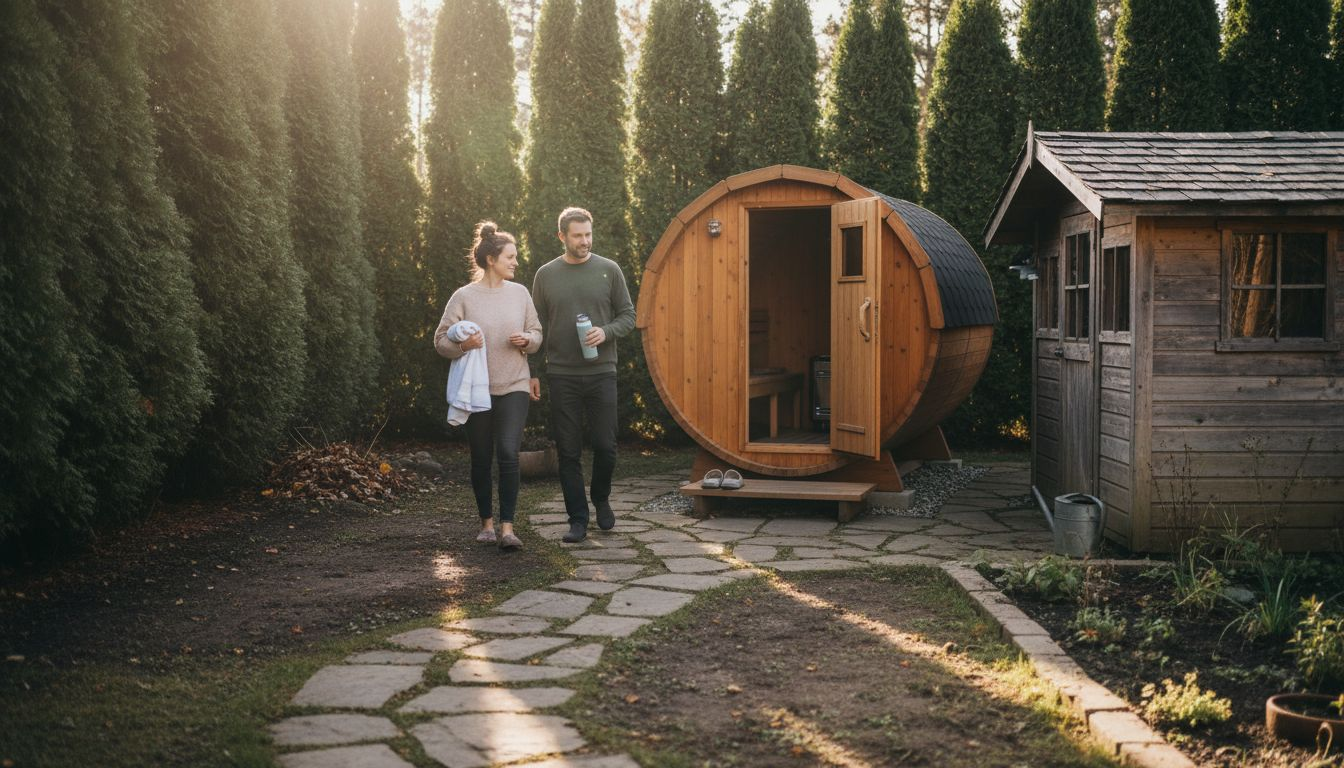
Why Invest in Outdoor Saunas for Wellness and Value
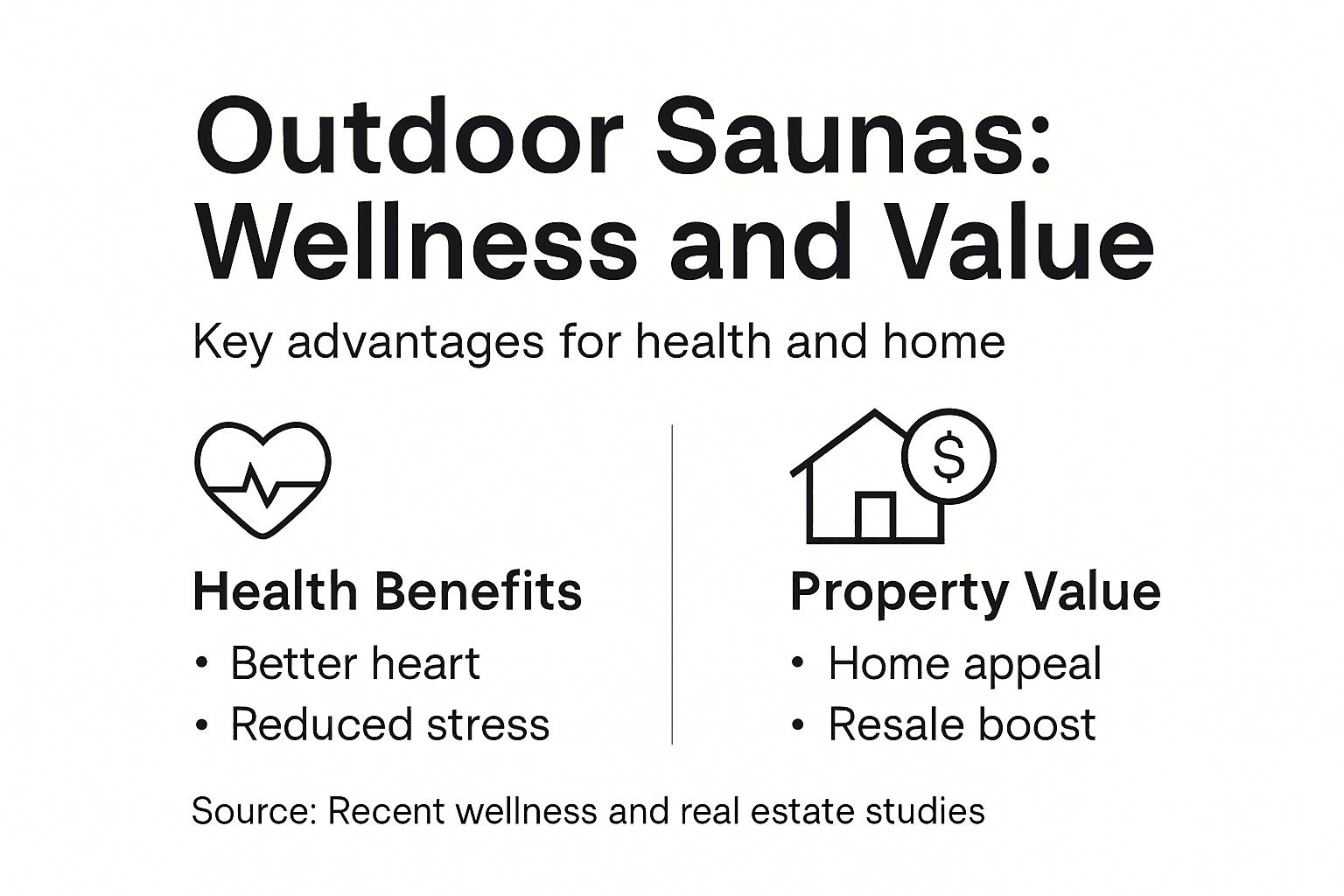
Most American sauna innovations have inspired European homeowners to rethink outdoor wellness spaces. Creating a custom-built outdoor sauna adds both value and relaxation to your property. Scientific studies show that well-designed saunas can help lower cardiovascular risk and improve overall well-being. This guide breaks down the essentials, clears up common myths, and highlights the unique features that set outdoor saunas apart for Central European families seeking premium craftsmanship and fast delivery.
Table of Contents
- Outdoor Saunas Defined And Common Myths
- Types Of Outdoor Saunas And Materials
- Health, Relaxation, And Lifestyle Benefits
- Installation Requirements And Customization Options
- Maintenance, Durability, And Cost Factors
- Comparing Outdoor Saunas To Indoor Options
Key Takeaways
| Point | Details |
|---|---|
| Health Benefits | Regular use of outdoor saunas can improve cardiovascular health, reduce stress, and enhance overall well-being. |
| Types of Saunas | The main types include traditional dry saunas, infrared saunas, and steam rooms, each offering unique therapeutic experiences. |
| Installation Considerations | Proper site selection, technical guidelines, and professional installation are critical for optimal sauna performance and user safety. |
| Maintenance Importance | Ongoing maintenance and high-quality materials enhance longevity and performance, making initial investment more cost-effective in the long run. |
Outdoor Saunas Defined and Common Myths
Outdoor saunas represent a specialized wellness structure designed for heat therapy and relaxation, typically constructed as standalone wooden buildings located exterior to primary residential spaces. These specialized rooms generate intense dry heat through specialized heating elements, allowing users to experience therapeutic temperature exposure in a controlled environment. Outdoor configurations offer unique advantages over indoor installations, providing enhanced privacy and a direct connection with natural surroundings.
Understanding the fundamental characteristics of outdoor saunas requires dispelling several prevalent myths. Many people mistakenly believe saunas are unsafe or pose significant health risks, when scientific research suggests quite the opposite. Finnish sauna traditions demonstrate that regular heat therapy can provide substantial wellness benefits when practiced responsibly. Medical research indicates that controlled sauna sessions can potentially lower cardiovascular risks, improve lung function, manage chronic pain, and even contribute to reduced dementia probability.
Typical outdoor sauna configurations include dry and wet heat variants, each offering distinct therapeutic experiences. Dry saunas generate consistent heat through electric or wood-fired heaters, maintaining low humidity levels, while wet saunas allow users to control moisture by strategically adding water to heated stones. The key distinction lies in temperature management and personal comfort preferences. Temperatures typically range between 150-195 degrees Fahrenheit, with most users finding optimal benefits around 170-180 degrees.
Designing an effective outdoor sauna requires careful consideration of several critical factors. These include proper ventilation, heat-resistant materials, robust insulation, and strategic placement within outdoor living spaces. Homeowners should prioritize professional installation to ensure safety, structural integrity, and optimal performance. Understanding local building codes and potential zoning restrictions is equally important before committing to an outdoor sauna project.
Pro tip: Always consult with a healthcare professional before beginning any new heat therapy regimen, especially if you have preexisting cardiovascular conditions or medical sensitivities.
Types of Outdoor Saunas and Materials
Outdoor saunas feature diverse configurations that cater to different preferences and wellness goals, with each type offering unique heating technologies and material compositions. The primary categories include traditional dry saunas, infrared saunas, and steam rooms, each designed to provide therapeutic heat experiences through specialized construction techniques. Common sauna building materials play a critical role in determining the performance, durability, and overall user experience of these wellness structures.
Traditional dry saunas represent the most classic outdoor sauna design, typically constructed using heat-resistant wooden interiors like cedar, pine, or hemlock. These structures utilize stone or electric heaters that generate intense dry heat, allowing temperatures to reach 150-195 degrees Fahrenheit. Infrared saunas offer a more modern alternative, using specialized light wave technologies that directly warm the body at lower ambient temperatures, creating a different therapeutic experience compared to traditional configurations.
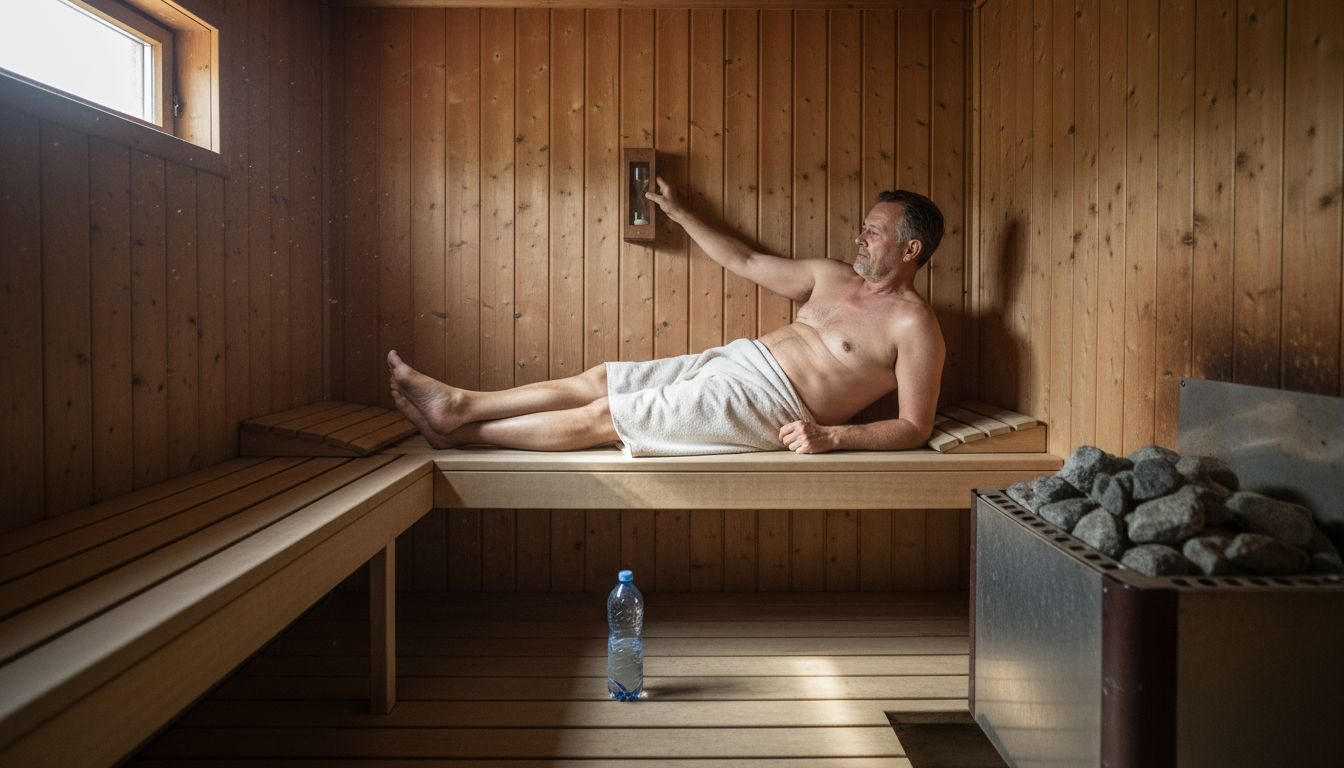
Material selection becomes paramount when designing outdoor saunas, as the components must withstand significant temperature fluctuations and moisture exposure. Ideal materials demonstrate exceptional heat conductivity, resistance to warping, and minimal heat transfer properties. Wood remains the primary construction material, with species like western red cedar and Nordic spruce providing natural insulation, aesthetic appeal, and inherent moisture resistance. Additional considerations include bench materials, door construction, and external weatherproofing techniques that ensure long-term structural integrity.
Beyond material composition, outdoor sauna design involves strategic planning for ventilation, heat distribution, and user comfort. Proper airflow management prevents moisture buildup and ensures a consistent heating environment. Homeowners should consider factors like bench layout, window placement, and exterior positioning to maximize the wellness potential of their outdoor sauna installation. Professional consultation can help navigate the complex considerations of material selection, structural design, and optimal performance.
Here’s how the main types of outdoor saunas compare:
| Sauna Type | Heating Method | Temperature Range | Unique Benefit |
|---|---|---|---|
| Traditional Dry | Electric or wood-fired | 150-195°F | Classic Finnish heat experience |
| Infrared | Infrared light panels | 120-150°F | Direct body heating, gentle feel |
| Steam Room | Steam generator | 110-120°F | High humidity, mild heat |
Pro tip: Invest in high-quality, sustainably sourced wood materials and prioritize professional installation to ensure your outdoor sauna delivers maximum durability and therapeutic benefits.
Health, Relaxation, and Lifestyle Benefits
Outdoor saunas offer a comprehensive approach to wellness that extends far beyond simple heat exposure, delivering profound physiological and psychological benefits. Sauna planning strategies reveal that consistent heat therapy can dramatically transform personal health and lifestyle experiences. Scientific research demonstrates that regular sauna sessions can significantly improve cardiovascular function, reduce stress levels, and enhance overall mental and physical well-being through carefully controlled thermal experiences.
Cardiovascular health represents one of the most compelling benefits of consistent sauna use. Longitudinal studies of Finnish populations have revealed remarkable correlations between frequent sauna bathing and reduced mortality rates, with participants experiencing lower risks of fatal heart conditions. The physiological mechanisms involve complex cardiovascular adaptations, including improved blood vessel function, reduced blood pressure, and enhanced circulatory efficiency. These thermal sessions effectively function as passive cardiovascular exercise, increasing heart rate and promoting internal metabolic responses similar to moderate physical activity.
Beyond physical health, outdoor saunas provide substantial mental wellness advantages. The controlled heat environment triggers powerful stress reduction mechanisms, releasing endorphins and promoting deep relaxation. Regular sauna use has been linked to improved sleep quality, reduced chronic pain symptoms, and enhanced mental clarity. The ritualistic nature of sauna experiences also contributes to psychological well-being, offering a dedicated space for mindfulness, meditation, and personal reflection away from daily technological interruptions and environmental stressors.
The lifestyle benefits of outdoor saunas extend into social and performance domains, particularly for athletes and fitness enthusiasts. Research indicates that post-exercise sauna bathing can increase blood plasma volume, improve endurance performance, and accelerate recovery processes. Moreover, these wellness spaces become social gathering points, facilitating meaningful connections and providing a unique environment for relaxation and interpersonal interaction. The holistic impact transcends mere physical treatment, creating a comprehensive wellness experience that integrates health, relaxation, and personal rejuvenation.
Pro tip: Develop a consistent sauna routine by starting with shorter sessions and gradually increasing duration, always listening to your body and staying hydrated throughout the experience.
Installation Requirements and Customization Options
Successful outdoor sauna installation requires meticulous planning and adherence to specific technical and regulatory guidelines. Building a sauna involves complex considerations that extend beyond simple construction, encompassing structural integrity, local building codes, and personalized design preferences. Homeowners must navigate a comprehensive landscape of technical requirements, spatial considerations, and customization options to create a functional and enjoyable wellness space.
The foundational elements of outdoor sauna installation begin with precise site selection and preparation. Critical factors include ground levelness, proximity to primary residential structures, drainage capabilities, and adequate electrical infrastructure. Recommended installation locations typically provide privacy, protection from extreme weather conditions, and convenient access. Customization options range from compact single-user designs to expansive multi-person configurations, with bench layouts, heating technologies, and interior finishes tailored to individual preferences and spatial constraints.
Accessibility and safety represent paramount considerations during sauna design and installation. Regulatory guidelines mandate specific dimensional requirements, including minimum bench sizes, door width specifications, and ventilation standards. Professional installers must ensure compliance with local building codes, implement appropriate electrical connections, and design user-friendly control interfaces. Customization opportunities include adjustable bench heights, varied seating arrangements, integrated lighting systems, and temperature control mechanisms that accommodate diverse user needs and preferences.
Technical infrastructure demands careful evaluation before final installation. Electrical requirements typically involve dedicated 220-240 volt circuits, specialized wiring configurations, and professional-grade heating elements compatible with outdoor environments. Structural considerations include robust foundation preparations, weatherproofing techniques, and thermal insulation strategies that protect the sauna from environmental variables. Homeowners should prioritize professional consultation to navigate the intricate balance between personalized design aesthetics and functional performance standards.
Pro tip: Consult a certified sauna installation professional to conduct a comprehensive site assessment and ensure your outdoor sauna meets all local building regulations and safety standards.
Maintenance, Durability, and Cost Factors
The long-term value of an outdoor sauna depends critically on strategic maintenance planning and understanding the nuanced relationship between initial investment and ongoing preservation. Sauna planning strategies emphasize that proactive maintenance can dramatically extend equipment lifespan and protect substantial financial investments. Homeowners must consider comprehensive cost factors that extend beyond initial purchase price, encompassing material durability, maintenance requirements, and potential long-term performance degradation.
Wooden structures demand specialized maintenance approaches to withstand environmental challenges. Pressure-treated wood technologies can provide exceptional durability, with high-quality installations potentially lasting over 50 years under proper care. Critical maintenance elements include regular wood sealing, protecting against moisture intrusion, managing UV exposure, and addressing potential structural vulnerabilities. Annual inspection cycles should focus on checking structural integrity, examining wood surfaces for potential rot or degradation, verifying electrical systems, and assessing heating element performance.
Cost considerations for outdoor saunas involve complex calculations beyond initial purchase price. Homeowners should anticipate expenses including initial construction, ongoing maintenance materials, potential repair costs, and operational electricity consumption. Typical maintenance budgets might range between 2-5% of the original installation cost annually, with variables depending on geographic location, material quality, and environmental exposure. Factors influencing long-term expenses include wood treatment quality, heating system efficiency, insulation standards, and the sophistication of original construction techniques.
Economic value emerges from understanding the lifecycle costs associated with outdoor sauna ownership. Professional-grade installations utilizing high-quality materials and advanced construction techniques might require higher upfront investments but deliver superior long-term performance and reduced maintenance expenses. Comparative analysis suggests that investing in premium materials and professional installation can reduce overall lifetime costs by minimizing repair frequency and extending functional lifespan. Homeowners should prioritize quality over immediate price considerations, recognizing that strategic initial investments translate into substantial long-term savings.
Below is a summary of key cost and maintenance considerations for outdoor saunas:
| Cost/Maintenance Factor | Impact on Ownership | Typical Range |
|---|---|---|
| Initial Construction Cost | Largest upfront investment | $3,000–$15,000+ |
| Annual Maintenance Budget | Ongoing wood treatments, checks | 2–5% of install cost |
| Lifespan with Good Maintenance | Extended value, less frequent repair | Up to 50+ years |
| Long-Term Savings Potential | High with quality materials | Lower overall repair costs |
Pro tip: Develop a comprehensive maintenance log tracking annual inspections, treatment applications, and repair history to optimize your sauna’s performance and preserve its financial value.
Comparing Outdoor Saunas to Indoor Options
Choosing between outdoor and indoor saunas involves carefully evaluating lifestyle preferences, spatial constraints, and wellness objectives. Sauna cottage design considerations reveal that each configuration offers distinct advantages tailored to different user needs. The fundamental difference lies not just in physical location, but in the holistic experience and integration with personal living spaces.
Outdoor saunas provide a unique immersive experience, connecting users directly with natural environments. They offer enhanced privacy, panoramic views, and a sense of retreat that indoor installations cannot replicate. Architectural flexibility allows outdoor saunas to be positioned strategically to maximize scenic views, create private wellness sanctuaries, and integrate seamlessly with landscaping designs. Indoor saunas, conversely, deliver consistent climate control, immediate accessibility, and reduced weather-related maintenance requirements.
Performance characteristics demonstrate remarkable similarities in core health benefits across both outdoor and indoor sauna configurations. Physiological responses such as cardiovascular improvement, stress reduction, and metabolic enhancement remain consistent regardless of installation type. The primary differentiators emerge in installation complexity, initial investment, and long-term maintenance considerations. Outdoor saunas typically require more robust construction techniques to withstand environmental variables, while indoor options benefit from controlled ambient conditions and simplified infrastructure requirements.
Economic and practical considerations further distinguish these sauna types. Outdoor saunas often represent a more significant initial investment but can potentially increase property value and provide a distinctive architectural feature. Indoor saunas offer more predictable installation parameters and year-round usability. Geographic location, local climate patterns, and personal property characteristics will ultimately guide the most appropriate selection for individual wellness goals.
Pro tip: Conduct a comprehensive site assessment of your property to determine whether outdoor or indoor sauna installation will best suit your specific environmental conditions and lifestyle requirements.
Unlock Wellness and Value with Custom Outdoor Saunas
Investing in an outdoor sauna is more than a purchase—it’s a commitment to your health and lifestyle improvements backed by authentic Finnish craftsmanship. The article highlights key challenges such as selecting durable, heat-resistant materials and navigating installation requirements. Many desire a personalized wellness retreat that blends seamlessly with nature while offering long-lasting value. You want a beautifully designed sauna that provides proven cardiovascular and relaxation benefits without compromising structural integrity or aesthetic appeal.
Huvila Seppälä’s expertise in crafting custom timber frames and log structures delivers exactly that. With over 65 years of experience, they specialize in creating outdoor saunas from premium Finnish wood tailored to your individual design preferences. Their transparent quoting process and fast delivery simplify complex sauna projects. Enjoy peace of mind knowing your sauna meets strict quality standards and local building codes.
Start transforming your outdoor space into a rejuvenating sanctuary today.
Experience the perfect balance of health, durability, and timeless design with Huvila Seppälä’s outdoor saunas. Explore more about custom log structures to complement your home and discover how we can bring your sauna vision to life. Contact us now to request a personalized offer and take the first step toward enhancing your wellbeing and property value.
Frequently Asked Questions
What are the health benefits of using an outdoor sauna?
Using an outdoor sauna regularly can improve cardiovascular health, enhance lung function, reduce stress levels, manage chronic pain, and even lower the risk of dementia, according to scientific research.
How do outdoor saunas differ from indoor saunas in terms of user experience?
Outdoor saunas offer enhanced privacy, a connection to nature, and more architectural flexibility for scenic placements, while indoor saunas provide consistent climate control and immediate accessibility.
What materials are commonly used in the construction of outdoor saunas?
Ideal materials for outdoor saunas include heat-resistant woods such as cedar, pine, or hemlock, which provide natural insulation, aesthetics, and resistance to moisture.
What factors should I consider when planning for outdoor sauna installation?
Consider site selection, local building codes, necessary electrical infrastructure, ventilation, and customization options like bench layout and heating technologies to ensure a successful installation.
Recommended
- Why Build a Sauna Cottage: Health, Value, and Style – Huvila Seppälä
- What Is a Finnish Sauna and Why It Matters – Huvila Seppälä
- 7 Essential Sauna Planning Tips for Your Dream Retreat – Huvila Seppälä
- Building a Sauna Explained: Custom Timber Solutions – Huvila Seppälä