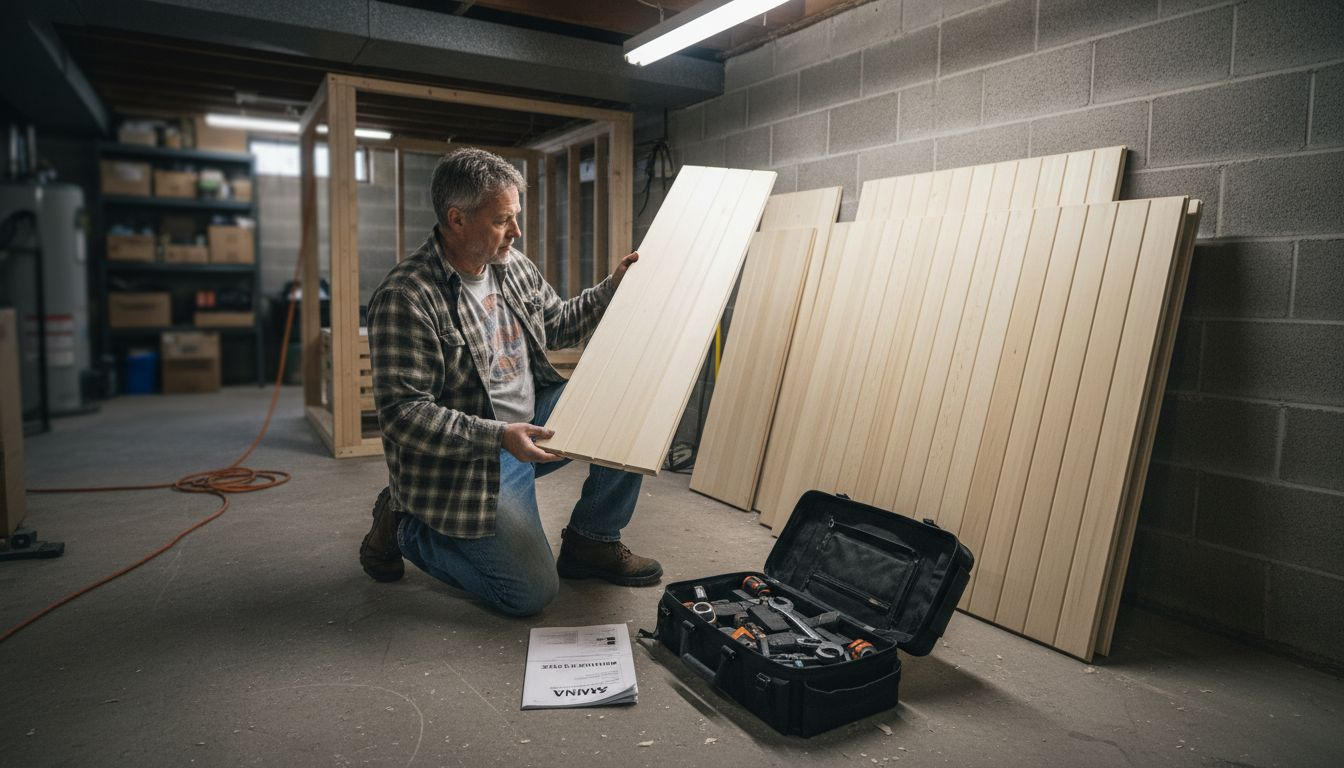
Sauna Kit Essentials: What Every Buyer Should Know
Choosing the right sauna kit can be confusing for Central European homeowners dreaming of a custom outdoor retreat. With so many options promising comfort and wellness, it is easy to overlook what truly matters for lasting warmth and enjoyment. This guide clarifies key differences between sauna kit types, essential features, and smart planning steps so you can build a functional, authentic sauna while staying on budget.
Table of Contents
- Defining A Sauna Kit And How It Works
- Types Of Sauna Kits: Precut, Prefab, Infrared
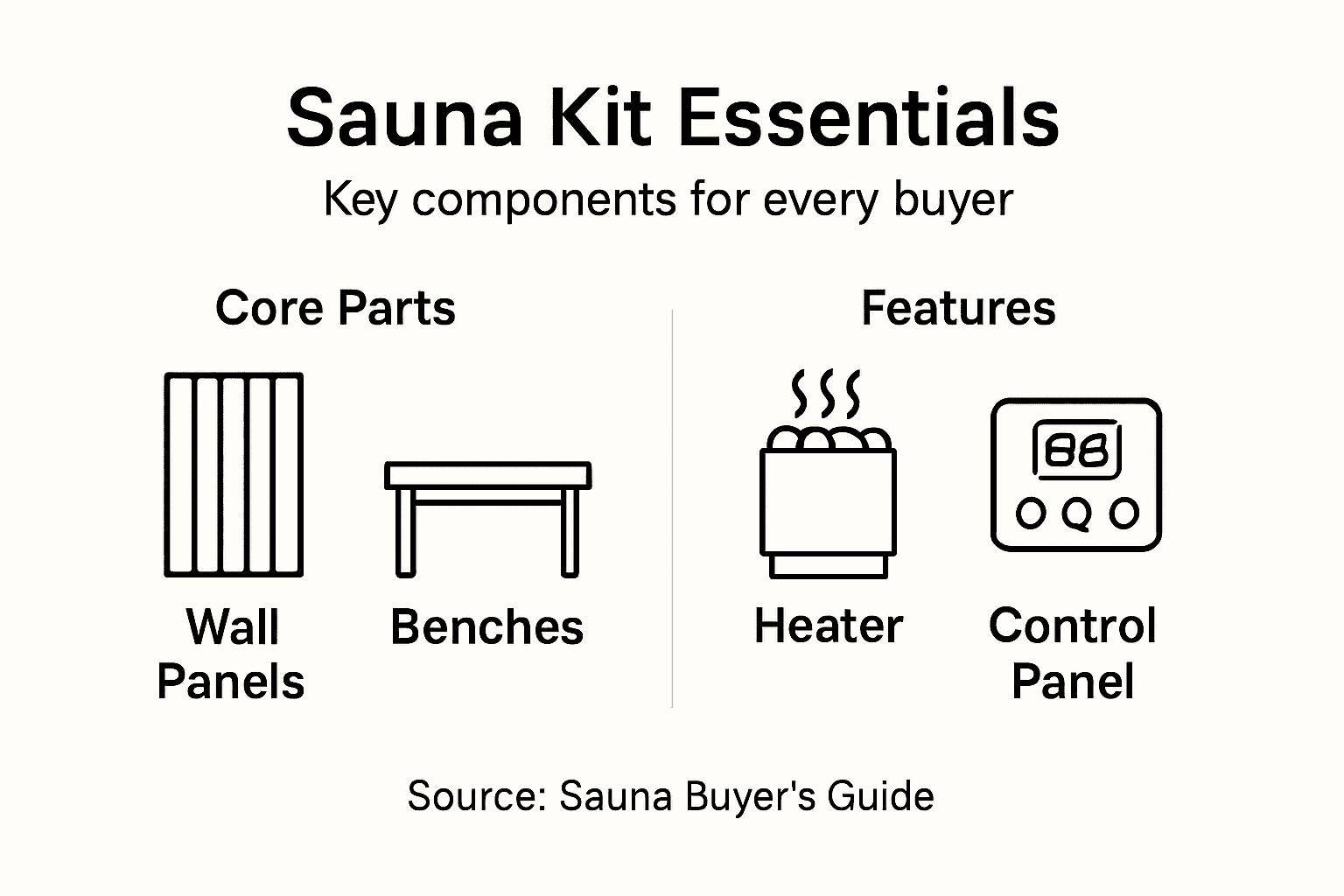
- What’s Included In A Quality Sauna Kit
- Installation Process And Site Requirements
- Cost Factors And Budgeting Considerations
- Common Mistakes When Choosing A Sauna Kit
Key Takeaways
| Point | Details |
|---|---|
| Understanding Sauna Kits | Sauna kits include essential components to create a personal sauna, emphasizing proper heat distribution and ventilation for effective use. |
| Types of Sauna Kits | Choose between precut, prefabricated, or infrared sauna kits based on technical skill, installation preferences, and desired thermal experiences. |
| Installation Requirements | Proper site preparation, including height, flooring, and electrical capacity, is crucial for successful sauna installation. |
| Cost Considerations | Budget for not only the kit price but also for installation, electrical upgrades, and potential ongoing operational costs. |
Defining a Sauna Kit and How It Works
A sauna kit represents a comprehensive package containing pre-engineered components designed to help homeowners create a functional and comfortable personal sauna space. These carefully crafted collections typically include essential structural elements like walls, benches, insulation materials, and heating systems that work together to transform an ordinary room into a relaxing wellness environment.
At its core, a sauna kit functions through strategic heat generation and circulation. The heating mechanism – whether electric or wood-burning – raises room temperatures between 150 to 195 degrees Fahrenheit, creating an environment that induces controlled sweating and promotes physiological relaxation. Proper Finnish sauna design principles emphasize even heat distribution and appropriate ventilation as critical factors in achieving an authentic bathing experience.
The components within a typical sauna kit generally include:
- Prefabricated wall panels with thermal insulation
- Wooden benches constructed from heat-resistant materials
- Electric or wood-fired heater
- Stones for generating steam
- Ventilation components
- Door and framing system
- Electrical and mounting hardware
Understanding the intricate details of a sauna kit allows homeowners to make informed decisions about their wellness investment. Each component plays a strategic role in creating a comfortable, functional space that replicates traditional Finnish bathing practices while meeting modern performance standards.
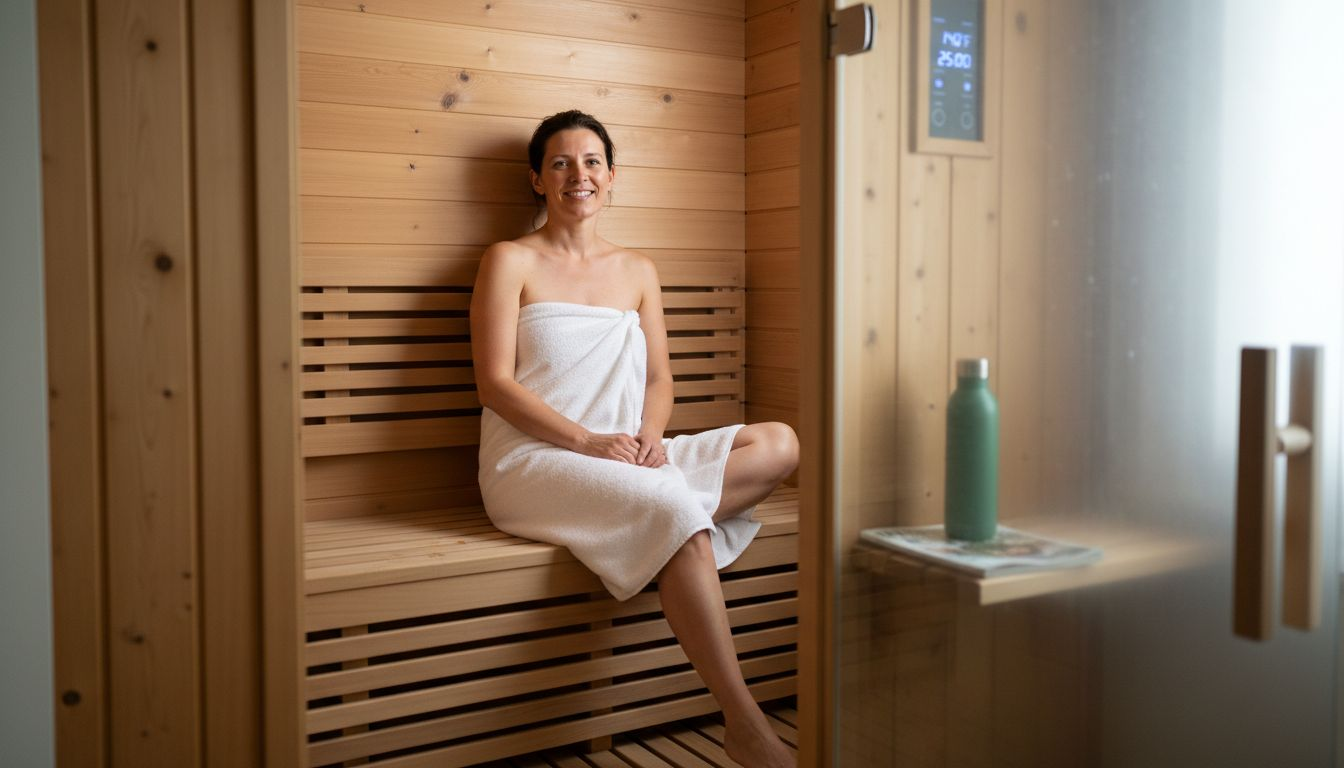
Pro tip: When selecting a sauna kit, prioritize materials that provide superior thermal retention and moisture resistance, such as cedar or Nordic spruce wood varieties commonly used in high-quality Finnish designs.
Types of Sauna Kits: Precut, Prefab, Infrared
Sauna kits come in three primary configurations, each designed to meet different homeowner needs and skill levels: precut, prefabricated (prefab), and infrared. These distinct types offer varying levels of complexity, installation requirements, and thermal experiences, allowing buyers to select an option that best matches their technical expertise, space constraints, and wellness objectives.
The precut sauna kit represents the most traditional approach, requiring intermediate carpentry skills and offering maximum customization. These kits include precisely measured lumber and components that homeowners can assemble in custom spaces, making them ideal for renovation projects or unique room configurations. Building a custom sauna demands careful planning and precise execution to ensure proper thermal performance and structural integrity.
In contrast, prefabricated sauna kits provide a more straightforward installation experience. These modular systems arrive largely assembled, dramatically reducing construction time and complexity. Prefab options typically include:
- Complete wall panels
- Pre-installed insulation
- Integrated electrical systems
- Standard bench configurations
- Standardized door and window placements
The infrared sauna kit represents a modern alternative to traditional Finnish sauna designs. Instead of heating the surrounding air, infrared models use electromagnetic waves to directly warm the body, operating at lower temperatures between 110 to 130 degrees Fahrenheit. While providing a different physiological experience, infrared saunas appeal to individuals seeking gentler heat therapy and easier home installation.
Pro tip: Carefully assess your technical skills, available space, and desired sauna experience before selecting a kit type, as each configuration demands unique installation approaches and offers distinct thermal characteristics.
Here’s a side-by-side look at the three main types of sauna kits:
| Sauna Kit Type | Typical Installation Time | Heat Source | Best For |
|---|---|---|---|
| Precut | 2-4 days | Electric or wood | Custom spaces, skilled DIY |
| Prefabricated (Prefab) | 1-2 hours | Electric or wood | Quick setups, small spaces |
| Infrared | Under 1 hour | Infrared panels | Gentle heat, easy install |
What’s Included in a Quality Sauna Kit
A quality sauna kit represents more than just a collection of wooden components – it’s a carefully engineered system designed to deliver an authentic and comfortable thermal experience. These comprehensive packages combine structural elements, heating technologies, and essential accessories to transform an ordinary space into a functional wellness retreat.
The core structural components of a superior sauna kit typically include precisely engineered materials that ensure thermal performance and durability. Critical elements encompass:
- High-grade insulated wall panels
- Moisture-resistant vapor barriers
- Strategically designed wooden benches
- Precision-cut flooring materials
- Structural framing components
Heating systems represent the heart of any sauna kit, with professional-grade options featuring UL-listed electric or wood-burning heaters calibrated to specific room volumes. These sophisticated heating units are engineered to distribute warmth evenly, maintaining consistent temperatures between 150 to 195 degrees Fahrenheit. Advanced kits include additional thermal management features like adjustable temperature controls, integrated stone compartments for steam generation, and strategic air circulation mechanisms.
Beyond structural and heating components, comprehensive sauna kits also include critical accessories that enhance the bathing experience. These supplementary items typically feature:
- Wooden bucket and ladle for generating steam
- Precise room thermometer
- Humidity measuring hygrometer
- Comfortable headrest and backrest options
- Optional changing area components
- Electrical connection hardware
Pro tip: Inspect each sauna kit’s component list meticulously, ensuring all essential elements are included and compatible with your specific installation environment.
Installation Process and Site Requirements
Successful sauna installation begins with meticulous site preparation and strategic planning. Selecting the right location involves more than finding an empty space – it requires carefully evaluating multiple critical factors that impact the sauna’s functionality, safety, and long-term performance.
Key site requirements for sauna installation encompass several fundamental considerations:
- Minimum ceiling height of 7 feet
- Level and water-resistant flooring
- Proximity to shower or cooling areas
- Adequate electrical panel capacity
- Proper ventilation and air circulation
- Protection from direct moisture exposure
The electrical infrastructure demands particular attention, with professional electricians required to assess and potentially upgrade your home’s electrical system. Sauna kits typically require dedicated 220-240 volt circuits, ensuring sufficient power for heaters that generate temperatures between 150 to 195 degrees Fahrenheit. Proper grounding and circuit protection are non-negotiable safety requirements that prevent potential electrical hazards.
Structural considerations extend beyond electrical requirements. The installation surface must provide stable, level support, with recommendations for concrete slabs, reinforced wooden platforms, or professionally prepared subfloors. Thermal and moisture barriers are critical, protecting surrounding structures from heat transfer and condensation. Proper insulation techniques, including strategically placed vapor barriers, prevent moisture damage and maintain optimal internal temperature conditions.
Pro tip: Consult a licensed electrician and building professional before installation to verify your specific site meets all structural, electrical, and safety requirements for sauna implementation.
Cost Factors and Budgeting Considerations
Budgeting for a sauna kit involves understanding the complex interplay of multiple financial factors that extend far beyond the initial purchase price. Comprehensive sauna planning requires homeowners to evaluate not just the kit’s cost, but the entire ecosystem of expenses associated with creating a functional wellness space.
The primary cost components of a sauna investment typically break down into several key categories:
- Base kit pricing ($1,500 – $10,000)
- Electrical system upgrades
- Site preparation and flooring modifications
- Professional installation services
- Ventilation and insulation expenses
- Ongoing maintenance and operational costs
- Potential building permit fees
Material selection dramatically influences overall project expenses, with wood choices ranging from budget-friendly pine to premium cedar and exotic hardwoods. Electric sauna heaters generally range from $500 to $2,500, while wood-burning options can cost between $1,000 and $3,500. Additional features like glass doors, advanced lighting systems, and integrated sound equipment can quickly escalate total project costs by 20% to 40%.
Beyond initial installation, homeowners must consider long-term operational expenses. Electric saunas typically consume between 3-6 kilowatts per hour, translating to approximately $0.30 to $0.60 in electricity costs per session. Wood-burning options have different cost structures, requiring ongoing fuel purchases and more intensive maintenance. Potential energy efficiency upgrades, such as enhanced insulation or smart temperature controls, can help mitigate these recurring expenses while improving overall sauna performance.
Pro tip: Create a comprehensive spreadsheet tracking all potential expenses, including hidden costs like electrical upgrades and potential structural modifications, to develop a realistic and accurate budget for your sauna project.
To help with budgeting, see how major cost factors compare:
| Expense Type | Typical Range | Notes |
|---|---|---|
| Sauna kit base price | $1,500–$10,000 | Varies by size, wood, and features |
| Electric heater | $500–$2,500 | Higher wattage costs more |
| Wood-burning heater | $1,000–$3,500 | Requires chimney and ventilation |
| Installation services | $800–$2,500 | Depends on labor and site prep |
| Operational cost per session | $0.30–$0.60 | Electric only, wood varies with fuel |
Common Mistakes When Choosing a Sauna Kit
Homeowners often underestimate the complexity of selecting the right sauna kit, leading to costly and frustrating installation experiences. Careful planning and professional guidance can help avoid critical errors that compromise the functionality and enjoyment of your wellness investment.
The most prevalent mistakes in sauna kit selection typically involve critical dimensional and technical miscalculations:
- Choosing an incorrectly sized sauna for available space
- Neglecting proper room height requirements
- Selecting inadequately powered heating systems
- Overlooking essential ventilation infrastructure
- Underestimating electrical system compatibility
- Ignoring thermal insulation requirements
Heating system selection represents a particularly nuanced decision point. Many buyers mistakenly select heaters without carefully considering room volume, ceiling height, and intended usage patterns. Electric heaters must be precisely matched to cubic footage, while wood-burning options demand specific clearance and ventilation considerations. Improper heater sizing can result in inefficient thermal performance, excessive energy consumption, and an unsatisfactory sauna experience that fails to deliver the expected health and relaxation benefits.
Structural and design considerations extend beyond technical specifications. Bench height, wood material selection, and interior layout significantly impact user comfort and overall sauna performance. Poorly designed bench configurations can create uneven heat distribution, leaving some areas uncomfortably cold while others become excessively hot. Wood selection matters tremendously, with some materials providing superior heat retention and moisture resistance compared to budget alternatives.
Pro tip: Consult a professional sauna specialist before finalizing your kit selection to ensure compatibility with your specific installation environment and performance expectations.
Build Your Dream Sauna with Authentic Finnish Craftsmanship
Selecting the right sauna kit can feel overwhelming with so many technical details like heater sizing, insulation, and wood choice to consider. If you want to avoid common mistakes such as improper ventilation or underpowered heating systems, trust experts who have mastered the art of sauna construction. At Huvila Seppälä, we offer custom timber frames and log structures tailored to your exact needs so you can enjoy a sauna that truly delivers comfort, durability, and authentic Finnish warmth.
Explore our extensive range of outdoor saunas and custom log cabins made from premium Finnish wood. With over 65 years of industry experience, fast delivery times, and transparent quotations with no hidden fees, we provide everything you need for a stress-free sauna building process. Start your project today by visiting Huvila Seppälä’s homepage and discover how our expertise can transform your wellness goals into a beautiful, enduring sauna retreat. Learn more about our custom log structures and get personalized advice tailored to your space and budget.
Frequently Asked Questions
What is included in a sauna kit?
A sauna kit typically includes prefabricated wall panels, wooden benches, a heating system (electric or wood-burning), stones for steam generation, necessary ventilation components, and framing systems. Quality kits also provide accessories like thermometers, hygrometers, and maintenance tools.
How do I install a sauna kit correctly?
Proper installation involves site preparation, ensuring the space meets height and flooring requirements, and checking electrical capacity. Consulting licensed electricians and building professionals is advised to ensure safety and compliance with installation standards.
What are the differences among precut, prefab, and infrared sauna kits?
Precut kits require more carpentry skills and offer customization, prefab kits arrive mostly assembled for quicker installation, while infrared kits use lower temperatures and direct heat technology, making them easier to install and gentler on the body.
What cost factors should I consider when buying a sauna kit?
Key cost factors include the base price of the sauna kit, potential electrical upgrades, site preparation, professional installation fees, ongoing maintenance, and operational costs, such as electricity consumption or wood fuel for heating.
Recommended
- 7 Essential Sauna Planning Tips for Your Dream Retreat – Huvila Seppälä
- Outdoor Saunas: Enhancing Home Wellness Naturally – Hirsitalot, pihasaunat ja piharakennukset kotimaisesta hirrestä
- Why Invest in Outdoor Saunas for Wellness and Value – Huvila Seppälä
- What Is a Finnish Sauna and Why It Matters – Huvila Seppälä