What Makes a Good Sauna: Key Elements Explained
Finding the right balance of warmth, relaxation, and tradition in your custom outdoor sauna can be surprisingly intricate. For homeowners across Central Europe who value quality, understanding what defines a good sauna experience is essential for lasting comfort and authentic enjoyment. By exploring Finnish design principles, the best sustainable materials, and how features such as ventilation and heat distribution promote safety and well-being, you can create a space that feels both modern and deeply rooted in classic wellness culture.
Table of Contents
- Defining A Good Sauna Experience
- Types Of Saunas And Key Differences
- Essential Materials For Sauna Construction
- Ventilation, Insulation, And Heat Retention
- Safety Standards And Common Mistakes To Avoid
Key Takeaways
| Point | Details |
|---|---|
| Optimal Sauna Experience | A good sauna session combines temperature control, humidity management, and a balance of heat exposure and cooling periods for maximum relaxation and health benefits. |
| Types of Saunas | Understanding different sauna types, such as Traditional Finnish, Infrared, and Steam Rooms, is crucial for selecting the right one for individual health goals and preferences. |
| Material Selection | Proper material choice, including heat-resistant woods and suitable insulation, is essential for durability and comfort in sauna construction. |
| Safety Standards | Following safety protocols, maintaining temperature limits, and ensuring adequate ventilation are vital for a safe sauna experience. |
Defining a Good Sauna Experience
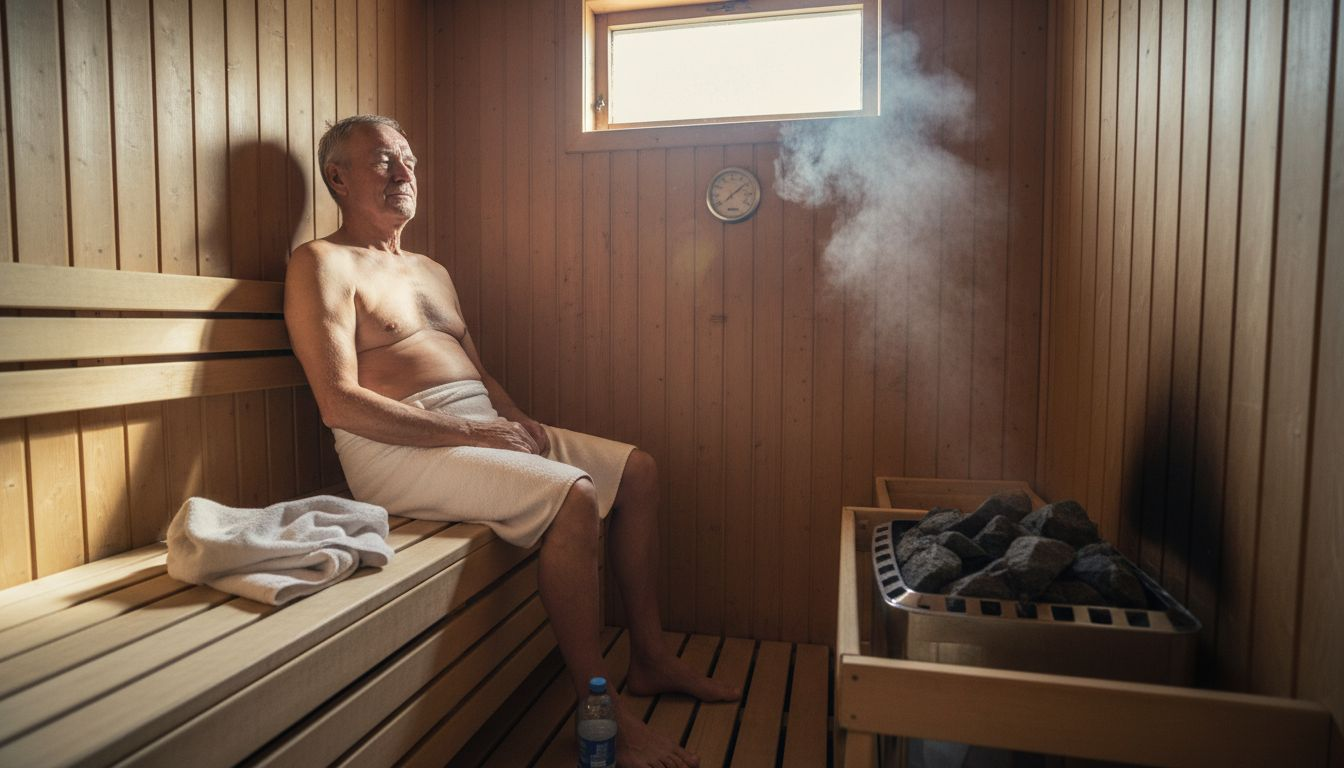
A good sauna experience transcends simple heat exposure, representing a holistic journey of physical relaxation and mental rejuvenation deeply rooted in Finnish cultural traditions. The essence of an exceptional sauna session involves precise temperature control, thoughtful design, and an understanding of physiological responses to heat.
The ideal sauna experience combines several critical elements: temperature range, humidity levels, and duration. Temperatures typically range between 60 and 120 degrees Celsius, with experienced users understanding how to modulate heat through strategic use of water on hot stones. Finnish sauna design principles emphasize creating an environment that promotes gradual warming, allowing the body to adjust and maximize therapeutic benefits.
Key characteristics of an outstanding sauna session include consistent heat distribution, proper ventilation, and opportunities for both intense heat exposure and cooling periods. The traditional Finnish approach involves alternating between hot sauna rooms and cold environments, which stimulates circulation, reduces muscle tension, and triggers natural stress relief mechanisms. This thermal cycling not only provides physical benefits but also creates a meditative, almost ritualistic experience that connects participants with centuries-old wellness traditions.
Pro tip: Prepare your sauna experience by hydrating well before entering and keeping a small towel nearby to manage perspiration during your session.
Types of Saunas and Key Differences
Sauna types represent a diverse range of heat therapy experiences, each offering unique characteristics and physiological benefits. Understanding the fundamental differences between sauna varieties allows individuals to select the most appropriate option for their wellness goals and personal preferences.
The primary sauna categories include traditional Finnish saunas, dry saunas, infrared saunas, and steam rooms. Outdoor sauna designs typically feature wood-lined interiors and traditional heating methods. Traditional Finnish saunas operate at high temperatures between 158°F and 212°F, characterized by low humidity and the ability to create momentary steam by pouring water on hot stones. Dry saunas share similar temperature ranges but maintain consistently low moisture levels, providing intense dry heat exposure.
Infrared saunas represent a modern alternative, utilizing specialized light waves to directly warm the body at lower temperatures (120°F to 150°F). These saunas penetrate body tissues more deeply, offering potential therapeutic benefits with less intense environmental heat. Steam rooms differ significantly, providing high-humidity environments that promote sweating through moist heat, typically maintained at lower temperatures compared to dry saunas but with nearly 100% humidity levels.
Here’s an at-a-glance comparison of common sauna types and their key features:
| Sauna Type | Typical Temperature | Humidity Level | Heating Method |
|---|---|---|---|
| Finnish Sauna | 158–212°F | Low, adjustable | Wood or electric stove |
| Dry Sauna | 160–200°F | Very low | Electric heater |
| Infrared Sauna | 120–150°F | Low | Infrared panels |
| Steam Room | 110–120°F | Very high (near 100%) | Steam generator |
Pro tip: Consider your personal health goals and tolerance for heat when selecting a sauna type, and always consult with a healthcare professional if you have pre-existing medical conditions.
Essential Materials for Sauna Construction
Sauna construction requires careful selection of materials that can withstand extreme temperatures, moisture, and provide optimal thermal performance. The choice of materials directly impacts the sauna’s durability, comfort, and overall user experience, making it crucial to understand the specific requirements for each component.
Sauna building materials must prioritize heat resistance and moisture management. Wood selection represents the most critical decision, with cedar, spruce, and hemlock emerging as top choices for interior surfaces. These wood types offer natural resistance to heat, low thermal conductivity, and minimal toxic emissions. The interior paneling should use untreated, high-quality boards that can absorb and release moisture without warping, creating a stable and comfortable environment.
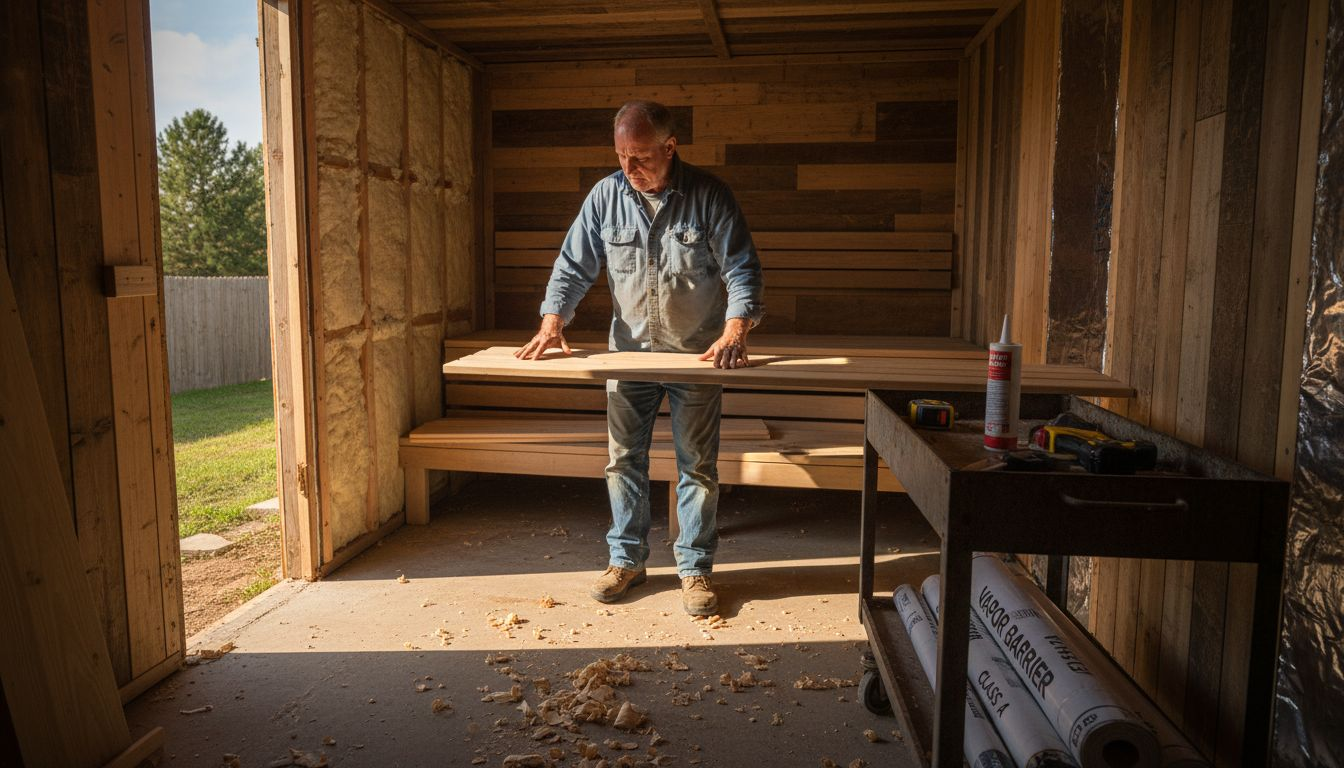
Beyond wood selection, critical construction materials include specialized insulation, vapor barriers, and appropriate heating elements. High-performance insulation prevents heat loss and maintains consistent temperatures, while robust vapor barriers protect the structural integrity of the sauna by preventing moisture penetration. The sauna heater requires specific heat-retaining stones that can maintain temperature stability and create the traditional steam experience when water is strategically applied.
The following table summarizes essential materials and their roles in sauna construction:
| Material | Purpose | Notable Benefit |
|---|---|---|
| Cedar/Spruce | Interior paneling | Heat resistance, low toxins |
| Insulation | Retain heat in walls/ceiling | Energy efficiency |
| Vapor Barrier | Protect structure from moisture | Prevents long-term damage |
| Sauna Stones | Store and release heat | Enables steam with water |
Pro tip: Invest in premium, kiln-dried wood with minimal knots and consistent grain to ensure long-term performance and aesthetic quality in your sauna construction.
Ventilation, Insulation, and Heat Retention
Sauna performance hinges critically on three interconnected design elements: ventilation, insulation, and heat retention. These fundamental components work together to create an optimal thermal environment that ensures comfort, safety, and energy efficiency for users.
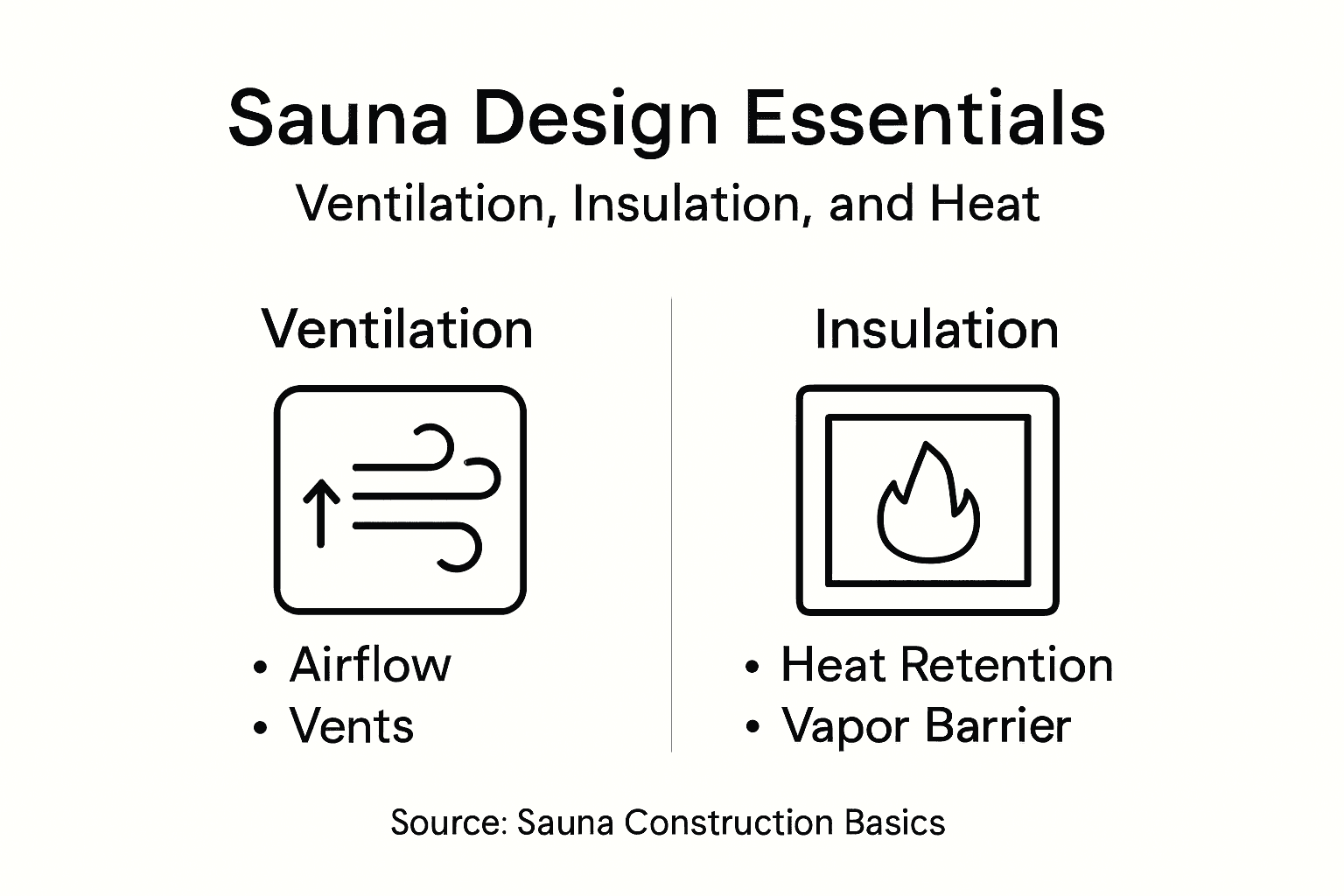
Energy-efficient design principles demand strategic ventilation placement with two primary vents – one located near the heater at floor level and another positioned near the ceiling on the opposite wall. This configuration enables continuous fresh air circulation, preventing CO2 buildup and maintaining air quality. Recommended insulation standards suggest minimum R-values of R12 for walls and R16 for ceilings, which help maintain consistent temperatures and minimize heat loss.
The relationship between ventilation and insulation is complex and nuanced. Effective vapor barriers protect the sauna’s structural integrity by preventing moisture penetration, while carefully designed airflow prevents stale air accumulation. Lower ceiling heights can significantly improve energy efficiency, allowing the space to heat more rapidly and reducing overall energy consumption. Proper material selection and construction techniques are essential in creating a sauna environment that balances thermal performance with user comfort.
Pro tip: Install adjustable vents with tight-fitting covers to provide precise control over air circulation and minimize unintended heat loss during your sauna sessions.
Safety Standards and Common Mistakes to Avoid
Sauna safety represents a critical consideration that extends far beyond simple temperature management, encompassing electrical standards, structural integrity, and user health protocols. Understanding potential risks and implementing preventative measures can transform a potentially hazardous environment into a secure and enjoyable wellness experience.
Log sauna building guidelines emphasize several key safety standards that must be meticulously followed. Temperature regulation is paramount, with recommended limits typically ranging between 74-95°C. Electrical installations require professional-grade components with proper clearance around heating units, and ventilation systems must prevent air quality degradation and potential overheating risks. Critical safety considerations include:
- Maintaining minimum safe distances between heating elements and wooden surfaces
- Installing reliable temperature monitoring equipment
- Ensuring robust electrical connections with appropriate circuit protections
- Creating clear emergency exit pathways
- Implementing humidity and heat sensors
Common mistakes that compromise sauna safety often stem from neglecting maintenance schedules, improper rock placement, and ignoring manufacturer guidelines. Users should strictly avoid consuming alcohol before sauna sessions, monitor individual session durations, and remain aware of personal health conditions that might interact negatively with intense heat exposure. Proper hydration, gradual temperature acclimation, and understanding individual physical limitations are essential for a safe sauna experience.
Pro tip: Install a waterproof emergency communication device inside your sauna and ensure all users understand basic heat exposure safety protocols before entering.
Elevate Your Sauna Experience with Authentic Finnish Craftsmanship
Creating the perfect sauna goes beyond heat and steam. The article highlights the importance of precise temperature control, quality materials like cedar and spruce, proper ventilation, and safety measures to ensure an outstanding and relaxing sauna session. If you are seeking a custom sauna that embodies these essential elements — blending tradition with modern comfort — you need a partner who knows the details and delivers excellence.
[Image:cta_image]
At Huvila Seppälä, we specialize in manufacturing custom log saunas crafted from premium Finnish timber that meets all the critical construction requirements mentioned in the article. Our expertise spans over 65 years in producing authentic wooden structures such as outdoor saunas, log houses, and villas tailored to your unique needs. With fast delivery times and transparent pricing, you can trust us to bring your ideal sauna to life while ensuring superior heat retention, ventilation, and safety standards. Start your journey toward a rejuvenating sauna experience today by exploring our offerings or reaching out through our contact form to receive a personalized quote.
Explore our range of Outdoor saunas and discover how expert craftsmanship transforms your wellness space.
Frequently Asked Questions
What temperature range is ideal for a sauna experience?
The ideal sauna temperature typically ranges between 60 and 120 degrees Celsius (158°F to 248°F), depending on the sauna type and user preference.
What are the key differences between sauna types?
The main types of saunas include traditional Finnish saunas, dry saunas, infrared saunas, and steam rooms. Finnish saunas use high temperatures with low humidity, while infrared saunas warm the body directly at lower temperatures. Steam rooms provide high humidity at lower temperatures compared to dry saunas.
How does ventilation affect sauna performance?
Proper ventilation is crucial for maintaining air quality and comfort in a sauna. A well-designed sauna should have two vents: one near the heater for fresh air intake and another near the ceiling for air circulation, preventing CO2 buildup and stale air.
What materials are best for sauna construction?
Essential materials for sauna construction include heat-resistant woods like cedar, spruce, or hemlock for paneling, high-performance insulation to retain heat, vapor barriers to protect against moisture, and specific heat-retaining stones for the sauna heater.
Recommended
- What Is a Finnish Sauna and Why It Matters – Huvila Seppälä
- 7 Essential Sauna Planning Tips for Your Dream Retreat – Huvila Seppälä
- Why Invest in Outdoor Saunas for Wellness and Value – Huvila Seppälä
- Outdoor Saunas: Enhancing Home Wellness Naturally – Hirsitalot, pihasaunat ja piharakennukset kotimaisesta hirrestä