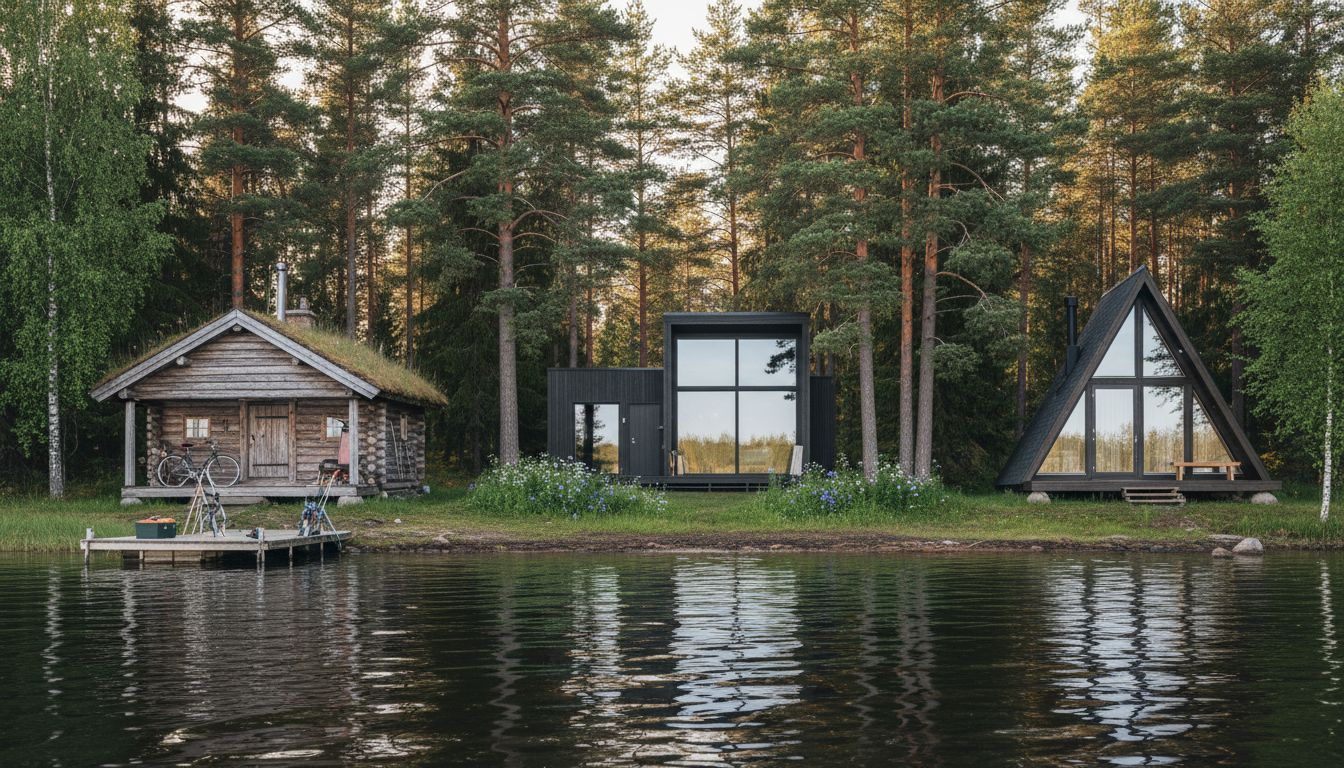
7 Types of Finnish Cottages Every Homeowner Should Know
Most American homeowners are surprised to learn that over 90 percent of Finnish detached homes are built using timber, offering superior energy efficiency compared to conventional methods. For Central European families seeking distinctive living spaces, authentic Finnish cottages and saunas deliver proven comfort along with lasting beauty. Discover how transparent pricing and fast delivery make these timber structures more achievable, blending traditional design with modern reliability for your next home project.
Table of Contents
- Classic Log Cottages: Timeless Finnish Design
- Modern Villas: Contemporary Finnish Cottage Styles
- Outdoor Saunas: Combining Relaxation and Comfort
- Compact Weekend Cabins: Ideal for Getaways
- Family Summer Homes: Spacious Living Options
- Custom Design Cottages: Tailored to Your Plans
- Eco-Friendly Timber Cottages: Sustainable Choice
Quick Summary
| Takeaway | Explanation |
|---|---|
| 1. Traditional Techniques Enhance Modern Cottages | Understanding Finnish log construction improves aesthetic appeal and energy efficiency in modern designs. |
| 2. Focus on Sustainable Materials | Use locally sourced, certified wood to ensure structural integrity and environmental friendliness. |
| 3. Maximize Natural Light in Designs | Incorporating large windows connects indoor spaces with nature, enhancing comfort and ambiance. |
| 4. Prioritize Flexibility in Layouts | Design homes that can adapt to changing family needs over time for long-term usability. |
| 5. Invest in Experienced Craftsmanship | Collaborate with skilled craftsmen for optimal execution of traditional and modern design techniques. |
1. Classic Log Cottages: Timeless Finnish Design
Classic log cottages represent the heart of Finnish architectural heritage, embodying generations of craftsmanship and connection to natural landscapes. These structures blend traditional woodworking techniques with contemporary design sensibilities, creating living spaces that are both functional and deeply rooted in Finnish cultural identity.
Traditional log construction in Finland goes beyond mere building techniques. Modern research highlights the ecological and health benefits of log structures, demonstrating that these cottages are not just beautiful artifacts but intelligent architectural solutions. Contemporary engineered log materials like lamella logs now enable architects to expand design possibilities while preserving the authentic essence of historical log architecture.
Finnish log cottages typically feature horizontally stacked timber logs carefully selected for their structural integrity and aesthetic qualities. Spruce and pine remain the most popular wood types, chosen for their durability, insulation properties, and natural resistance to environmental changes. Each log is meticulously crafted to create tight seal joints, ensuring excellent thermal performance and energy efficiency.
Homeowners appreciate these cottages for their remarkable ability to regulate indoor temperature naturally. The dense wooden walls absorb heat during warm days and release it slowly during cooler evenings, creating a comfortable living environment without heavy reliance on mechanical heating systems. This passive temperature regulation represents a significant advantage over conventional construction methods.
Design variations range from minimalist rural retreats to more elaborate structures with multiple rooms and modern amenities. Contemporary log cottage designs often incorporate large windows to maximize natural light, creating bright interior spaces that feel connected to surrounding forest landscapes.
When planning a log cottage, consider working with experienced Finnish craftsmen who understand the nuanced techniques of traditional log construction. Modern log construction techniques have refined the process, making these structures more accessible and adaptable to individual homeowner needs.
Pro Tip: When selecting timber for your log cottage, prioritize locally sourced wood with proper moisture content and minimal knots to ensure long-term structural stability and aesthetic appeal.
2. Modern Villas: Contemporary Finnish Cottage Styles
Modern Finnish villas represent a stunning evolution in architectural design, transforming traditional cottage concepts into sophisticated living spaces that seamlessly blend functionality with aesthetic innovation. These contemporary structures showcase how Finnish design principles have adapted to meet current lifestyle demands while maintaining a deep connection to natural surroundings.
Today’s Finnish villas dramatically differ from their historical predecessors. Where older cottages emphasized rustic simplicity, contemporary models prioritize comfort, advanced technology, and environmental consciousness. These homes feature expansive glass windows that blur boundaries between interior spaces and external landscapes, creating a sense of openness and connection with nature.
Architecturally, modern villas incorporate modular solutions that allow unprecedented customization. Homeowners can now design spaces that adapt to changing family needs, with flexible floor plans that can be reconfigured over time. High-end equipment levels and smart home technologies have become standard, enabling residents to enjoy year round comfort with minimal maintenance.
Ecological considerations play a central role in contemporary villa design. These structures prioritize energy efficiency through advanced insulation techniques, sustainable materials, and integrated renewable energy systems. Many modern Finnish villas generate their own electricity, utilize geothermal heating, and implement sophisticated water recycling mechanisms.
The transformation reflects broader shifts in Finnish residential philosophy. No longer are these structures merely seasonal retreats they are now full-time living environments that accommodate professional and personal needs. Open floor plans, multifunctional spaces, and seamless indoor outdoor transitions represent key design principles.
Modern villa design approaches demonstrate how Finnish architects balance technological innovation with respect for traditional building practices. The result is a living space that feels both cutting edge and deeply rooted in cultural heritage.
Pro Tip: When planning a modern Finnish villa, prioritize flexible design elements that can adapt to changing lifestyle needs and incorporate energy efficient technologies to reduce long term operational costs.
3. Outdoor Saunas: Combining Relaxation and Comfort
Outdoor saunas represent the quintessential Finnish cultural experience, blending wellness, architectural design, and a profound connection to natural surroundings. These standalone structures are far more than simple bathing spaces they are sanctuaries of physical and mental rejuvenation deeply rooted in Finnish tradition.
Traditional Finnish sauna design goes beyond mere functionality. Authentic outdoor saunas prioritize the sensory experience through careful selection of native woods, strategic lighting, and intentional placement to maximize landscape views. The architectural approach emphasizes creating a holistic environment that supports both physical relaxation and spiritual renewal.
The thermal dynamics of Finnish outdoor saunas are meticulously engineered. Proper heating and ventilation systems ensure optimal temperature regulation and humidity control. Typically constructed from heat resistant woods like cedar or spruce, these structures provide exceptional insulation and create a natural aromatic environment that enhances the overall wellness experience.
Contemporary Finnish sauna design has evolved to integrate cutting edge technologies while preserving cultural rituals. Modern outdoor saunas often feature modular designs that allow for customization, advanced climate control systems, and seamless integration with surrounding landscapes. Some innovative designs even transform the sauna into a multifunctional space that serves as both a wellness retreat and a social gathering point.
When planning an outdoor sauna, homeowners should consider factors beyond basic construction. Placement matters significantly optimal locations offer privacy, protection from wind, and potentially stunning natural views. Integrating the sauna with existing landscape features like forest edges or water views can dramatically enhance the overall experience.
Outdoor sauna construction techniques have become increasingly sophisticated, allowing for personalized designs that reflect individual aesthetic preferences while maintaining traditional Finnish principles.
Pro Tip: Select sauna wood materials that not only provide excellent thermal properties but also age beautifully and resist moisture to ensure long term durability and aesthetic appeal.
4. Compact Weekend Cabins: Ideal for Getaways
Compact weekend cabins represent a revolutionary approach to leisure architecture in Finland, offering minimalist retreats that maximize relaxation while minimizing environmental impact. These ingenious structures provide an escape from urban life, delivering a perfect blend of comfort and connection to natural landscapes.
Modern Finnish weekend cabins prioritize intelligent design and ecological principles. Prefabricated and modular construction techniques allow for flexible placement in remote locations, enabling homeowners to create personalized retreats that seamlessly integrate with surrounding environments. These cabins typically feature lightweight, transportable designs using locally sourced untreated wood materials that age beautifully and maintain low carbon footprints.
The architectural philosophy behind compact weekend cabins focuses on efficiency and adaptability. Clever spatial arrangements divide functional zones strategically, creating multifunctional spaces that can transform based on immediate needs. Large windows play a critical role, inviting natural light and offering panoramic views that blur boundaries between interior living spaces and exterior landscapes.
When designing a weekend cabin, consider key factors such as site orientation, material selection, and potential future adaptability. Sustainable construction methods now allow for cabins that can be easily relocated or modified, providing long term flexibility for changing lifestyle requirements. Some innovative designs even incorporate modular elements that can expand or contract depending on occupancy needs.
Finland’s architectural approach to weekend cabins demonstrates a profound understanding of human interaction with natural environments. These structures are not merely shelters but carefully crafted experiences that invite relaxation, reflection, and deep connection with surrounding ecosystems.
Weekend cabin design strategies continue to evolve, offering homeowners increasingly sophisticated options for creating personalized retreats that balance comfort, sustainability, and aesthetic appeal.
Pro Tip: Prioritize cabins with flexible interior layouts and large windows to maximize natural light and create a sense of spaciousness in compact living environments.
5. Family Summer Homes: Spacious Living Options
Finnish family summer homes represent more than simple vacation properties they are carefully designed sanctuaries that foster multi generational connections and provide flexible living spaces deeply rooted in Finnish cultural traditions. These expansive structures are engineered to accommodate complex family dynamics while offering seamless interactions with surrounding natural landscapes.
Traditional Finnish summer homes prioritize communal living through intelligent architectural design. Large open floor plans create central gathering spaces where multiple generations can comfortably coexist. Strategic interior layouts typically include numerous bedrooms, expansive common areas, and adjacent spaces like saunas that support both collective activities and individual privacy.
Architecturally, these homes are engineered for maximum functionality and environmental harmony. Pitched roofs provide excellent weather protection, while extensive window designs maximize natural light and create visual connections with surrounding forests and lakes. Sustainable wood construction techniques ensure both durability and minimal environmental impact, reflecting Finnish commitment to ecological design principles.
Flexibility remains a key consideration in modern Finnish summer home design. Modular construction approaches allow families to adapt spaces for changing needs seasonal requirements or evolving family structures. Some designs incorporate convertible areas that can transform from sleeping quarters to entertainment spaces with minimal reconfiguration.
When planning a family summer home, consider critical factors such as terrain integration, energy efficiency, and potential future modifications. Proximity to natural features like lakes and forests adds significant value, creating opportunities for outdoor recreation and relaxation.
Family summer home design strategies continue to evolve, offering increasingly sophisticated options for creating personalized retreats that balance comfort, functionality, and aesthetic appeal.
Pro Tip: Design your summer home with multi functional spaces and adaptable layouts to accommodate changing family needs and maximize long term usability.
6. Custom Design Cottages: Tailored to Your Plans
Custom design cottages represent the pinnacle of personalized architectural expression in Finnish building traditions, offering homeowners unprecedented flexibility to transform unique visions into tangible living spaces. These bespoke structures go far beyond standard construction approaches, creating intimate environments precisely aligned with individual lifestyle needs and aesthetic preferences.
The custom cottage design process in Finland involves intensive collaboration between architects and clients. Professional designers carefully analyze site conditions, topographical features, personal requirements, and environmental considerations to develop truly individualized solutions. This meticulous approach ensures that each cottage becomes a unique reflection of its owners aspirations while maintaining exceptional functional performance.
Key advantages of custom design cottages include spatial optimization, enhanced long term value, and superior adaptation to specific environmental contexts. Architects can strategically orient buildings to maximize natural light, integrate passive heating and cooling techniques, and create seamless transitions between indoor and outdoor spaces. These thoughtful design strategies result in cottages that feel both personally meaningful and environmentally intelligent.
Finland’s architectural culture places significant emphasis on understanding individual client needs. Custom cottage designs frequently incorporate innovative solutions such as modular construction techniques, flexible interior layouts, and advanced sustainable technologies. These approaches allow homeowners to create living spaces that can evolve alongside changing family dynamics and emerging lifestyle requirements.
When pursuing a custom cottage, homeowners should prioritize clear communication with architects, comprehensive site analysis, and a holistic approach to design that considers aesthetic, functional, and ecological dimensions. Investing time in detailed planning can yield extraordinary results that far exceed standardized building options.
Custom cottage design consultation strategies provide valuable insights into transforming personal visions into exceptional architectural realities.
Pro Tip: Develop a comprehensive design brief that articulates not just your current needs but potential future adaptations to maximize your custom cottage’s long term value and functionality.
7. Eco-Friendly Timber Cottages: Sustainable Choice
Eco-friendly timber cottages represent the pinnacle of sustainable architectural design in Finland, embodying a profound commitment to environmental responsibility and intelligent resource management. These structures go beyond traditional construction methods, transforming wood from a simple building material into a sophisticated ecological solution that supports climate preservation and sustainable living.
Finnish timber construction stands as a global model of environmental stewardship. An impressive 90 percent of detached homes in Finland utilize timber, leveraging its remarkable renewability and exceptional carbon storage capabilities. Advanced engineered wood techniques now enable extraordinary levels of energy efficiency, dramatically reducing operational emissions and creating structures that actively contribute to environmental conservation.
Modern eco-friendly timber cottages integrate cutting edge technologies with traditional woodworking techniques. Engineered wood products allow for superior insulation, precise manufacturing tolerances, and enhanced structural performance. These innovative materials can be locally sourced, minimizing transportation emissions and supporting regional economic ecosystems while creating buildings with minimal environmental impact.
When designing an eco-friendly timber cottage, homeowners should prioritize several key considerations. Material selection becomes critical selecting wood from certified sustainable forests, utilizing locally produced timber, and choosing manufacturers committed to responsible forestry practices. Advanced thermal engineering techniques can further enhance energy performance, creating structures that require minimal external heating or cooling.
Beyond immediate environmental benefits, timber cottages offer long term value through durability, natural aesthetic appeal, and positive carbon lifecycle metrics. Each wooden structure effectively acts as a carbon storage mechanism, sequestering atmospheric carbon throughout its functional lifespan and providing a tangible contribution to climate mitigation efforts.
Sustainable timber cottage design strategies offer comprehensive insights into creating environmentally responsible residential spaces.
Pro Tip: Prioritize locally sourced, certified sustainable timber and work with architects experienced in passive design principles to maximize your eco-friendly cottage performance.
Below is a comprehensive table summarizing key aspects and features of various Finnish cottage styles as discussed throughout the article.
| Cottage Type | Design Attributes | Unique Characteristics |
|---|---|---|
| Classic Log Cottages | Combines traditional log workmanship with modern techniques. | Utilizes native woods like spruce and pine, offering durability, thermal insulation, and a natural aesthetic that embodies Finnish cultural heritage. |
| Modern Villas | Features contemporary design with expansive glass windows, modular layouts, and advanced technology. | Emphasizes open floor plans and ecological integration, making them suitable for full-time living. |
| Outdoor Saunas | Tailored to provide a unique Finnish wellness experience with natural materials and optimal thermal dynamics. | Standalone structures focused on relaxation, often located for privacy and views, with modern incorporations such as climate control. |
| Compact Weekend Cabins | Focused on minimalist, eco-conscious design that prioritizes efficient space usage. | Prefabricated and modular designs with a focus on adaptability and landscape integration for remote placement. |
| Family Summer Homes | Designed to foster connection and accommodate multi-generational living. | Incorporates large common areas with spacious layouts and multifunctional designs to support evolving family dynamics and seasonal changes. |
| Custom Design Cottages | Developed through detailed collaborations between architects and homeowners for tailor-made living spaces. | Highly flexible designs that adapt to site specifics and personal preferences, integrating advanced ecological and aesthetic principles. |
| Eco-Friendly Timber Homes | Leveraging sustainable building practices with timber as the primary material, emphasizing ecological responsibility. | Energy-efficient structures feature locally-sourced, certified materials, superior insulation, and eco-conscious design principles to minimize environmental impact. |
This table provides an overview of the architectural styles, design principles, and distinguishing features of Finnish cottage types shown in the original article.
Discover Your Perfect Finnish Cottage With Expert Craftsmanship
Choosing the right type of Finnish cottage can feel overwhelming given all the options like classic log cottages, modern villas, or eco-friendly timber homes. Key challenges often include finding authentic designs that blend tradition with modern needs, achieving energy efficiency, and ensuring flexibility for future adaptations. Understanding specific concepts such as passive temperature regulation or eco-friendly timber construction is essential to making informed decisions.
At Huvila Seppälä, we bring over 65 years of experience to help you transform these goals into reality. Whether you want a custom-designed cottage, a traditional outdoor sauna, or a family summer home, our expertise in log structures and timber frames made from premium Finnish wood means your project is in trusted hands. We offer fast delivery, fully tailored solutions, and transparent quoting with no hidden costs. Explore how our custom design cottages or outdoor saunas can be perfectly adapted to your unique vision.
Start building your ideal Finnish cottage today by visiting Huvila Seppälä. Contact us to receive a personalized quote and discover how professional craftsmanship meets your lifestyle needs now.
Frequently Asked Questions
What are the benefits of building a Classic Log Cottage?
Classic Log Cottages offer excellent thermal performance and energy efficiency due to their dense wooden walls. To maximize these benefits, select locally sourced wood with proper moisture content during construction.
How do Modern Villas differ from traditional cottages?
Modern Villas focus on advanced technology, environmental efficiency, and customizable designs. Consider incorporating large windows for natural light and flexible spaces that can adapt to your family’s changing needs.
What should I consider when planning an Outdoor Sauna?
When planning an Outdoor Sauna, prioritize its placement to ensure privacy and optimal views of the landscape. Additionally, choose heat-resistant materials like cedar or spruce for long-lasting insulation and interior comfort.
How can I maximize the space of a Compact Weekend Cabin?
You can maximize the space of a Compact Weekend Cabin by incorporating multifunctional rooms that serve multiple purposes. Design with flexible layouts that can adapt based on guest occupancy and seasonal use.
What design features are important for a Family Summer Home?
Family Summer Homes should emphasize open floor plans and communal living spaces to foster connection among multiple generations. Implementing strategic interior layouts with numerous bedrooms and flexible common areas is crucial for both comfort and functionality.
Recommended
- Mökkirakentaminen Explained: Hyödyt, Vaihtoehdot ja Vinkit – Huvila Seppälä
- 7 parasta käytäntöä hirsirakentamiseen kotona ja mökillä – Huvila Seppälä
- Blogit – Huvila Seppälä
- Hirsitalon suunnittelun perusteet: Täydellinen opas – Huvila Seppälä