What Defines a Custom Cottage: Key Features and Impact
Deciding how to build your dream retreat can spark plenty of questions, from design choices to structural materials. For many Central European families seeking a custom cottage or sauna, the real challenge often lies in sorting fact from fiction about what these homes truly offer. This guide highlights the bold features and modern possibilities of custom cottage design, helping you move past outdated misconceptions, explore trusted timber construction solutions, and understand the essentials behind transparent pricing and quick delivery.
Table of Contents
- Defining A Custom Cottage And Common Misconceptions
- Timber Frame Vs. Log Construction Distinctions
- Key Features Of Custom Cottage Design
- Requirements For Planning And Building
- Cost, Maintenance, And Common Pitfalls
Key Takeaways
| Point | Details |
|---|---|
| Custom Cottages are Personalized | They cater to individual lifestyle needs and preferences, moving beyond traditional holiday home misconceptions. |
| Distinct Construction Methods | Timber frame and log construction offer unique advantages; timber frames allow design flexibility while log construction provides natural thermal benefits. |
| Comprehensive Planning Required | Successful custom cottage development entails meticulous planning, understanding of local regulations, and sound financial management. |
| Ongoing Maintenance is Essential | Homeowners need to budget for regular upkeep and unexpected expenses to maintain the integrity and aesthetics of their cottages. |
Defining a Custom Cottage and Common Misconceptions
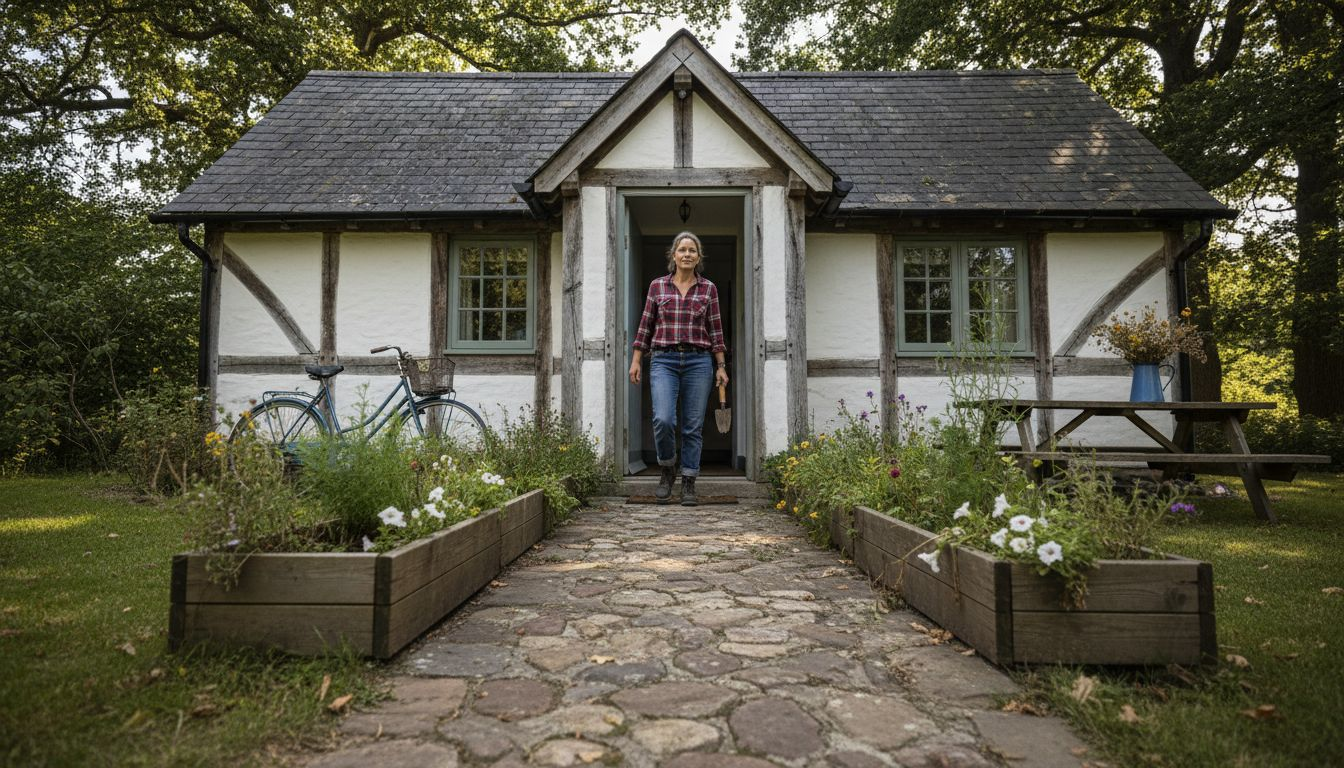
A custom cottage represents far more than a simple rural dwelling – it’s a personalized sanctuary crafted to meet specific lifestyle needs and architectural preferences. Traditionally rooted in Finnish and Central European building cultures, these structures have evolved from modest rural shelters into highly tailored living spaces that blend functionality with individual expression.
Custom cottages challenge several widespread misconceptions about their design and purpose:
- Not exclusively holiday homes for wealthy individuals
- Can range dramatically in size and architectural complexity
- Reflect personal aesthetics more than standardized building templates
- Embrace both traditional craftsmanship and modern design principles
The contemporary custom cottage emerges from a nuanced understanding of personal space, integrating essential cottage construction principles that transform basic structures into unique living environments. Unlike mass-produced housing, these dwellings are meticulously designed to harmonize with individual preferences, local landscapes, and specific functional requirements.
A custom cottage is not just a building, but a personalized narrative constructed with wood, imagination, and individual dreams.
Historically, cottages originated as compact rural dwellings, but modern interpretations have dramatically expanded their conceptual boundaries. Today, they represent a sophisticated approach to residential design that prioritizes personal comfort, architectural integrity, and seamless integration with natural surroundings.
Pro tip: When planning a custom cottage, prioritize understanding your specific lifestyle needs and local building regulations before finalizing your design concept.
Timber Frame vs. Log Construction Distinctions
Timber frame and log construction represent two distinctive approaches to building wooden structures, each with unique characteristics that define their structural integrity, design flexibility, and aesthetic appeal. While both methods draw from rich European building traditions, they offer fundamentally different approaches to creating durable, personalized living spaces.
Key differences between timber frame and log construction include:
- Structural composition: Timber frames use separate supporting framework, while log construction relies on interlocking log walls
- Wall construction: Timber frames allow for varied wall materials and insulation, log walls are solid wood units
- Design flexibility: Timber frames offer more architectural freedom
- Thermal performance: Log walls provide natural thermal mass, timber frames enable advanced insulation strategies
Timber frame construction offers remarkable design possibilities that distinguish it from traditional log building techniques. The framework consists of carefully engineered posts and beams that create a skeletal structure, allowing architects and homeowners unprecedented flexibility in wall design, window placement, and overall spatial configuration.
Timber frame and log construction are not just building methods, but expressions of architectural heritage and personal design philosophy.
Log construction, by contrast, represents a more traditional approach where massive wooden logs form both the structural and aesthetic core of the building. These logs are typically hand-carved or precision-milled, creating thick walls that provide exceptional thermal regulation and a deeply authentic connection to natural building materials.
Here is a comparison of timber frame and log construction methods for custom cottages:
| Aspect | Timber Frame Construction | Log Construction |
|---|---|---|
| Structural System | Post and beam framework | Solid interlocking log walls |
| Wall Flexibility | Supports diverse materials and insulation | Limited to wood logs only |
| Architectural Freedom | Allows for open plans and large windows | More traditional layouts, fewer design tweaks |
| Thermal Performance | Customizable insulation for climate control | Natural thermal mass from thick wood walls |
| Maintenance Needs | May need updates to external walls | Requires regular log sealing and treatment |
Pro tip: Consult with experienced regional builders who understand local climate and building codes to determine which construction method best suits your specific project requirements.
Key Features of Custom Cottage Design
Custom cottage design represents a sophisticated blend of architectural tradition and personal expression, transforming modest dwelling concepts into personalized living spaces that reflect individual lifestyle needs. Exploring diverse Finnish cottage styles reveals the intricate balance between functional design and aesthetic harmony that defines these unique structures.
Essential design features of custom cottages include:
- Compact and efficient floor plans that maximize usable space
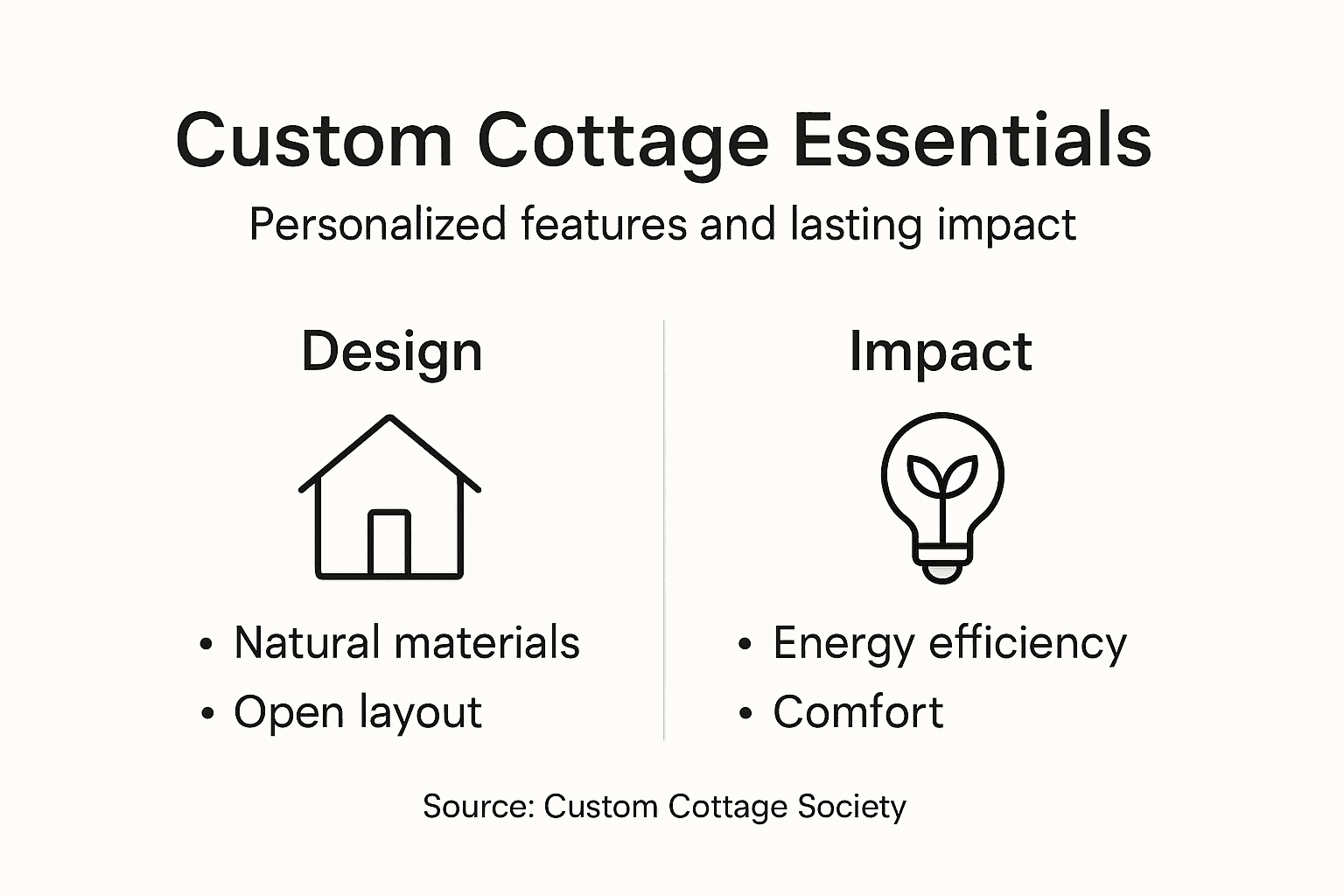
- Natural material integration, emphasizing wood, stone, and local resources
- Steep gabled roofs providing architectural character and practical weather protection
- Large multi-paned windows creating visual connections with surrounding landscapes
- Integrated outdoor living spaces like porches and decks
Modern custom cottages go beyond traditional architectural constraints, incorporating smart technologies and sustainable design principles. The structural framework prioritizes energy efficiency, with carefully planned insulation systems and environmentally conscious material selections that reduce long-term environmental impact.
A custom cottage is not merely a building, but a carefully crafted narrative of personal space and environmental harmony.
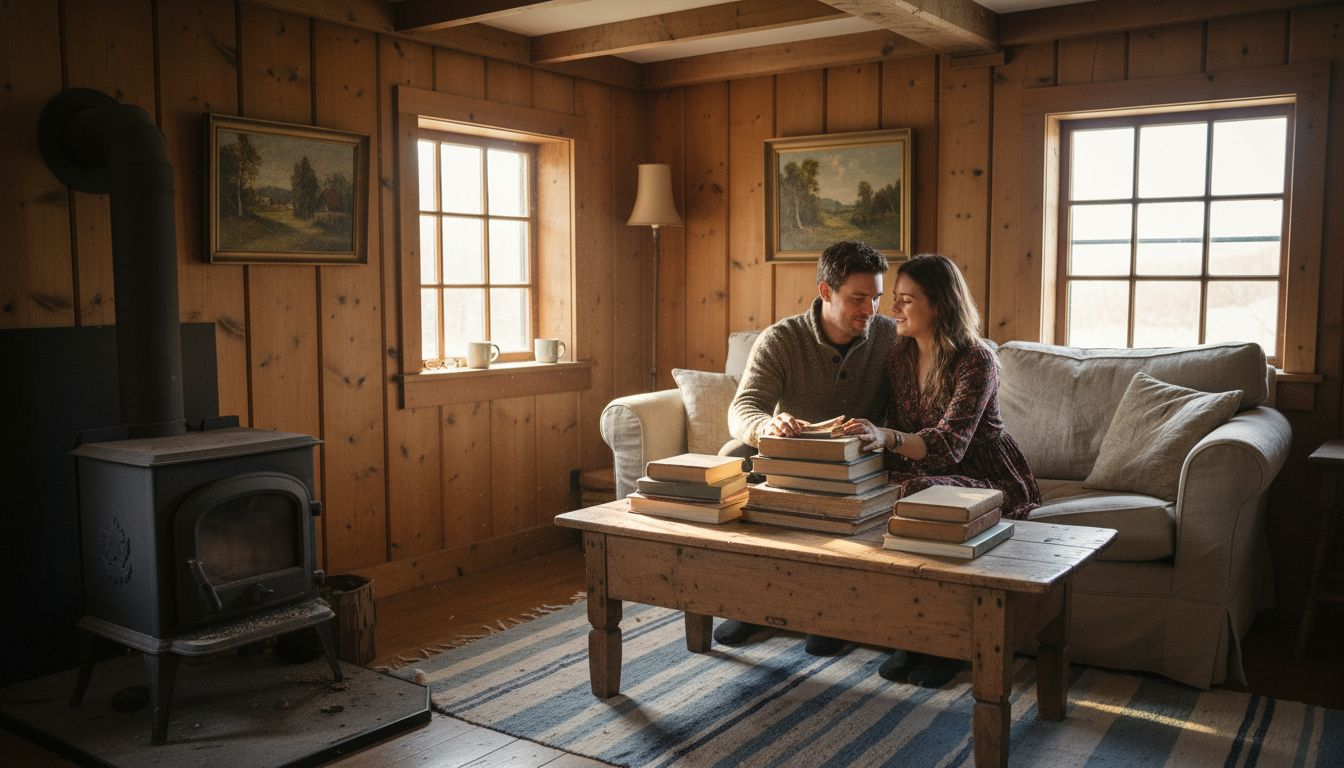
Interior design elements typically focus on creating warm, inviting atmospheres through thoughtful spatial arrangements, natural color palettes, and handcrafted details that celebrate traditional craftsmanship while meeting contemporary comfort standards. The goal is to create spaces that feel simultaneously timeless and uniquely personal.
Pro tip: Prioritize working with local architects and builders who understand regional building traditions and can translate your vision into a structurally sound, aesthetically pleasing custom cottage design.
Requirements for Planning and Building
Planning and building a custom cottage involves navigating a complex landscape of legal, regulatory, and design requirements that demand careful preparation and strategic decision-making. Understanding local building permit regulations becomes crucial in transforming your architectural vision into a legally compliant reality.
Key planning and building requirements typically include:
- Comprehensive site assessment evaluating land characteristics and environmental constraints
- Architectural drawings and detailed project specifications
- Local municipality building permit applications
- Zoning regulation compliance
- Utility connection and infrastructure planning
- Environmental impact assessments
The permitting process requires meticulous documentation and often involves multiple governmental agencies. Prospective cottage owners must prepare detailed architectural plans, demonstrate compliance with local building codes, and secure necessary approvals before commencing construction.
Successful custom cottage development hinges on thorough preparation, legal compliance, and proactive communication with local regulatory authorities.
Financial considerations play a significant role in the planning phase, with potential owners needing to demonstrate project feasibility, secure appropriate funding, and budget for potential regulatory compliance costs. This often involves detailed cost projections, potential infrastructure investments, and comprehensive risk assessments.
Pro tip: Engage a local architect or building consultant familiar with regional regulations to streamline your permit application and minimize potential bureaucratic complications.
Cost, Maintenance, and Common Pitfalls
Custom cottage construction represents a significant financial investment that requires strategic planning and comprehensive understanding of potential expenses and long-term maintenance considerations. Budgeting becomes crucial, with typical construction costs ranging between $175,000 and $350,000, depending on specific design requirements and regional building conditions.
Common financial and maintenance challenges include:
- Unexpected site preparation costs
- Material price fluctuations
- Extended construction timelines
- Complex permit and regulatory expenses
- Long-term wood preservation requirements
- Annual maintenance and weatherproofing investments
The most frequent pitfalls for cottage owners emerge from inadequate initial planning and unrealistic budget expectations. Understanding detailed construction cost breakdowns helps homeowners anticipate potential financial challenges and develop more accurate project projections.
Successful cottage development demands financial discipline, realistic expectations, and comprehensive pre-construction planning.
Maintenance represents an ongoing commitment, with wooden structures requiring specialized care to preserve structural integrity and aesthetic appeal. Homeowners must budget for regular treatments, potential repairs, and periodic professional assessments to protect their investment and ensure long-term durability.
Below is a summary of major cost drivers and ongoing expenses for custom cottages:
| Category | Primary Influence | Typical Impact |
|---|---|---|
| Land Preparation | Soil quality, access, grading | Can increase total project costs |
| Material Prices | Wood type, market volatility | Significant if market prices climb |
| Regulatory Fees | Local permits and applications | Adds to upfront financial planning |
| Maintenance | Weatherproofing, wood care | Requires annual budget allocations |
| Final Budget Tip | Contingency reserve | 15-20% extra for unforeseen expenses |
Pro tip: Allocate an additional 15-20% of your total project budget for unexpected expenses and potential design modifications during the construction process.
Build Your Dream Custom Cottage with Authentic Finnish Craftsmanship
Designing a custom cottage involves navigating complex decisions about materials, construction methods, and personal style. If you are seeking a timber frame or log construction that combines traditional aesthetics with modern performance, Huvila Seppälä offers expert solutions rooted in over 65 years of experience. We understand the importance of creating a personalized sanctuary that fits your lifestyle while meeting local regulations and sustainability goals.
Bring your vision to life with fast delivery and flexible design options tailored to your unique needs. Discover how our custom timber frame and log structures can turn your ideal cottage into reality without hidden costs or delays. Start planning confidently by visiting Huvila Seppälä’s website to request a personalized quote and learn more about prerequisites like permits and architectural drawings. Take the first step today to create a custom cottage that stands the test of time.
Frequently Asked Questions
What is a custom cottage?
A custom cottage is a personalized living space that is specifically designed to meet individual lifestyle needs and architectural preferences, often featuring unique design elements and a blend of functionality and aesthetics.
What are the main differences between timber frame and log construction?
Timber frame construction uses a post and beam framework that offers design flexibility, while log construction relies on solid interlocking log walls that provide natural thermal mass and a traditional aesthetic.
What are key features to consider in custom cottage design?
Key features include compact and efficient floor plans, integration of natural materials, steep gabled roofs for character, large windows for landscape connections, and outdoor living spaces like porches and decks.
What should I prioritize when planning a custom cottage?
It’s essential to understand your specific lifestyle needs, local building regulations, and to engage local architects or builders who can guide you through the design and permitting process.
Recommended
- What Is a Cottage Villa and Why It Matters – Huvila Seppälä
- 7 Essential Cottage Construction Tips for Custom Success – Huvila Seppälä
- Why Build a Sauna Cottage: Health, Value, and Style – Huvila Seppälä
- 7 Types of Finnish Cottages Every Homeowner Should Know – Huvila Seppälä