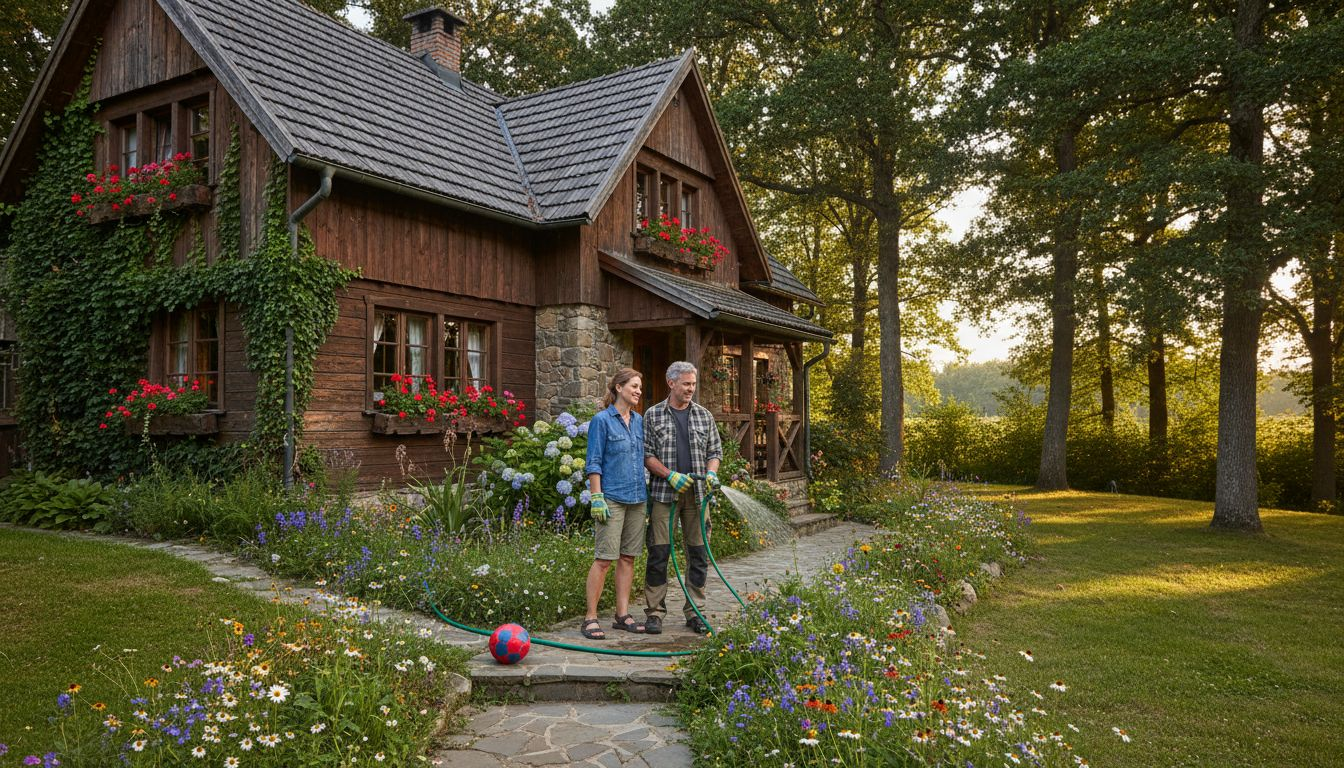
What Is a Cottage Villa and Why It Matters
Most homeowners in Central Europe are surprised to learn that the cottage villa concept draws on both American innovation and deep European tradition. Crafting a timber cottage or villa involves much more than selecting materials or styles. The myths around these homes often leave families uncertain about what is truly possible. This article offers clarity with real facts about cottage villa design and practical solutions for building your own, including insights into common misconceptions and must-have features.
Table of Contents
- Defining Cottage Villas And Common Myths
- Types Of Cottage Villas In Central Europe
- Essential Design And Construction Features
- Legal And Permitting Requirements Explained
- Cost Considerations And Common Pitfalls
- Alternatives To Cottage Villas For Homeowners
Key Takeaways
| Point | Details |
|---|---|
| Cottage villas blend tradition and modernity | These structures fuse historical architectural elements with contemporary design, resulting in adaptable living spaces that reflect personal expression and environmental connection. |
| Misconceptions about size and functionality | Cottage villas are often thought to be small and primitive, but they range from compact retreats to spacious residences, accommodating various lifestyles. |
| Emphasis on sustainable construction | Modern designs prioritize local and sustainable materials, energy efficiency, and seamless integration with natural landscapes. |
| Legal requirements vary by region | Understanding local building regulations and permitting processes is crucial for successful cottage villa construction, ensuring safety and compliance. |
Defining Cottage Villas and Common Myths
A cottage villa represents a unique architectural concept blending rustic charm with sophisticated design elements, originating from complex European residential traditions. Unlike standard rural dwellings, these structures offer a nuanced living experience that combines historical architectural principles with modern comfort requirements.
Historically, cottages emerged as modest rural dwellings for agricultural workers, while villas represented elegant country residences for wealthy families. Contemporary interpretations merge these concepts, creating a hybrid living space that honors traditional architectural roots while meeting current homeowner expectations. Types of Finnish cottages demonstrate remarkable diversity in how these structures can be conceptualized and constructed.
Common misconceptions about cottage villas often revolve around size and functionality. Many people incorrectly assume these structures are exclusively small or primitive. In reality, cottage villas can range from compact weekend retreats to spacious permanent residences, offering flexible design options that accommodate various lifestyle needs. The key distinguishing factors include:
- Integration with natural surroundings
- Emphasis on craftsmanship and material quality
- Adaptable architectural design
- Harmony between interior and exterior spaces
Modern cottage villas transcend simple architectural classifications, representing a sophisticated approach to residential design that prioritizes personal expression, environmental connection, and functional elegance. They embody a thoughtful balance between traditional building techniques and contemporary lifestyle requirements.
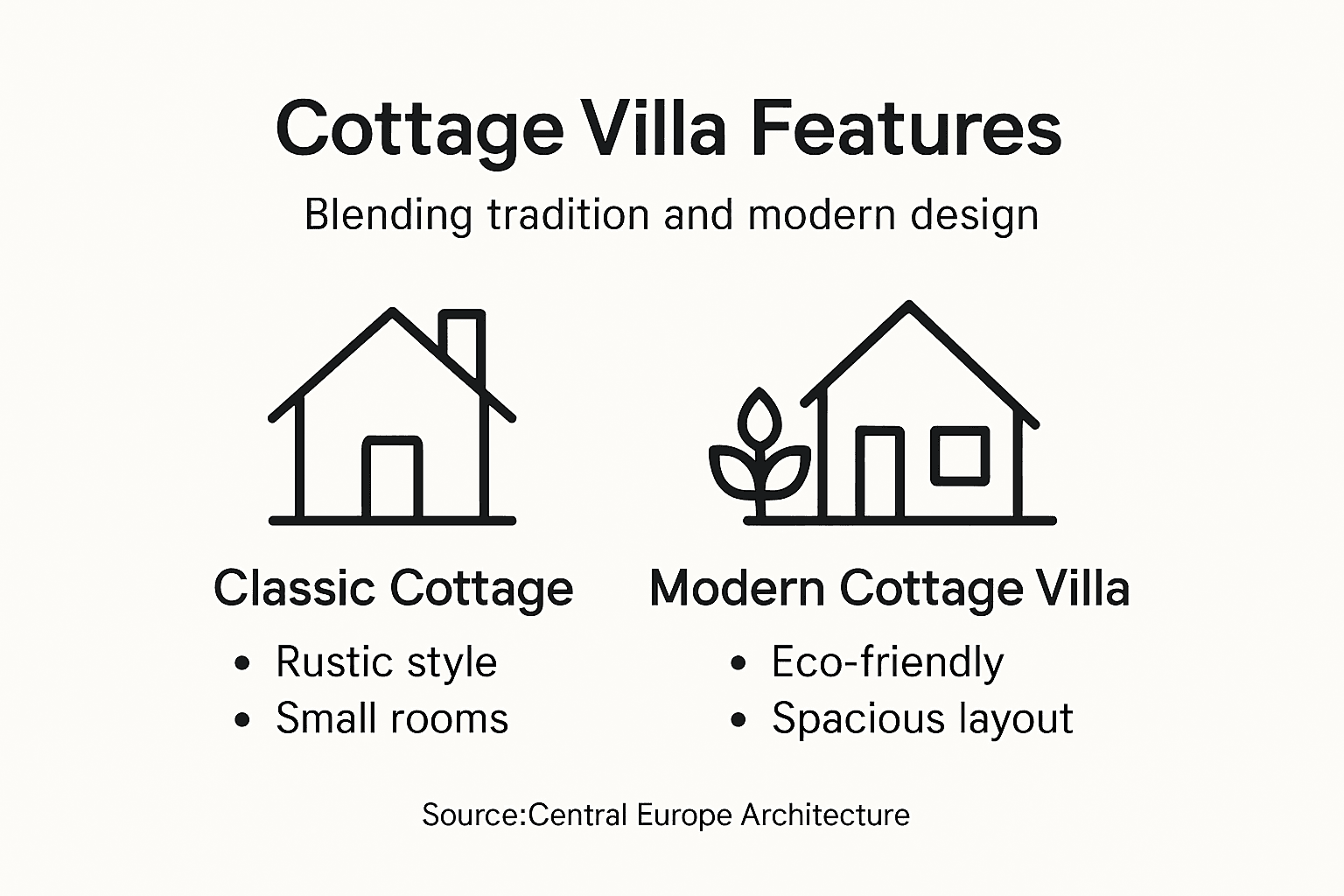
Here’s a comparison highlighting the differences between classic cottages, villas, and modern cottage villas:
| Attribute | Classic Cottage | Traditional Villa | Modern Cottage Villa |
|---|---|---|---|
| Historical Role | Rural worker housing | Luxury country residence | Hybrid of cottage and villa |
| Size Range | Small & compact | Large & grand | Varied, from small to spacious |
| Material Focus | Local, simple materials | Refined, ornamental finishes | Emphasis on quality, sustainability |
| Key Design Principle | Functionality | Aesthetics & status | Harmony & adaptability |
| Modern Use | Vacation homes | Exclusive estates | Primary or secondary residences |
Pro tip: When planning a cottage villa, prioritize understanding local building regulations and environmental conditions to ensure optimal design and long-term structural integrity.
Types of Cottage Villas in Central Europe
Central Europe boasts a remarkable diversity of cottage villa architectural styles, each reflecting unique regional traditions and cultural nuances. From the rolling hills of Austria to the forested landscapes of Germany, these residential structures represent more than mere housing—they embody a profound connection between human habitat and natural environment.
Traditional Central European cottage villas can be categorized into several distinct architectural typologies. What is a vacation home offers insights into the broader context of regional residential design. These variations typically include:
- Alpine Cottage Villas: Characterized by steep pitched roofs, wooden construction, and integration with mountainous terrain
- Bavarian Rural Villas: Featuring intricate woodwork, pastel exterior colors, and spacious garden environments
- Bohemian Country Houses: Emphasizing asymmetrical designs, organic material usage, and harmonious landscape integration
- Transylvanian Saxon Cottages: Distinguished by fortified architectural elements and strong Germanic design influences
Modern interpretations of cottage villas in Central Europe increasingly blend traditional architectural principles with contemporary sustainable design practices. These evolving structures prioritize energy efficiency, minimal environmental impact, and adaptable living spaces that respond dynamically to changing homeowner needs.
Understanding regional variations reveals that cottage villas are not uniform architectural expressions but complex cultural artifacts deeply rooted in local building traditions, climate considerations, and social histories. Each design tells a unique story about its geographical and cultural context.
Pro tip: When designing a Central European cottage villa, carefully research local building codes and architectural heritage to ensure authenticity and regulatory compliance.
Essential Design and Construction Features
Cottage villas represent a sophisticated fusion of architectural tradition and modern design principles, with essential construction features that distinguish them from standard residential structures. These design elements go far beyond mere aesthetic considerations, embodying a holistic approach to creating living spaces that harmonize with their natural surroundings.
Essential cottage construction tips highlight the critical aspects of creating authentic and functional cottage villas. The core design features typically encompass several key architectural and functional considerations:
- Structural Materials: Prioritizing local, sustainable materials like native timber, stone, and natural composites
- Roof Design: Implementing steep, multi-pitch rooflines that provide excellent water drainage and visual character
- Thermal Efficiency: Incorporating thick wall insulation, strategic window placement, and energy-conserving architectural techniques
- Landscape Integration: Designing structures that seamlessly blend with surrounding topography and natural vegetation
Traditional Central European cottage villas often feature distinctive construction techniques that reflect regional building traditions. These include using locally sourced timber frames, implementing robust foundation systems adapted to specific terrain conditions, and creating multi-functional interior spaces that maximize living efficiency.
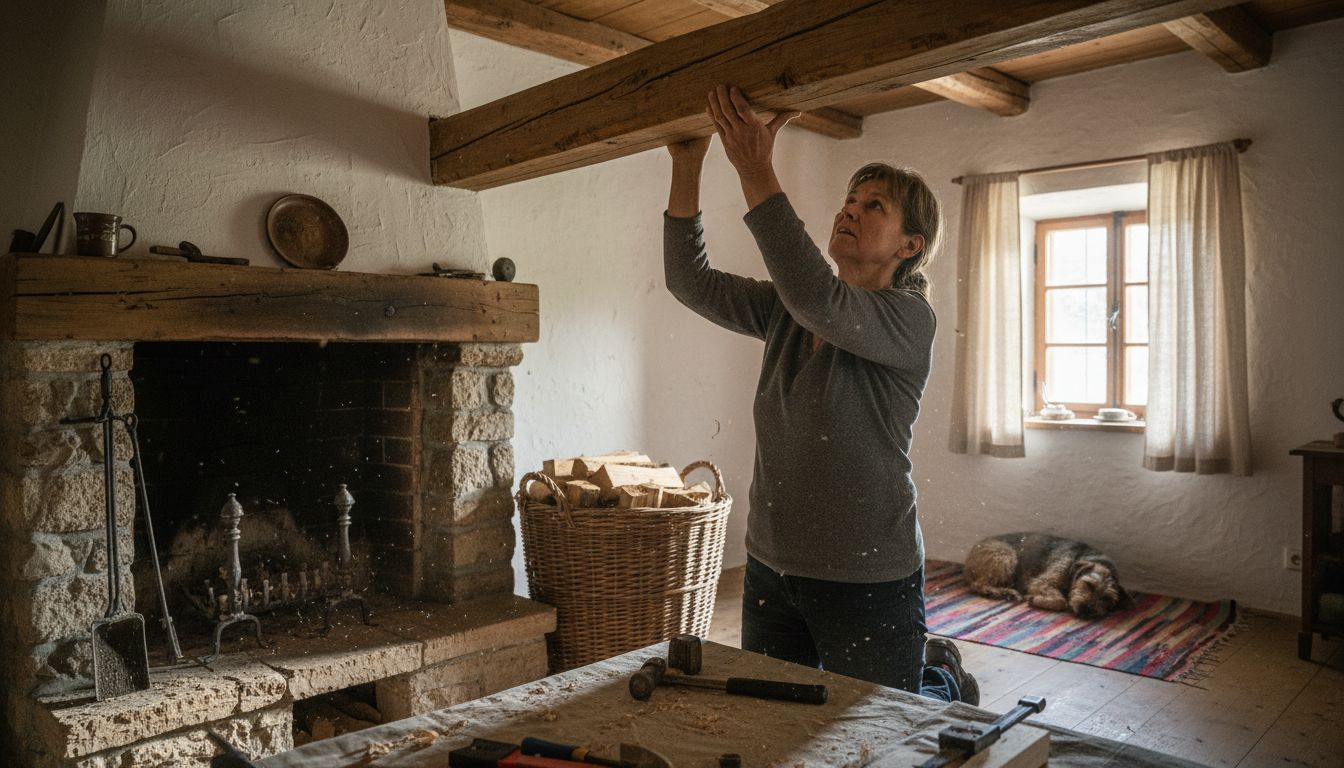
Modern cottage villa design increasingly emphasizes sustainability and adaptability. Contemporary architects are reimagining these structures to incorporate advanced ecological technologies, flexible living configurations, and intelligent design solutions that respect both historical architectural principles and emerging environmental standards.
Pro tip: Consult local architectural historians and preservation experts to understand region-specific design nuances before finalizing your cottage villa construction plans.
Legal and Permitting Requirements Explained
Navigating the legal landscape for cottage villa construction involves understanding a complex framework of regional regulations, building codes, and administrative procedures. These requirements are not merely bureaucratic hurdles but critical safeguards ensuring structural safety, environmental compatibility, and community standards.
Building permit requirements for timber homes provide essential insights into the intricate process of legal compliance. The permitting process typically involves several key components:
- Zoning Verification: Confirming the property’s land use classification
- Architectural Plan Submission: Detailed drawings demonstrating compliance with local building codes
- Environmental Impact Assessment: Evaluating potential ecological consequences of construction
- Structural Engineering Certification: Proving the proposed design meets safety and stability standards
Central European countries often implement nuanced permitting systems that vary significantly between regions. Some jurisdictions require extensive documentation, while others maintain more streamlined approval processes. Local municipalities typically serve as the primary gatekeepers, carefully reviewing each proposal to ensure it meets specific architectural, environmental, and safety criteria.
Modern permitting frameworks increasingly incorporate digital technologies and standardized evaluation protocols. These advancements aim to reduce administrative complexity, increase transparency, and accelerate project approvals while maintaining rigorous quality control mechanisms. Homeowners must remain proactive, understanding that successful navigation of legal requirements demands meticulous preparation and comprehensive documentation.
Pro tip: Engage a local architectural consultant familiar with regional building regulations to help streamline your cottage villa permitting process and avoid potential compliance challenges.
Cost Considerations and Common Pitfalls
Constructing a cottage villa represents a significant financial investment that extends far beyond initial construction expenses. Comprehensive financial planning requires understanding the multifaceted economic landscape of custom home development, including both immediate and long-term monetary implications.
Cottage construction tips highlight crucial financial considerations homeowners must evaluate. The primary cost categories typically include:
- Initial Construction Costs: Materials, labor, architectural design
- Permitting and Regulatory Expenses: Legal documentation, inspections, municipal fees
- Site Preparation: Land clearing, foundation work, utility connections
- Long-Term Maintenance: Ongoing repairs, energy efficiency upgrades, structural preservation
Central European markets demonstrate significant variability in cottage villa pricing, with costs influenced by regional building regulations, material availability, and local economic conditions. Potential homeowners frequently underestimate hidden expenses such as seasonal maintenance requirements, specialized timber treatments, and potential retrofitting for energy efficiency standards.
Modern cottage villa investments must account for evolving market dynamics, including fluctuating real estate values and increasing sustainability requirements. Successful projects balance aesthetic aspirations with pragmatic financial constraints, requiring thorough research and strategic long-term planning. Understanding regional economic trends and potential future adaptability becomes as crucial as the initial design considerations.
Pro tip: Develop a comprehensive financial model that includes a 20% contingency budget to accommodate unexpected expenses and potential market fluctuations during your cottage villa project.
Alternatives to Cottage Villas for Homeowners
Homeowners seeking residential alternatives to traditional cottage villas have multiple compelling options that address diverse lifestyle needs and financial considerations. Each alternative offers unique advantages, enabling potential residents to find housing solutions that align with their specific personal and professional requirements.
Why build a sauna cottage illuminates how specialized housing can provide targeted living experiences. The primary alternative residential models include:
- Ecovillage Communities: Sustainable living environments emphasizing collective ecological responsibility
- Senior Living Cottages: Compact, service-integrated housing for older adults
- Modular Prefabricated Homes: Flexible, cost-effective residential structures with rapid construction timelines
- Tiny House Developments: Minimalist living solutions focusing on efficiency and reduced environmental footprint
Ecovillages represent a particularly innovative alternative, offering comprehensive living experiences that transcend traditional housing models. These intentional communities integrate sustainable design principles, shared resources, and collaborative social structures, providing residents with opportunities for deeper environmental and interpersonal connections.
Modern housing alternatives increasingly prioritize flexibility, sustainability, and community integration. Potential homeowners can now select from an expanding array of residential models that challenge conventional cottage villa concepts, offering tailored solutions that reflect evolving lifestyle preferences and environmental consciousness.
For quick reference, here are alternative housing models to cottage villas and their defining characteristics:
| Alternative Model | Primary Advantage | Target Resident Profile |
|---|---|---|
| Ecovillage Community | Sustainable, community living | Environmentally focused, social |
| Senior Living Cottage | Integrated care and services | Older adults, retirees |
| Modular Prefab Home | Fast, affordable construction | Cost-conscious, flexibility valuers |
| Tiny House Development | Efficiency, low footprint | Minimalists, first-time buyers |
Pro tip: Research multiple alternative housing models and attend community open houses to understand the nuanced benefits and potential limitations of each residential approach.
Discover How a Custom Cottage Villa Can Transform Your Living Experience
The article highlights the unique charm and sophisticated design of cottage villas alongside the challenges of navigating legal requirements, cost planning, and authentic construction. If you desire a home that harmonizes with nature, prioritizes craftsmanship, and adapts to your lifestyle, Huvila Seppälä offers expert solutions tailored to your vision. With over 65 years of experience in manufacturing timber frames and log structures, we specialize in delivering custom cottages, villas, and saunas made from authentic Finnish wood that meet your design needs and regulatory standards.
Explore our commitment to quality and fast delivery through custom wooden structures crafted with attention to sustainable materials and precise architectural detail. Let us guide you from initial plans to final construction while addressing your concerns about permits and financing. Start your journey toward owning a timeless cottage villa with transparent quotes and expert support today by visiting Huvila Seppälä’s website and discovering how you can create your perfect retreat.
Frequently Asked Questions
What is a cottage villa?
A cottage villa is a unique architectural concept that combines the rustic charm of traditional cottages with the elegance of villas, offering flexible living spaces that honor historical roots while meeting modern comfort needs.
What are the key features of modern cottage villas?
Modern cottage villas typically emphasize sustainability, quality craftsmanship, natural materials, energy efficiency, and the integration of indoor and outdoor spaces, providing a harmonious living environment.
How do cottage villas differ from classic cottages and traditional villas?
Cottage villas represent a hybrid of classic cottages and traditional villas, varying in size, material focus, and design principles. While classic cottages are small and functional, and villas are large and luxurious, modern cottage villas can range from compact to spacious, merging aesthetics with adaptability.
What should I consider before building a cottage villa?
Before building a cottage villa, it’s crucial to understand local building regulations, select sustainable materials, plan for future maintenance, and consider the integration of the structure with its natural surroundings.
Recommended
- Why Build a Sauna Cottage: Health, Value, and Style – Huvila Seppälä
- 7 Types of Finnish Cottages Every Homeowner Should Know – Huvila Seppälä
- 7 Essential Cottage Construction Tips for Custom Success – Huvila Seppälä
- What Is a Vacation Home – Key Insights for Buyers – Huvila Seppälä