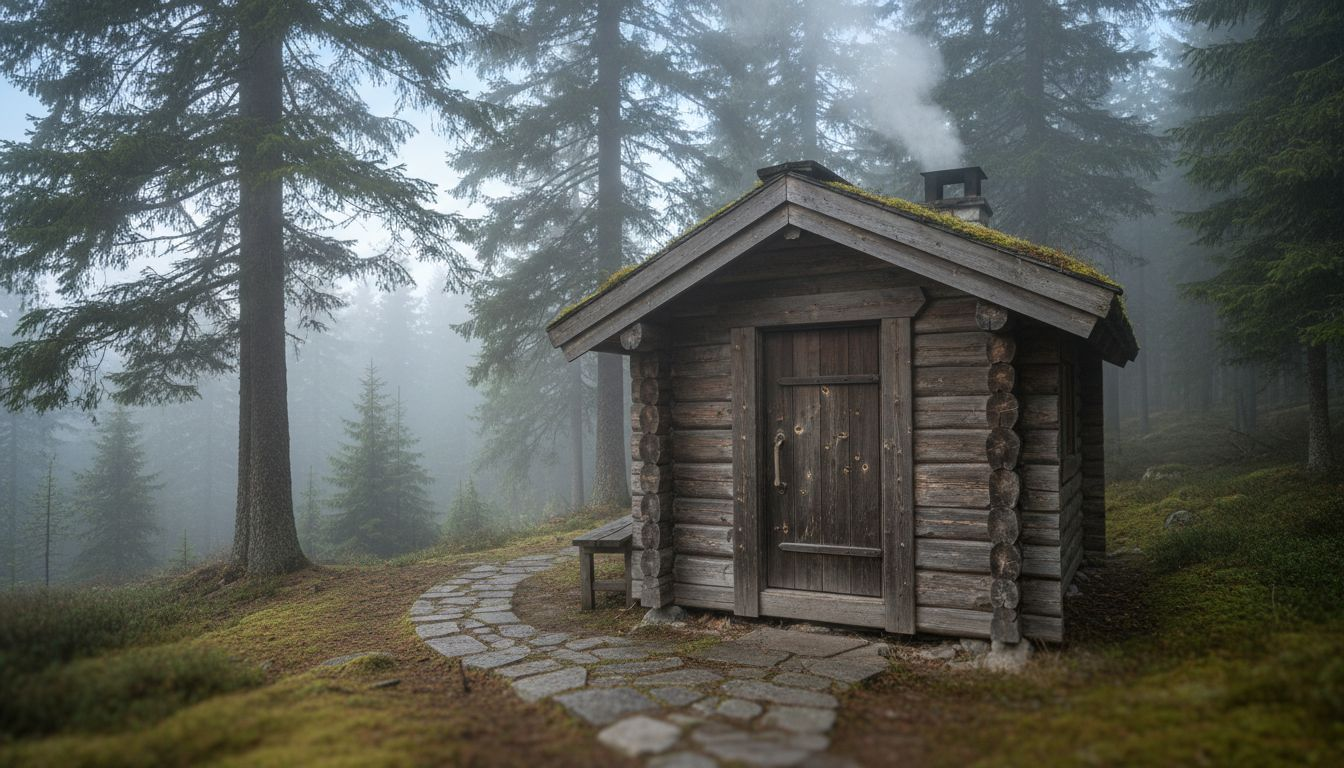
What Is a Timber Sauna and Why It Matters
Most American timber sauna designs overlook essential details that Central European homeowners value for vacation retreats. For those seeking a balance of relaxation, durability, and authentic craftsmanship, understanding how traditional wooden saunas are built matters more than ever. With nearly 40 percent of custom sauna projects facing delays due to poor material choices, this guide highlights proven construction principles and practical advice to help you secure the fastest, most reliable options from specialized manufacturers.
Table of Contents
- Timber Sauna Defined and Core Principles
- Types of Timber Sauna Constructions Explained
- Key Materials and Features of Timber Saunas
- Planning, Permits, and Custom Design Steps
- Costs, Benefits, and Common Pitfalls
Key Takeaways
| Point | Details |
|---|---|
| Timber Sauna Design Principles | Emphasize high-quality timber, effective thermal engineering, and strategic ventilation to enhance heat experience and user comfort. |
| Construction Methods | Choose between traditional log, timber frame, or modern mass timber approaches based on regional conditions, aesthetics, and suitability. |
| Material Selection | Prioritize materials such as Thermowood for stability and resistance in sauna environments to ensure long-term durability. |
| Financial Considerations | Understand both initial costs and ongoing maintenance to appreciate the tangible and intangible benefits of a timber sauna investment. |
Timber Sauna Defined and Core Principles
A timber sauna represents a traditional wooden wellness structure designed to provide intense heat and relaxation through carefully engineered architectural principles rooted in Finnish cultural heritage. Unlike standard heated rooms, timber saunas leverage natural wood materials and precise thermal engineering to create an immersive heat experience that supports both physical recovery and mental rejuvenation.
At its core, a timber sauna is characterized by several fundamental design principles that distinguish it from other bathing environments. These include wooden interior construction, specialized heat-retention capabilities, strategic ventilation systems, and a purposeful approach to temperature and humidity management. Finnish design principles for custom sauna construction emphasize using high-quality timber that can withstand extreme temperature variations while providing natural insulation and aesthetic warmth.
The essential components of a timber sauna typically include a robust wooden frame constructed from premium lumber, a specialized heating element (often a wood-burning or electric stove), carefully selected volcanic stones for heat distribution, and precise temperature controls. Wood selection plays a critical role – traditional Finnish designs prefer softwoods like spruce or pine that offer excellent thermal properties and create a pleasant aromatic environment. Temperature ranges generally fluctuate between 70 to 105 degrees Celsius, with humidity controlled through strategic steam generation by pouring water over heated stones.
Pro tip: When planning a timber sauna, prioritize wood quality and thermal engineering over decorative elements to ensure optimal heat performance and long-term structural integrity.
Types of Timber Sauna Constructions Explained
Timber sauna construction represents a nuanced architectural discipline with multiple distinctive approaches, each offering unique benefits for design, thermal performance, and aesthetic expression. Common sauna building materials play a critical role in determining the structure’s overall quality, durability, and heat retention capabilities.
Three primary timber sauna construction methods dominate contemporary design practices: traditional log construction, timber frame design, and modern mass timber approaches. Traditional log constructions emphasize rustic aesthetics using solid wood logs carefully fitted to create dense, heat-retentive walls. These structures typically utilize native softwoods like pine or spruce, providing excellent thermal insulation and a classic Finnish architectural aesthetic. Timber frame designs offer more architectural flexibility, utilizing a structural framework of vertical and horizontal timber elements that support lightweight wood cladding, allowing for more complex geometric configurations and easier customization.
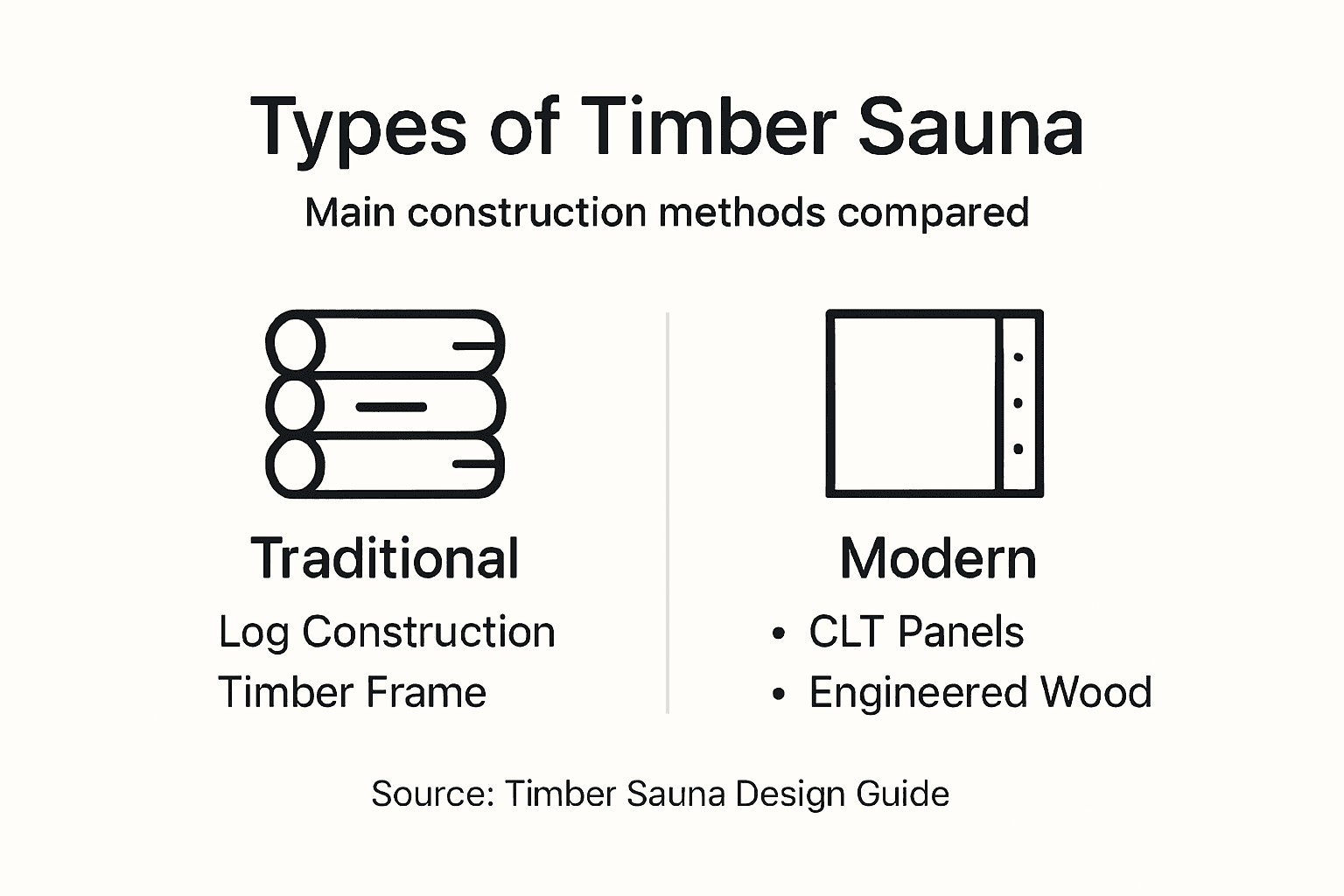
Modern mass timber techniques introduce advanced engineering approaches like Cross Laminated Timber (CLT), which create high-performance building envelopes with superior strength and thermal stability. These contemporary methods combine traditional woodworking principles with cutting-edge manufacturing technologies, enabling precise temperature control, enhanced structural integrity, and improved environmental sustainability. Each construction method prioritizes key architectural principles including airtightness, thermal mass management, and strategic integration of heating elements and interior spaces.
Here’s a comparison of main timber sauna construction methods and their impact:
| Construction Method | Design Flexibility | Typical Timber Used | Strength & Durability |
|---|---|---|---|
| Traditional Log | Limited, classic look | Pine or spruce | High, excellent insulation |
| Timber Frame | Highly customizable | Treated softwoods | Moderate, efficient assembly |
| Modern Mass Timber (CLT) | Advanced, innovative | Engineered softwoods | Superior, best thermal stability |
Pro tip: Select your timber sauna construction method based on local climate conditions, desired aesthetic, and long-term performance requirements to ensure optimal functionality and enjoyment.
Key Materials and Features of Timber Saunas
Timber saunas represent a sophisticated blend of architectural design and thermal engineering, with material selection serving as the cornerstone of their performance and durability. Essential log sauna building requirements highlight the critical importance of choosing materials that can withstand extreme temperature fluctuations while maintaining structural integrity and aesthetic appeal.
Primary timber materials for sauna construction include Thermowood, a specialized wood treatment that transforms Nordic softwoods like pine and spruce into high-performance building materials. This thermal modification process enhances wood stability, moisture resistance, and durability, making it ideal for sauna environments. The treatment involves heating wood to temperatures between 180 and 215 degrees Celsius, fundamentally changing its molecular structure to create a material with superior dimensional stability, reduced moisture absorption, and increased resistance to decay and insect damage.
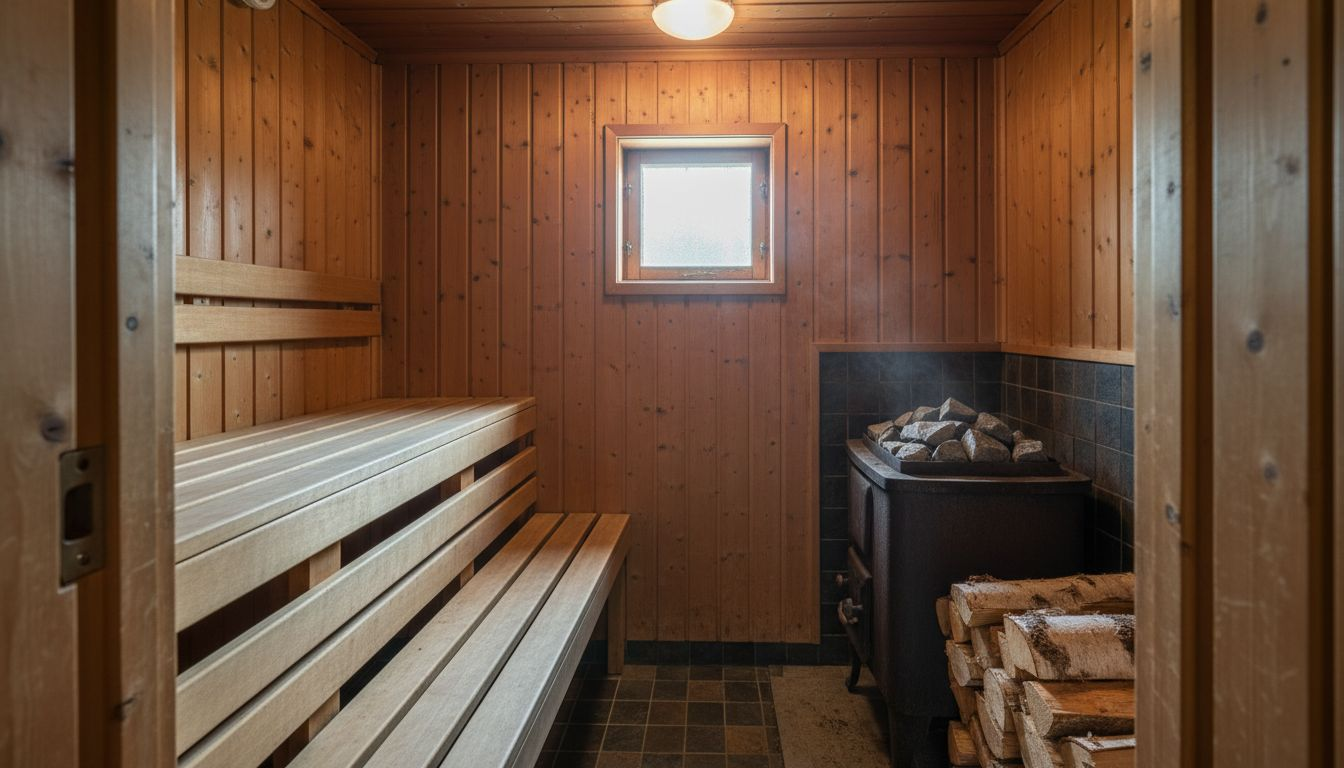
Key features of an exceptional timber sauna extend beyond material selection to include strategic design elements that optimize heat distribution, thermal retention, and user comfort. Critical components include precisely engineered benches, strategically placed heating elements, advanced ventilation systems, and carefully selected insulation materials. The interior typically incorporates heat-resistant woods like cedar, hemlock, or specially treated pine, which not only withstand high temperatures but also provide natural aromatics and aesthetic warmth. Exterior construction considers factors such as wind resistance, moisture protection, and thermal efficiency, often utilizing multiple layers of timber and specialized sealing techniques.
Pro tip: When selecting timber for your sauna, prioritize wood that has been specifically treated for high-temperature environments to ensure long-term performance and structural reliability.
Planning, Permits, and Custom Design Steps
Custom timber sauna design requires a strategic approach that balances architectural creativity, regulatory compliance, and functional performance. Sauna building permit processes play a critical role in ensuring that your project meets local building codes, zoning requirements, and environmental regulations specific to Central European construction standards.
The initial planning phase encompasses several key considerations that shape the entire sauna design trajectory. Preliminary design steps typically include comprehensive site assessment, which evaluates topographical features, proximity to existing structures, soil conditions, and potential environmental impact. Architects and designers must carefully analyze factors such as solar exposure, wind patterns, terrain slope, and access to utility connections. Site measurements become crucial, with most successful timber sauna projects requiring precise dimensional planning that accounts for thermal performance, structural integrity, and aesthetic integration with the surrounding landscape.
Permitting requirements vary significantly across different regional jurisdictions, necessitating a thorough understanding of local building regulations. Central European municipalities often impose strict guidelines regarding outdoor structures, particularly those near water bodies or in environmentally sensitive areas. Documentation requirements generally include detailed architectural drawings, structural calculations, material specifications, and environmental impact assessments. These submissions must demonstrate compliance with thermal efficiency standards, safety regulations, and sustainable construction practices. Advanced planning typically involves consultations with local building authorities, potentially requiring multiple iterations of design submissions to secure necessary approvals.
Pro tip: Engage a local architect familiar with regional building codes early in your planning process to streamline permit acquisition and avoid potential design modifications.
Costs, Benefits, and Common Pitfalls
Timber saunas represent a significant investment that demands careful financial and functional evaluation beyond initial construction expenses. Essential log sauna building considerations highlight the multifaceted nature of sauna development, encompassing both tangible and intangible returns on investment.
Financial considerations extend far beyond the initial construction budget, involving long-term operational expenses, maintenance requirements, and potential property value enhancement. A well-designed timber sauna typically ranges from $15,000 to $45,000, depending on size, material quality, and customization level. The primary cost drivers include premium timber selection, specialized heating equipment, foundation preparation, and professional installation. Ongoing expenses involve periodic wood treatment, potential repairs, and energy consumption for heating, which can fluctuate based on insulation quality and local energy prices.
Here’s a summary of cost factors and wellness returns of timber sauna installation:
| Cost Factor | Estimated Impact | Wellness Benefit | Maintenance Needs |
|---|---|---|---|
| Premium timber | High initial expense | Improves heat and air quality | Requires periodic treatment |
| Heating equipment | Moderate to high | Ensures consistent temperature | Regular inspection needed |
| Insulation quality | Lowers energy costs | Enhances comfort, better efficiency | Occasional upgrades needed |
| Professional installation | Reduces risks | Maximizes health benefits | Minimizes repairs |
The health and wellness benefits of timber saunas substantially offset their financial investment. These structures offer profound physiological advantages, including improved cardiovascular function, stress reduction, enhanced metabolic performance, and potential immune system stimulation. However, common pitfalls include inadequate ventilation, improper heat management, and substandard material selection that can compromise structural integrity and user experience. Potential risks encompass moisture-related wood degradation, uneven heating, and insufficient thermal efficiency, which can dramatically reduce the sauna’s long-term performance and user satisfaction.
Pro tip: Invest in high-quality, moisture-resistant timber and professional installation to minimize long-term maintenance costs and maximize your timber sauna’s performance and durability.
Experience the True Essence of Timber Saunas with Huvila Seppälä
Crafting a timber sauna that delivers optimal heat performance and lasting beauty requires expertise in wood selection, construction methods, and thermal engineering as highlighted in the article. If you are looking to overcome challenges like ensuring material quality, thermal stability, and achieving authentic Finnish design tailored to your needs, Huvila Seppälä offers proven solutions backed by over 65 years of experience. Their custom log houses and log frames and specialized sauna constructions use premium Finnish wood to ensure durability, superior insulation, and a genuine aroma that elevates wellness ritual.
Start your journey toward owning a perfect timber sauna today by exploring custom design options and detailed information on permits and project planning. Benefit from fast delivery and transparent pricing with no hidden costs. Visit Huvila Seppälä now and request a personalized offer to create your ideal sauna that balances traditional craftsmanship with modern performance.
Frequently Asked Questions
What is a timber sauna?
A timber sauna is a traditional wooden wellness structure designed to provide intense heat and relaxation through architectural principles rooted in Finnish culture. It typically utilizes natural wood materials and thermal engineering to create a unique heat experience.
What are the benefits of using a timber sauna?
Timber saunas offer several health benefits, including improved cardiovascular function, stress reduction, enhanced metabolic performance, and potential immune system stimulation. They also promote mental rejuvenation and physical recovery.
How is a timber sauna constructed?
A timber sauna can be constructed using various methods, including traditional log construction, timber frame designs, and modern mass timber approaches. Each method has its own aesthetic and performance benefits, with a focus on thermal efficiency and structural integrity.
What materials are best for building a timber sauna?
The best materials for a timber sauna include high-quality softwoods like spruce and pine, which offer excellent thermal properties. Thermowood, a heat-treated wood, is also recommended for its stability, moisture resistance, and durability in high-temperature environments.