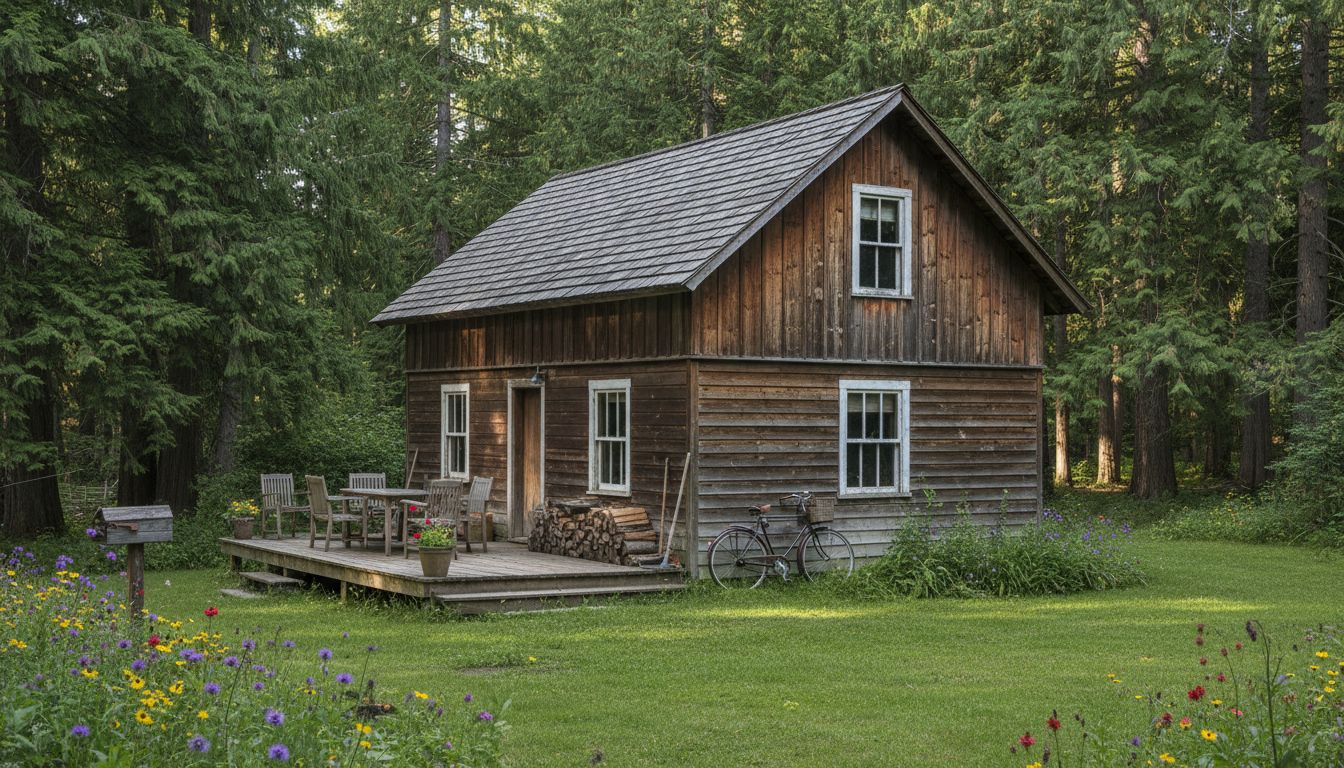
Benefits of Wooden Villas: Sustainable Living Choices
Choosing to build a custom wooden villa may feel challenging when so many myths still surround timber construction in Central Europe. Eco-conscious homeowners increasingly want homes that combine comfort, longevity, and environmental responsibility without sacrificing design or quality. By blending historic timber techniques proven to last for centuries with Finnish craftsmanship, you can create a sustainable retreat that breaks free from common misconceptions about durability and upkeep while supporting a healthier, wellness-focused lifestyle.
Table of Contents
- Wooden Villas Defined And Common Myths
- Major Types Of Wooden Villa Structures
- Health, Comfort, And Indoor Environment
- Environmental Impact And Energy Efficiency
- Cost Factors And Longevity Compared
- Legal Requirements In Central Europe
Key Takeaways
| Point | Details |
|---|---|
| Wooden villas combine aesthetics and sustainability | Crafted from timber, these structures prioritize harmony with nature, using modern engineering and traditional craftsmanship. |
| Myths about durability and maintenance are debunked | Wooden villas are strong, require minimal upkeep, and can withstand various environmental conditions. |
| Health benefits of wooden interiors are significant | Wood improves humidity control, acoustic comfort, and overall air quality, positively impacting occupant well-being. |
| Long-term economic advantages are notable | While initial costs may be higher, wooden villas offer reduced maintenance, energy savings, and extended lifespan, presenting a sound investment. |
Wooden Villas Defined and Common Myths
Wooden villas represent sophisticated residential structures crafted primarily from natural timber, blending architectural elegance with sustainable design principles. Unlike traditional housing models, these structures leverage the inherent strength and beauty of wood to create living spaces that harmonize with natural environments.
Historical research reveals that wooden architectural forms have deep cultural roots, challenging common misconceptions about wood’s durability and structural integrity. Finnish wood structures demonstrate remarkable longevity, with many timber buildings standing for centuries as testament to proper construction techniques.
Common myths about wooden villas often stem from misunderstandings about wood’s performance characteristics. Let’s debunk several prevalent misconceptions:
- Durability Myth: Wood is not inherently weak or short-lived
- Maintenance Misconception: Modern wooden structures require minimal upkeep
- Climate Limitation: Wooden villas can be engineered for diverse environmental conditions
- Aesthetic Stereotypes: Contemporary wooden architecture offers sophisticated design options
Timber construction represents a nuanced architectural approach that combines traditional craftsmanship with advanced engineering principles. Modern wooden villa designs incorporate sophisticated techniques like precise joinery, protective treatments, and strategic architectural planning to enhance structural performance.
Wooden villas are not just buildings—they are living expressions of sustainable design philosophy, connecting human habitation with natural ecosystems.
Pro tip: Research local building codes and climate-specific wood treatment options before selecting your wooden villa design to ensure optimal performance and longevity.
Major Types of Wooden Villa Structures
Wooden villa structures represent a diverse architectural landscape, encompassing multiple design approaches that blend traditional craftsmanship with modern engineering principles. Types of Finnish cottages reveal a rich architectural heritage that demonstrates the versatility of timber construction across different regional contexts.
Research identifies several primary wooden villa structural typologies that have evolved to meet specific environmental and aesthetic requirements:
- Log Cabin Structures: Traditional solid timber construction using interlocking logs
- Platform Frame Construction: Lightweight timber frame with modular panel assemblies
- Post-and-Beam Design: Robust structural framework using large timber elements
- Cross-Laminated Timber (CLT): Advanced engineered wood panels for multi-story configurations
- Hybrid Timber Systems: Combining wood with other materials for enhanced performance
Each structural approach offers unique advantages tailored to different climatic conditions and architectural preferences. Platform frame construction, for instance, provides exceptional thermal insulation and flexibility in design, while post-and-beam structures showcase remarkable strength and aesthetic elegance.
Here is a comparison of key wooden villa structural types and their most notable characteristics:
| Structural Type | Typical Climate Adaptation | Structural Strength | Design Flexibility |
|---|---|---|---|
| Log Cabin | Cold, temperate regions | High (solid logs) | Moderate |
| Platform Frame | Diverse (all climates) | Moderate | Very high |
| Post-and-Beam | Windy, seismic zones | Very high (large timbers) | Good |
| Cross-Laminated Timber | Urban, multi-story needs | Exceptional (engineered) | High |
| Hybrid Timber | Custom, mixed-climate settings | Enhanced (composite) | Very high |
Wooden villa structures are not merely buildings, but sophisticated architectural solutions that harmonize human habitation with natural environments.
Modern timber engineering has transformed traditional wooden construction techniques, introducing advanced technologies that enhance durability, energy efficiency, and structural integrity. These innovations allow architects and homeowners to create spaces that are both environmentally responsible and technologically sophisticated.
Pro tip: Consult regional building experts to determine the most appropriate wooden villa structural type for your specific climate and design requirements.
Health, Comfort, and Indoor Environment
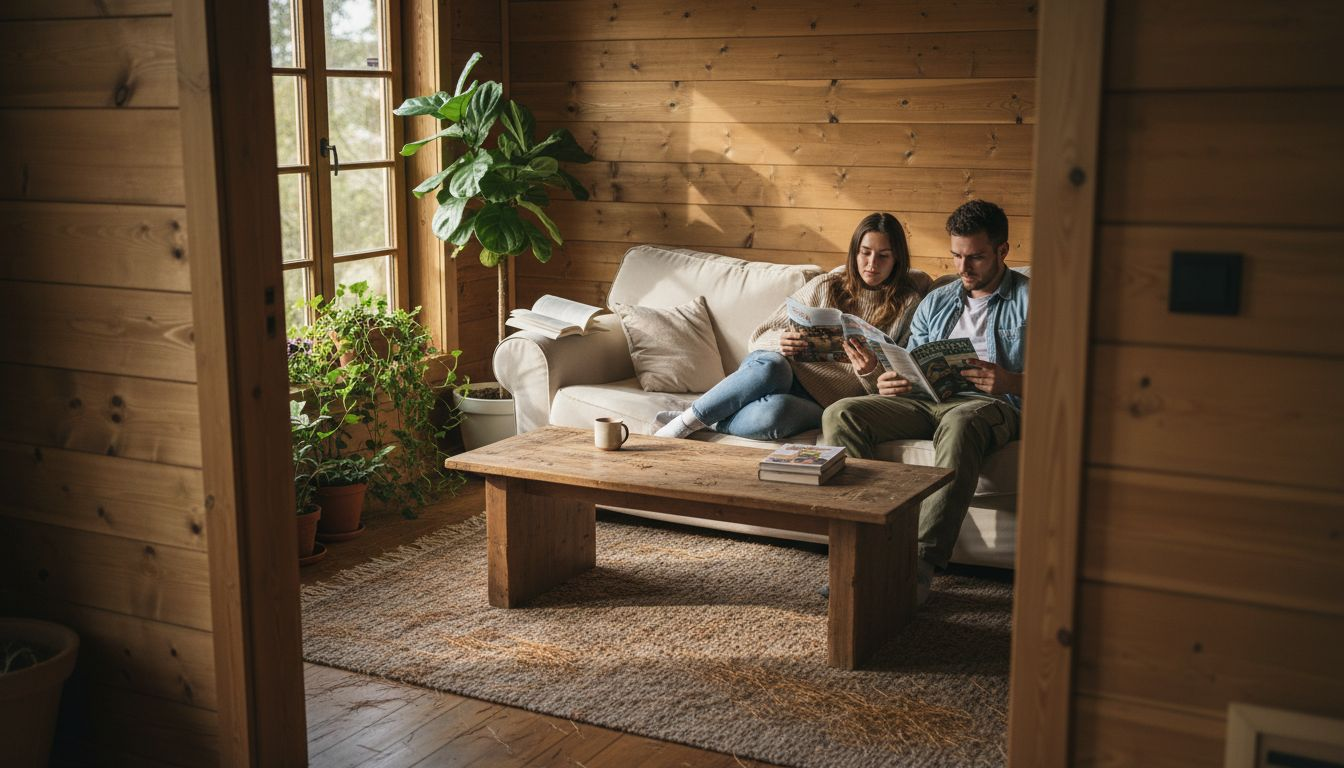
Wooden villas offer remarkable advantages in creating healthy, comfortable indoor environments that go far beyond traditional building materials. Building a Finnish Villa Tutorial highlights the intrinsic properties of wood that contribute to superior living spaces, transforming how we think about residential design and human wellbeing.
Research reveals several key health and comfort benefits of wooden interior environments:
- Natural Humidity Regulation: Wood naturally absorbs and releases moisture, maintaining optimal indoor humidity levels
- Acoustic Comfort: Timber structures provide excellent sound absorption and noise reduction
- Psychological Wellness: Exposure to wood surfaces has demonstrated positive mental health impacts
- Air Quality Improvement: Wooden materials can help filter and moderate indoor air pollutants
- Temperature Stability: Wood provides superior thermal insulation compared to many synthetic materials
Scientific studies have consistently demonstrated the remarkable impact of wooden interiors on human physiological and psychological conditions. Volatile organic compound (VOC) emissions decrease significantly over time in timber structures, creating progressively healthier living environments that actively support occupant wellness.
Wood is not just a building material—it’s a living, breathing element that contributes to human health and environmental harmony.
Modern timber engineering has refined these natural advantages, developing construction techniques that maximize wood’s inherent health-promoting characteristics. Advanced ventilation systems combined with carefully selected timber materials can create indoor environments that actively support respiratory health, mental clarity, and overall well-being.
Pro tip: Prioritize wood species and treatments known for low emissions and high air-purifying qualities when designing your wooden villa’s interior spaces.
Environmental Impact and Energy Efficiency
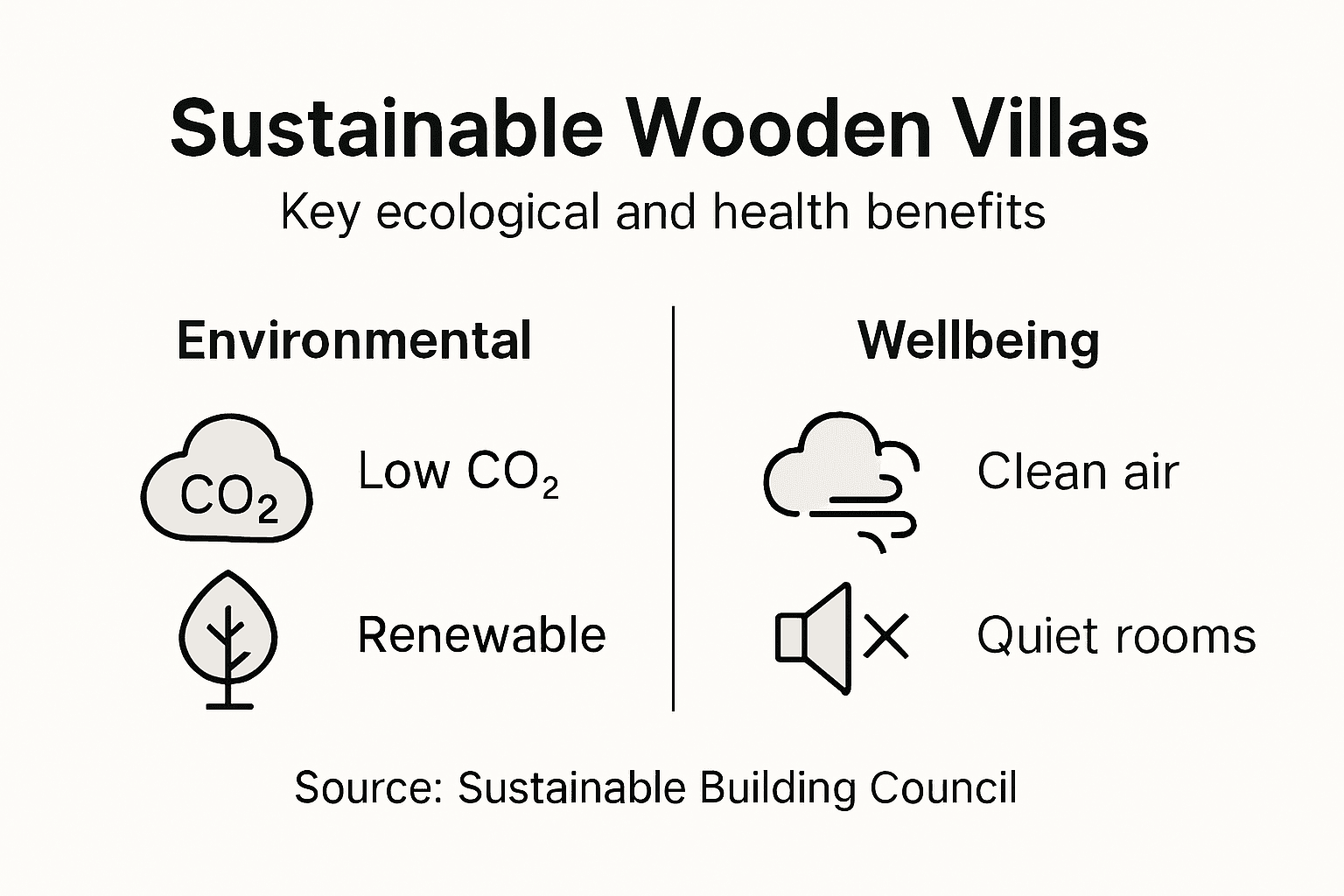
Wooden villas represent a groundbreaking approach to sustainable living, offering significant environmental advantages that extend far beyond traditional construction methods. Energy efficiency in log houses demonstrates how strategic timber construction can dramatically reduce carbon footprints and enhance overall ecological performance.
Key environmental benefits of wooden villa construction include:
- Low Carbon Footprint: Timber requires less energy to produce compared to concrete or steel
- Carbon Sequestration: Wood actively stores carbon throughout its lifecycle
- Renewable Resource: Responsibly sourced timber represents a sustainable building material
- Thermal Efficiency: Superior insulation properties reduce long-term energy consumption
- Minimal Waste Production: Timber construction generates less construction waste
Research consistently demonstrates that wooden buildings in Central Europe significantly outperform traditional structures in energy efficiency. Comparative studies reveal timber constructions consume substantially less embodied energy during manufacturing and maintain superior thermal performance throughout their operational lifecycle.
Wooden villas are not just buildings—they are living solutions that harmonize human needs with environmental sustainability.
Advanced timber engineering techniques continue to push boundaries in ecological construction, developing innovative approaches that minimize environmental impact while maximizing structural integrity and energy conservation. These technological advancements transform wooden villas from simple shelter into sophisticated, environmentally responsible living spaces.
Pro tip: Prioritize locally sourced timber and work with architects specializing in sustainable design to maximize your wooden villa’s environmental performance.
Cost Factors and Longevity Compared
Wooden villas present a compelling economic proposition that extends far beyond initial construction expenses, offering long-term value through superior durability and sustainable design. Building a Finnish Villa Tutorial provides insights into the nuanced financial considerations that make timber structures an intelligent investment.
Key economic advantages of wooden villa construction include:
- Extended Lifespan: Properly maintained wooden structures can last over 100 years
- Lower Maintenance Costs: Timber buildings require less frequent repairs
- Energy Efficiency Savings: Reduced heating and cooling expenses
- Minimal Depreciation: Wood maintains structural and aesthetic value over time
- Flexible Renovation Potential: Easier to modify and adapt compared to concrete structures
Research indicates that while initial construction costs for wooden villas might be slightly higher than traditional methods, the long-term financial benefits significantly outweigh these upfront investments. Life cycle cost analyses demonstrate substantial economic advantages through reduced energy consumption, minimal maintenance requirements, and exceptional durability.
Investing in a wooden villa is not an expense—it’s a generational financial strategy that pays dividends through sustainability and performance.
Advanced timber engineering techniques continue to reduce construction complexities, making wooden villas increasingly cost-competitive. Modern design approaches leverage sophisticated materials like laminated veneer lumber (LVL) to optimize structural performance while maintaining economic efficiency.
Below is a summary of how wooden villas compare to traditional concrete and steel homes on key sustainability and economic factors:
| Criterion | Wooden Villas | Concrete/Steel Homes |
|---|---|---|
| Carbon Footprint | Low | High |
| Energy Efficiency | Superior insulation | Average insulation |
| Upfront Construction Cost | Slightly higher | Slightly lower |
| Lifespan (with upkeep) | Over 100 years | 60–120 years |
| Maintenance Needs | Infrequent | Periodic major repairs |
Pro tip: Consult financial advisors specializing in sustainable construction to develop a comprehensive cost-benefit analysis for your wooden villa project.
Legal Requirements in Central Europe
Navigating the complex legal landscape of wooden villa construction in Central Europe requires a comprehensive understanding of regional building regulations and European Union directives. Types of Finnish Cottages provides essential insights into the regulatory nuances that govern timber structure development across different jurisdictions.
Key legal considerations for wooden villa construction include:
- Building Permit Requirements: Detailed documentation and compliance checks
- Energy Performance Standards: Minimum efficiency ratings for new constructions
- Fire Safety Regulations: Stringent timber structure fire resistance protocols
- Structural Stability Certifications: Engineering assessments and load-bearing specifications
- Environmental Compliance: Adherence to sustainable construction guidelines
The European Union’s legislative framework, including the Green Deal and European Climate Law, significantly influences wooden villa construction standards. Each Central European country implements national building regulations that interpret these overarching policies, creating a complex but structured approach to timber-based residential development.
Legal compliance is not a burden, but a pathway to creating safer, more sustainable living environments.
Modern wooden villa projects must navigate a sophisticated regulatory landscape that balances historical craftsmanship with contemporary safety and environmental standards. This involves comprehensive assessments of structural integrity, energy performance, and ecological impact across multiple governmental jurisdictions.
Pro tip: Engage a local architectural consultant specializing in wooden construction to ensure complete compliance with regional building codes and EU directives.
Discover the Lasting Benefits of Custom Wooden Villas for Sustainable Living
Choosing a wooden villa is about more than just a home—it is embracing a lifestyle that blends durability, energy efficiency, and natural beauty. If you seek a residence that offers exceptional health benefits, superior insulation, and timeless Finnish craftsmanship, you understand the importance of selecting the right partner for your project. Huvila Seppälä, with over 65 years of expertise in manufacturing custom timber frames and log villas, transforms these goals into reality using authentic Finnish wood.
Start your journey toward a sustainable wooden villa today by exploring our full range of custom timber products. Benefit from our transparent quotations, fast delivery times, and personalized designs tailored to your needs. Visit Huvila Seppälä now and request your custom offer. Your sustainable dream home is just a click away.
Frequently Asked Questions
What are the main advantages of living in a wooden villa?
Wooden villas offer numerous benefits including excellent thermal insulation, natural humidity regulation, and positive psychological impacts from exposure to wooden surfaces, all contributing to a comfortable and healthy indoor environment.
How do wooden villas compare to traditional concrete or steel homes in terms of sustainability?
Wooden villas generally have a lower carbon footprint, superior energy efficiency, and minimal waste production during construction compared to concrete or steel homes, making them a more sustainable living option.
What types of wood structures are commonly used in wooden villa construction?
Common types of wood structures include log cabins, platform frame construction, post-and-beam designs, cross-laminated timber (CLT), and hybrid timber systems, each offering unique benefits based on design flexibility and climate adaptation.
How long can a well-maintained wooden villa last?
A properly maintained wooden villa can last over 100 years, making it a durable investment that provides long-term value through lower maintenance needs and energy efficiency savings.
Recommended
- What Is a Cottage Villa and Why It Matters – Huvila Seppälä
- 7 Examples of Finnish Wood Structures for Vacation Homes – Huvila Seppälä
- 7 Types of Finnish Cottages Every Homeowner Should Know – Huvila Seppälä
- Building a Finnish Villa Tutorial: Step-by-Step Guide to Success – Huvila Seppälä